A dental implant equipment quote can appear complete while leaving the buyer unable to compare it with another offer. One supplier may quote a powered unit, another may quote the main unit plus a handpiece and accessories, and a third may use a broad “implant package” description without identifying the included configuration. Comparing only the final amount can therefore hide scope gaps that later become change orders, compatibility questions or incomplete handover records.
This worksheet is for clinic owners, distributors, procurement teams and project coordinators comparing supplier quotations. It focuses on commercial and technical scope control. It does not recommend implant systems, surgical settings or clinical techniques. Those decisions require the exact model instructions and appropriately qualified professionals.
Quick answer: compare the quotation line by line
Convert every proposal into the same row structure before choosing a supplier. Record the exact model, equipment role, included handpieces and accessories, required interfaces, document pack, electrical version, packaging, service boundary and stated exclusions. Mark any unconfirmed item as “open” rather than assuming it is included. A lower total is meaningful only when the compared scopes are genuinely equivalent.
Start with the equipment role, not the product label
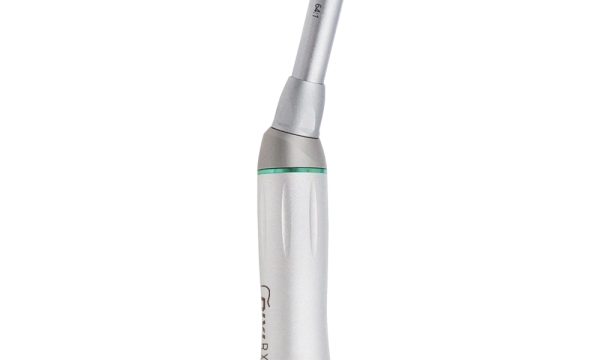
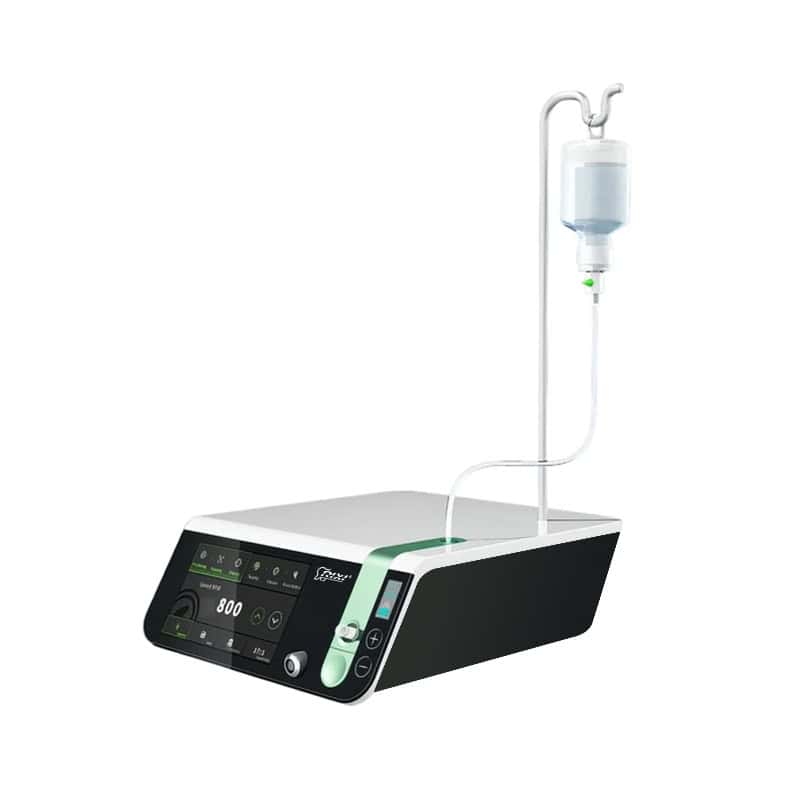
“Implant equipment” may describe several different product families. The RIXI Medical catalog, for example, lists an electric dental implant torque wrench, a dental implant motor system with an irrigation pump, and a dental piezo surgery unit with an LED touch panel. These are not interchangeable line items merely because they may appear in the same project.
For each quoted device, state its intended equipment role in neutral procurement language. Then ask the supplier to identify the exact model and current configuration. If two quotations use different product families, show them on separate rows rather than forcing them into a single price comparison.
Build a normalized quote-comparison sheet
A normalized sheet makes omissions visible. Copy information from the supplier quotation and attached technical documents; do not complete missing fields from memory or a similar model. The following structure works for a single clinic purchase, a distributor assortment review or a multi-room project.
| Comparison field | What to record | Reason for review |
|---|---|---|
| Product identity | Exact name, model code and revision or variant | Prevents a family name from replacing a sellable configuration |
| Core unit | Main console, controller or powered unit included | Separates a complete system from a partial quotation |
| Working components | Handpiece, cable, foot control, irrigation parts or other listed items | Shows what can be checked at receiving |
| Interfaces | Documented connections and required matching equipment | Flags dependencies that need technical confirmation |
| Power version | Quoted electrical version and supplied plug or adapter details | Supports site and destination review |
| Documents | Specification, instructions, packing list and applicable processing information | Defines the handover pack |
| Commercial basis | Currency, quantity, quotation validity, delivery basis and exclusions | Makes totals comparable without inventing missing costs |
| Support boundary | Supplier contact, evidence required and qualified-service responsibilities | Clarifies escalation after delivery |
Separate included items from compatible items
An item described as compatible is not necessarily included. A supplier may identify a handpiece, driver, irrigation component or cable that can work with the proposed unit but quote it separately. Create three columns: included, optional and buyer-supplied. Require an orderable reference for each optional component that the project depends on.
Compatibility also needs a defined boundary. Ask which exact connection or system was reviewed, which evidence supports the statement and whether an adapter is required. Do not treat a shared ratio, similar connector shape or catalog photograph as proof. The existing implant instrument compatibility guide covers that technical review in more detail; the quotation sheet should record the resulting approved configuration rather than repeat the full analysis.
Compare accessories and quantities as controlled line items
Accessories should be named and counted. “Standard accessories included” is difficult to audit when the cartons arrive. Ask for a packing schedule that lists the quantity of each handpiece, cable, foot control, irrigation component, holder, charger, driver or other supplied item relevant to the exact model. If a component is reusable, single-use or locally sourced, the quotation should make that distinction clear without making clinical-use decisions for the buyer.
For a project containing several units, record whether accessories are supplied per unit or per order. A shared item can be acceptable when intentionally approved, but it should not become a surprise during commissioning. The receiving inspection checklist can then use the same line-item references when the shipment arrives.

Score document and handover scope separately
Product price and document quality are different decision areas. Request the current specification, model-linked instructions, packing list, accessory schedule and support route. When processing information is relevant, it must come from the current instructions for the exact supplied component. Requirements vary by destination, so the buyer should also have locally qualified personnel review applicable regulatory, electrical and installation obligations.
Use a simple status for each required record: supplied, promised with an owner and date, not applicable with a reason, or missing. The implant equipment documentation guide explains how to control model identity and document revisions after selection.
Make commercial assumptions visible
Two totals cannot be compared until their basis is clear. Record the quoted currency, quantity, unit of sale, packing basis, delivery term, validity period and stated exclusions. If freight, destination charges, installation, training, consumables or local services are not quoted, show them as exclusions or open items. Do not insert an estimated figure into the supplier’s total unless the estimate is clearly separated and owned by the buyer.
For distributors, keep sample, private-label and production-order assumptions in separate columns. Artwork, packaging language, document translation, minimum order quantities and repeat-order change control can affect the commercial scope, but they should be confirmed for the actual project. The implant instrument OEM sourcing guide provides the related sample and branding workflow.
Use a controlled decision and clarification log
Give every unanswered question an owner, due date and status. Send one consolidated clarification list rather than resolving critical points through scattered chat messages. When the supplier returns a revision, retain the previous version and highlight changed models, quantities, accessories and exclusions.
Before approval, confirm that the selected quote matches the technical review, the planned room and storage arrangements, and the receiving criteria. After delivery, the dental implant equipment commissioning checklist can carry the approved baseline into project handover.
Final buyer checklist
- Every product family has an exact model and configuration.
- Included, optional and buyer-supplied items are separated.
- Accessory quantities are listed per unit or per order.
- Interfaces and dependencies have written evidence or remain open.
- Electrical version and destination review responsibilities are identified.
- Documents, packaging and support scope are stated.
- Currency, quantity, delivery basis, validity and exclusions are visible.
- The final approved revision is retained for receiving and commissioning.
Frequently asked questions
Should buyers compare only the total price?
No. Compare the same equipment scope first. A total that excludes a required handpiece, accessory, document, service or delivery element is not equivalent to a more complete quotation.
What if the supplier uses only a broad package name?
Request a line-item breakdown with exact models, quantities, included components and exclusions. Keep the package name for commercial convenience, but do not use it as the technical identity.
Can an optional compatible accessory remain outside the quote?
Yes, if the buyer intentionally excludes it and the dependency is documented. Mark it as optional or buyer-supplied so receiving and commissioning teams do not expect it in the shipment.
Who should approve the final comparison?
Commercial, technical and site responsibilities may belong to different people. Procurement can control the quotation, while qualified professionals review clinical suitability, installation, electrical work and destination requirements.
Scope note: This guide provides general supplier-side procurement controls. Confirm exact specifications, interfaces, included items and current instructions with the supplier, and consult locally qualified professionals before purchase, installation or clinical use.
RIXI Medical is a dental equipment manufacturer and supplier based in Foshan, China. Buyers comparing a defined implant-equipment package can request a model-linked quotation and specification set for technical and commercial review.
Need Dental Equipment Pricing or Configuration Details?
Contact RIXI Medical for model comparison, distributor pricing, packaging information, OEM/ODM requirements and after-sales support.
Request Product Information