From CAD review
to the factory floor.
Dental chair R&D becomes tangible in the details: a three-dimensional model on screen, a drawing under review and components prepared for assembly. These photographs from RIXI Medical show the people and working environments behind our dental equipment development and manufacturing in Foshan, China.
For distributors, clinic project buyers and OEM/ODM partners, the next step is a defined technical conversation. Connect the desired configuration to drawings, component references and an approved sample before releasing an order.
See the design
before discussing the build.
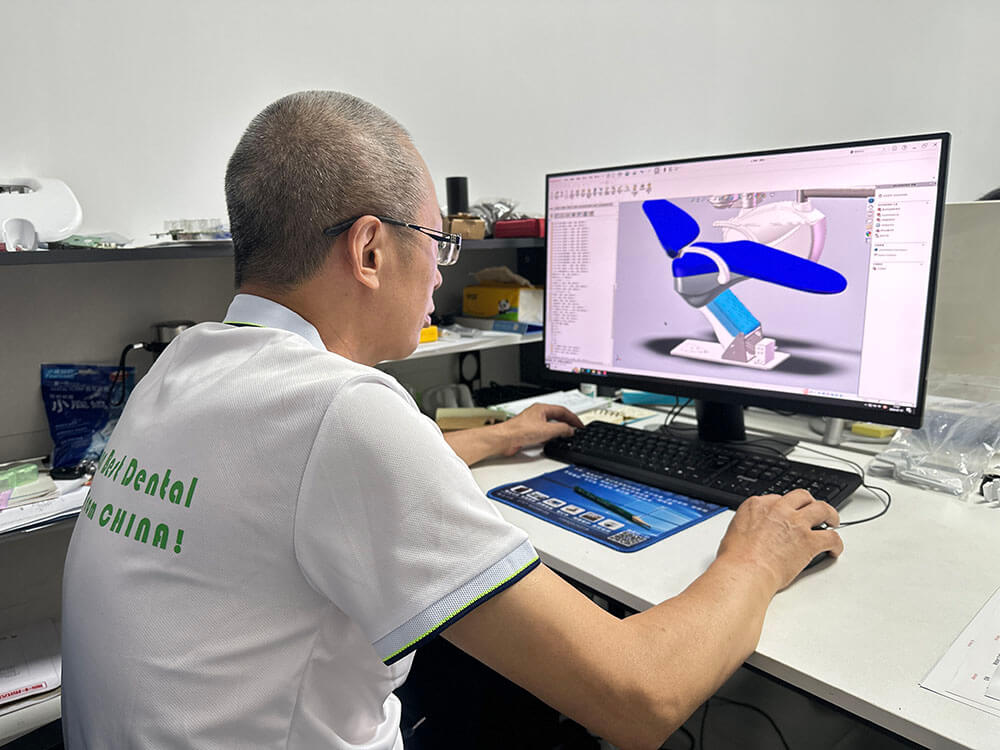
Three-dimensional dental chair models bring structure and component arrangement into the development discussion. RIXI’s CAD workstation provides a practical setting for reviewing the equipment configuration a buyer needs.
For an OEM dental chair project, request the available layout drawing, proposed mounting interfaces and a written list of changes. Confirm which details are standard, optional or subject to engineering review.
Explore the dental chair range →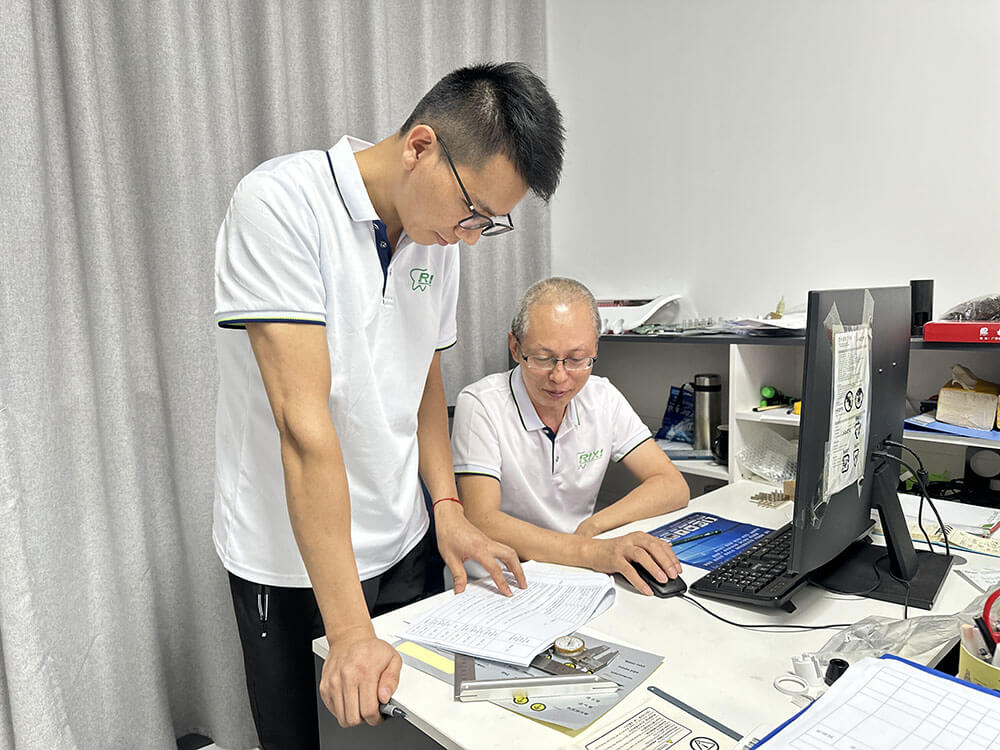
Bring drawings and components into one discussion.
Technical paperwork and physical components belong in the same engineering conversation. Our team’s drawing review helps frame a development enquiry around the exact model, the required change and the interface it affects.
Buyer checkpoint: ask for the drawing revision, open questions and person responsible for approving the proposed configuration.
Make critical dimensions explicit.
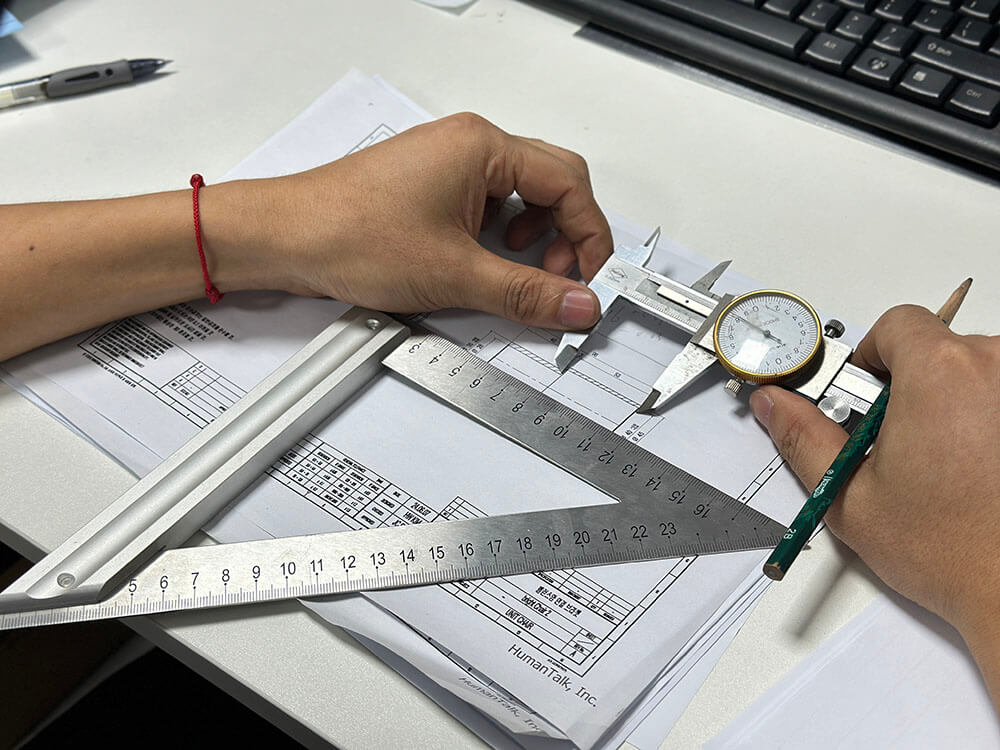
Dimensional review connects a component drawing with the details needed for manufacturing and fit. For project acceptance, define the relevant drawing, tolerances, measurement method and recorded results.
Buyer checkpoint: specify which dimensions matter for fit, mounting or replacement. Request the corresponding dimensional record for the component being evaluated.
Development decisions
meet production realities.
Frames, complete units and export packaging are different parts of the supply process. Together, these stages connect manufacturability, configuration consistency and shipment planning with the equipment specification.
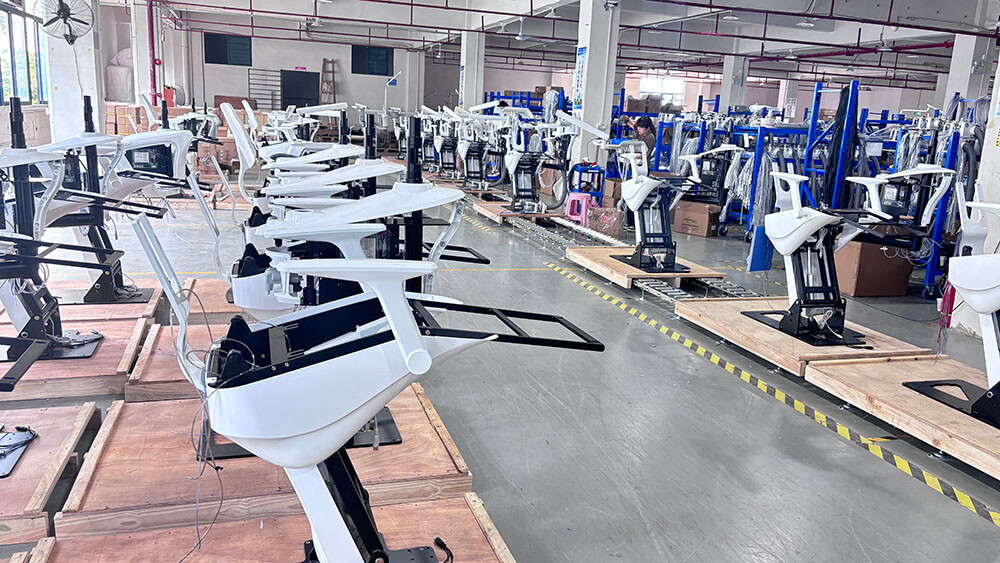
Chair frame assembly
Chair structures and components are arranged across the workshop. Discuss frame configuration, assembly interfaces and access to serviceable components when reviewing a proposed model.

Complete unit configuration
Dental units with different upholstery colours are shown on the production floor. Define the selected colour reference, delivery system, light and included accessories in the order record.

Packing and dispatch
Wooden crates and container loading show the shipping stage. Request the packing arrangement, dimensions, handling information and destination-specific documentation for the actual shipment.
Turn your requirements into a reviewable equipment specification.
Start with a product such as the R1 dental chair unit, then identify the changes or options you want to discuss. Available development scope must be confirmed for the particular model and project.
- Configuration: model, upholstery, delivery format, light, controls and accessories.
- Interfaces: room layout, mounting dimensions, power, water, air and service access.
- Approval: drawing revisions, sample comments and the agreed configuration record.
- Handover: labels, manuals, part references, packing and technical support route.
Technical references for an informed discussion
For background on digital product development, see the official SOLIDWORKS 3D CAD overview. For stationary dental units and patient chairs, buyers can consult the published scope of ISO 7494-1 and ask qualified professionals which requirements apply to their project. These references provide context; they do not establish RIXI software licensing, product certification or conformity.
A closer look at
the supporting documents.
Technical confidence comes from matching the document to the product. Use this company document display as a starting point, then request readable, current copies relevant to the model and destination you are reviewing.

Identify the scope
Confirm the legal manufacturer, exact model and activities covered. A company or supplier document serves a different purpose from product-specific documentation.
Check the current version
Request legible copies with references, dates and scope. Have the relevant issuing body or qualified destination-side adviser check details when needed.
Connect records to the order
Keep approved specifications, sample comments and document revisions with the purchase record. See how quality-control review supports the discussion.
Before starting an OEM or distributor project
What should I send for a development discussion?
Share the intended equipment models, target market, configuration preferences, room constraints and branding needs. Identify which requirements are essential and which remain open for review.
Does every pictured feature apply to every dental chair?
No. Features, interfaces and accessories vary by model and ordered configuration. Confirm the current specification and approved sample for the exact unit.
Can the certificate display confirm suitability for my market?
The display is an overview. Request current product-specific documents and have locally qualified professionals confirm the requirements for your destination and intended use.