A delivery can match the purchase order and still be unready for project handover. Dental implant equipment commissioning is the controlled step between receiving the cartons and releasing installed equipment to the clinic. It confirms that the identified models, accessories, placement, interfaces, documents and open defects agree with the approved project scope.
This guide is for clinic owners, distributors, procurement teams and project coordinators. It does not prescribe surgical settings or validate clinical performance. Model-specific functional checks must follow the current supplier instructions, while electrical work, installation and local compliance decisions belong to appropriately qualified professionals.
Separate receiving, commissioning and clinical validation
These three controls answer different questions. A receiving inspection confirms what arrived and records visible shipping condition. Commissioning confirms that the delivered equipment has been assembled or placed as intended, connected by qualified personnel where required, and supported by the agreed accessories and documents. Clinical validation determines whether the complete clinical system is suitable for its intended use; that decision is outside a supplier-side procurement checklist.
Keeping the stages separate prevents a signed delivery note from being mistaken for project acceptance. It also gives the buyer a clear route for resolving a missing accessory, damaged component, unresolved interface or incomplete document before the final handover is closed.
Freeze the acceptance baseline before opening the punch list
Begin with the approved quotation, model list, configuration sheet, packing list, drawings and any written changes. Photographs and informal chat messages can support the record, but they should not replace the controlled product identity. If a requested change was never added to the approved scope, record it as a change request rather than treating it as a shipment defect.
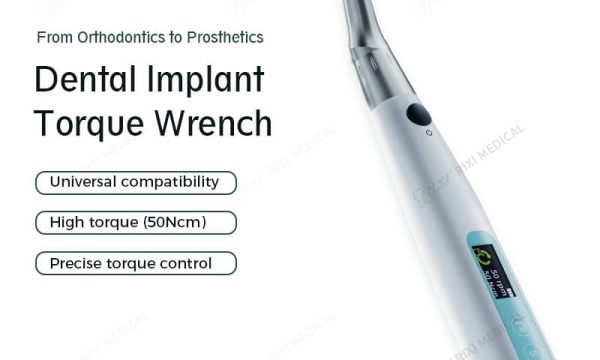
RIXI Medical recommends giving every powered unit and major instrument a line in the commissioning register. For a product such as an electric dental implant torque wrench, the record should identify the exact model, supplied accessories, serial or batch information when present, applicable instructions and the person responsible for checking the item. Do not copy operating limits from a related model.

Build a commissioning register that can be audited
| Control point | Evidence to retain | Close only when |
|---|---|---|
| Product identity | Model label, order line, serial or batch reference when available | The physical item matches the approved configuration |
| Accessories | Checked packing list and photographs of included items | Included and optional items are clearly distinguished |
| Placement | Room or trolley location and service-access photograph | The item is stable, accessible and not blocking required clearances |
| Interfaces | Approved connection information and installer record | Every unresolved compatibility question has an owner |
| Documents | Current instructions, maintenance information and warranty or support route | The team knows which document applies to each model |
| Defects | Numbered issue, photograph, severity, owner and target resolution | Closure evidence is attached and accepted |
A simple spreadsheet can be sufficient if its revision is controlled. Use one row per item and one issue number per defect. Avoid a single note such as “implant room incomplete”; it does not tell the supplier, installer or buyer which item is affected or what evidence will close it.
Verify placement and service access before functional checks
Powered implant equipment may be used on a mobile trolley, countertop or designated equipment surface. Confirm that the proposed position supports stable placement, cable routing, irrigation accessories and routine access without creating pinch points or forcing connectors against walls. Keep the current model instructions available because ventilation, environmental and clearance requirements vary by model.
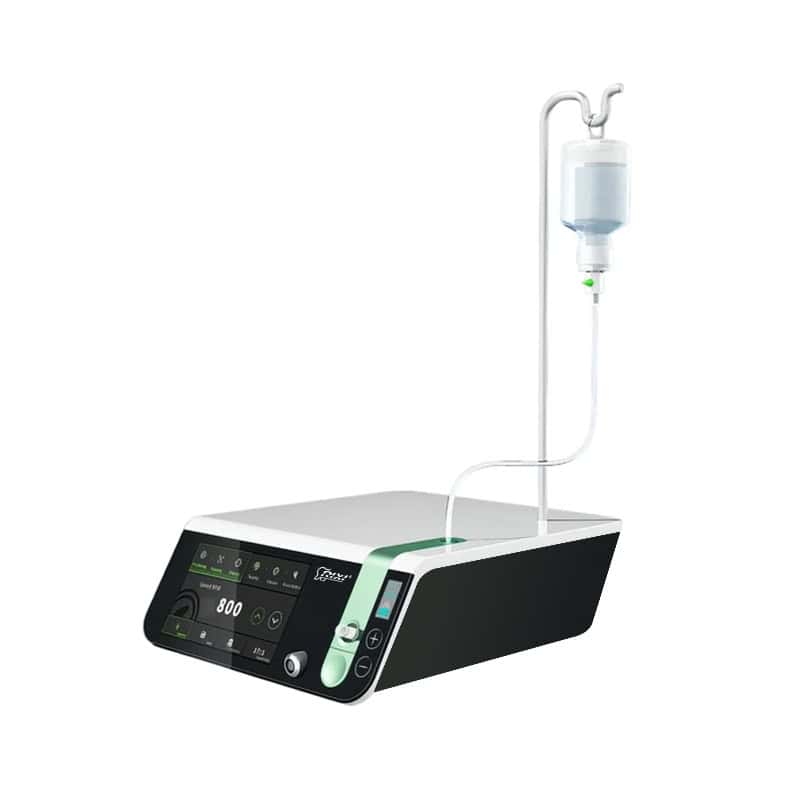
For an implant motor system with an irrigation pump, the project record should show where the controller, foot control, handpiece cable and irrigation components will be stored and connected. The buyer should also identify who is authorized to connect power and verify the destination-market electrical arrangement. Do not improvise adapters or assume that a familiar plug proves system compatibility.
Run only documented, non-clinical functional checks
The commissioning team should follow the exact supplier procedure for the model. Typical non-clinical checks may include confirming that the display powers on, controls respond, supplied accessories are recognized and visible error messages are absent. Whether a particular test is appropriate depends on the product instructions and the qualifications of the person performing it.
Do not use commissioning to invent a treatment simulation or copy a setting from another device. If the required verification needs a test accessory, specialist instrument or trained technician that is not present, keep the line open. Record “not tested—required resource unavailable” and assign the next action. A transparent open item is safer and easier to resolve than an unsupported pass.
Control compatibility questions instead of guessing
Terms such as “20:1,” “implant motor” or “torque wrench” are not complete compatibility statements. Record the exact connected components and the evidence used to approve their combination. The surgical versus high-speed handpiece buyer guide explains why speed labels and product-family names cannot establish interchangeability.
Distributors managing multiple similar variants should also link the commissioning record to a controlled commercial code. The implant handpiece distributor SKU matrix provides a method for separating LED and non-LED configurations, packing lists and repeat-order evidence.
Use a numbered punch list with clear closure rules
Classify each open item by its effect on project acceptance. A missing label photograph may be a documentation gap; a missing required accessory may block the affected equipment line; visible shipping damage may require quarantine and supplier review. The buyer should define the classification method and responsible approver before the list grows.
- Describe the observed condition without diagnosing a cause that has not been confirmed.
- Name the exact model and asset or package reference.
- Attach a clear overview and close-up photograph when useful.
- Assign one owner, one next action and a target review date.
- Retain the supplier response and the buyer’s closure evidence.
- Do not close an item because a replacement was promised; close it after the agreed evidence is received and checked.
Close the project with a handover pack
The final handover pack should connect each commissioned item to its approved configuration, instructions, accessory list, open-or-closed issue status and service contact. It can reference the broader dental implant equipment planning and clinic handover guide for room workflow and responsibility planning. For product discovery, keep the current dental implant equipment category separate from the project record; a catalog page does not replace model-specific evidence.
Scope note: General procurement and project-handover guidance applies broadly. Exact connections, test steps, maintenance intervals, operating limits and supplied accessories are model-specific and must be confirmed with the supplier. Installation and destination-market requirements vary and should be reviewed by locally qualified professionals.
Frequently asked questions
Is receiving inspection the same as commissioning?
No. Receiving inspection records identity, quantity, visible condition and shipment discrepancies. Commissioning checks the approved installed or placed configuration, documented interfaces, non-clinical functions and handover evidence.
Who should sign the commissioning record?
The buyer should define responsible signatories for procurement, installation and end-user handover. A supplier representative can provide product evidence, but should not sign for work or regulatory decisions outside that role.
Can a product pass when one accessory is missing?
Only the buyer’s approved acceptance rules can decide that. Keep the affected line open, identify whether the missing item blocks safe verification or intended use, and document the agreed resolution.
Should clinical settings be included in the punch list?
This checklist does not prescribe clinical settings. Model instructions and appropriately qualified professionals should govern clinical configuration and validation.
Need a model-specific commissioning pack? RIXI Medical is a dental equipment manufacturer and supplier based in Foshan, China. Request current specifications, packing details and technical drawings for the exact equipment configuration in your project.
Need Dental Equipment Pricing or Configuration Details?
Contact RIXI Medical for model comparison, distributor pricing, packaging information, OEM/ODM requirements and after-sales support.
Request Product Information