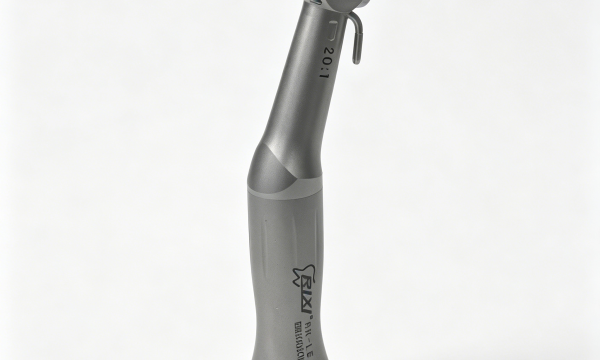
Private-label and custom dental implant instruments should not be approved from a product photo or a short quotation. A dependable OEM project needs a controlled specification, a representative sample, agreed labeling and packaging, and a written method for managing later changes. This guide is for distributors, procurement teams and clinic groups preparing a repeatable sourcing program. It does not replace model-specific instructions or local regulatory review.
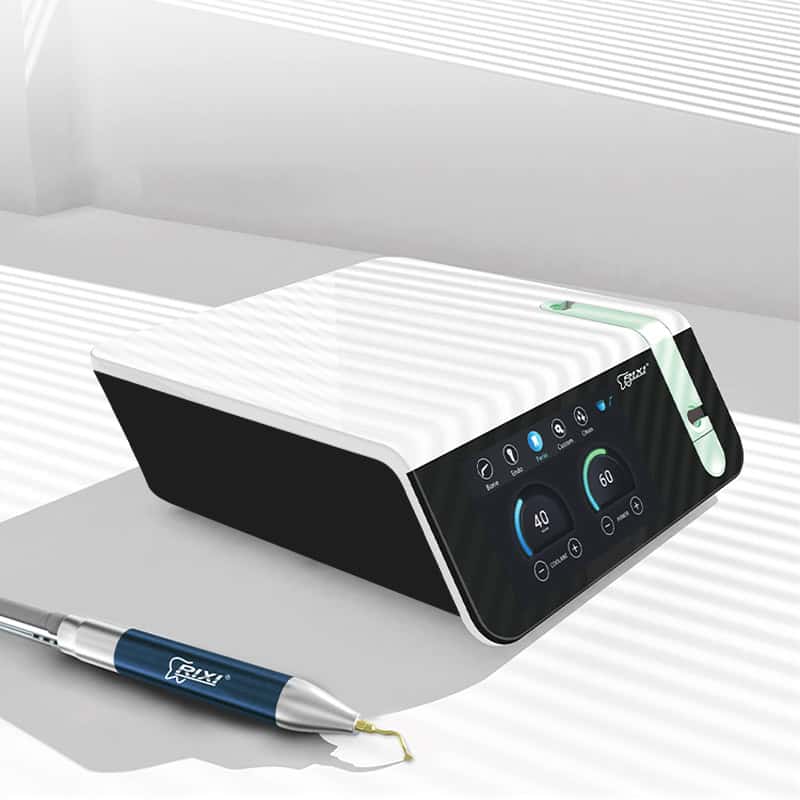
Define the OEM project before requesting a price
“OEM” can mean a logo on an existing carton, a customized accessory set, a revised user interface, or a more extensive product-development project. Those options have different approval work, lead-time drivers and documentation needs. The request for quotation should therefore state what is changing and what must remain identical to the verified base model.
Create one project brief that identifies the intended market, buyer type, expected order pattern, target configuration, language requirements and the party responsible for local market review. If several distributors or clinic groups will buy the product, record whether they share one configuration or require separate stock-keeping units. This prevents an informal request from turning into multiple undocumented variants.
Build a controlled technical specification
The specification should be detailed enough for purchasing, production, inspection and service teams to identify the same product. Do not rely on sales names alone. Request the model code, electrical input, supplied handpieces or instruments, connector details, control method, included accessories, consumables, packaging contents and available spare parts. For equipment with software or a digital display, include the approved interface language and version.
| Control item | Evidence to request | Why it matters |
|---|---|---|
| Product identity | Model code, revision and dated configuration sheet | Separates an approved sample from a similar-looking variant. |
| Connections | Drawings, interface list and compatible accessory references | Reduces mismatch risk during installation or replacement. |
| Package scope | Packing list with quantities and item codes | Lets receiving teams check complete shipments. |
| Service support | Parts list, troubleshooting scope and service contact route | Clarifies what a distributor can support locally. |
| Documentation | Manual, labels and declarations applicable to the quoted model | Prevents one model’s documents from being reused for another. |
Approve a representative sample
The sample should match the intended production configuration, not a convenient showroom unit. Give the supplier a written sample checklist and identify every acceptable difference before testing begins. Record the serial or batch identifier, photographed package contents and document revision. If the logo, control panel, accessory set or carton will change after technical approval, approve those changes separately.
Evaluation should cover physical identity, supplied accessories, connector fit, control operation, cleaning access, power-up behavior, visible workmanship, labeling and the availability of model-specific instructions. Clinical suitability and operating settings must be assessed by qualified professionals using the manufacturer’s instructions; a procurement article should not prescribe operating values.

Separate branding approval from technical approval
A correct logo file does not prove that the underlying product is correct. Maintain two approval tracks. The technical track covers the equipment, interfaces, accessories and documentation. The artwork track covers brand spelling, colors, label placement, carton marks, language and printing proofs. Both should identify the same model and revision.
Ask for an artwork proof before production and a photographed pre-production sample when practical. Confirm whether labels must remain readable after routine cleaning and whether replacement labels can be supplied. Avoid adding certification marks, performance claims or regulatory wording unless the buyer has verified that the exact model and target market support those statements.
Control packaging and shipping handover
Packaging approval should cover more than appearance. Record the inner supports, protective bags, accessory compartments, moisture protection where applicable, carton dimensions, gross weight, handling marks and the location of the packing list. If several components ship in separate cartons, require a carton map that shows how the complete set is identified.
For distributor orders, define whether spare parts, demonstration accessories and sales samples are part of the commercial shipment or separate line items. The receiving team should be able to compare the cartons with the purchase order without interpreting marketing names.
Use written change control for repeat orders
A first order can be correct while a repeat order quietly changes. The purchase agreement should require notice before changes to the model code, electronics, connectors, supplied accessories, materials, labeling, software, packaging or manuals. The buyer can then decide whether the change needs a new sample, a document review or only an updated record.
Keep a simple configuration register with the approved revision, sample evidence, artwork proof, packing list, purchase-order reference and change history. This is especially useful when several sales teams or warehouses handle the same private-label product.
Pre-shipment and receiving checks
- Match the production model and revision to the approved specification.
- Check the approved logo, label language and carton artwork.
- Verify included instruments, cables, accessories and quantities.
- Confirm that current manuals and packing lists are inside the agreed package.
- Photograph representative cartons and product identifiers before shipment.
- Define how discrepancies will be quarantined, documented and resolved.
The receiving team should use the same identifiers as the supplier’s pre-shipment record. For a dedicated arrival workflow, use the dental implant instrument receiving checklist. The documentation and traceability guide explains how to maintain model and revision records, while the compatibility buyer guide focuses on connection and accessory evidence.
Questions to send an OEM supplier
- Which exact base model and revision will be customized?
- Which requested changes affect only artwork, and which affect the product configuration?
- What drawings, configuration sheets, manuals and packing lists are available for review?
- How will production changes be communicated before repeat orders?
- Which spare parts and replacement accessories are identified by item code?
- What evidence will accompany pre-shipment inspection and receiving?
Frequently asked questions
Should an OEM project begin with the logo?
No. Freeze the technical configuration first, then approve branding against that specific model and revision.
Is one showroom sample enough for repeat orders?
It can support evaluation, but repeatability also needs a written specification, approved package contents and change-control records.
Can a supplier’s general certificate be used for every variant?
Do not assume so. Confirm that any document applies to the exact model, configuration and intended market.
What should be retained after shipment?
Keep the purchase order, approved specification, sample record, artwork proof, packing list, inspection evidence and change history together.
Scope and review note
This article provides general sourcing and quality-control guidance. Product-specific operating instructions, clinical decisions and market-access requirements should be reviewed by the responsible qualified professionals and authorities for the intended destination.
Buyers can review the current RIXI dental implant equipment category and the electric dental implant torque wrench before preparing a configuration request. For a model-specific quotation and document pack, contact RIXI Medical with the target market, quantity range and required customization.
Need Dental Equipment Pricing or Configuration Details?
Contact RIXI Medical for model comparison, distributor pricing, packaging information, OEM/ODM requirements and after-sales support.
Request Product Information