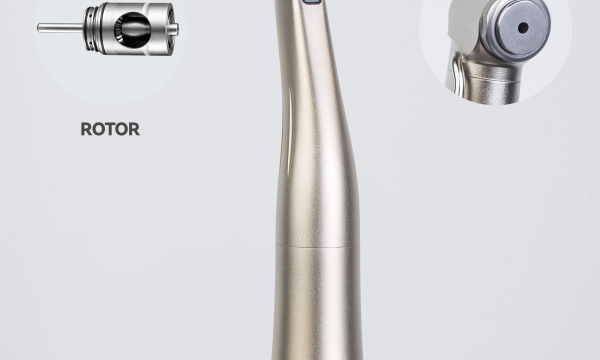
Dental Handpiece Grip Fit: Buyer Evaluation Guide
A handpiece can match the required connection and still feel wrong in daily use. Grip diameter, surface profile, weight distribution and access to controls should therefore be checked on an identified sample—not inferred from a catalogue photograph.
This guide explains a procurement and sample-evaluation process. It does not prescribe a clinical technique or claim that one grip design prevents fatigue or injury. Confirm every model-specific dimension, care instruction and intended use with the supplier and the current product documentation.
For clinics and distributors, “cushioned” or “ergonomic” is too vague to approve a dental handpiece. One supplier may use the term for a wider metal body, another for a textured surface, and another for a removable sleeve. Those designs are not automatically equivalent. Purchasing needs an exact model code, a dimensioned drawing and a repeatable way to compare the physical sample with the quotation.
RIXI Medical, a dental equipment manufacturer and supplier in Foshan, China, recommends separating grip evaluation from performance claims. First confirm the handpiece family, rear connection, head configuration and maintenance requirements. Then document the grip-related characteristics that can be inspected or measured. This keeps the decision useful for both a clinic sample review and a distributor’s repeat order.
Define what “grip fit” means for this order
Start by writing the purchasing question in observable terms. Is the team comparing a narrow and a wider body? A smooth and a textured finish? A straight profile and a contoured profile? A removable sleeve and an integral surface? The answer determines what evidence belongs in the specification sheet.
- Record the exact manufacturer, model and revision shown on the sample.
- Confirm the handpiece family and connection before comparing body shape.
- Measure grip diameter only at defined points on the drawing.
- Describe the surface and sleeve as supplied, without marketing shorthand.
- Check whether controls, chuck access and markings remain easy to identify.
- Keep cleaning, lubrication and processing instructions tied to the exact model.
A buyer should not approve a generic “comfortable grip” line in place of these details. Comfort is influenced by the user, glove, procedure, coupling, hose and instrument setup. The purchasing record should capture the product attributes and the evaluation conditions instead of promising a universal result.

Request a drawing that supports the sample review
A useful drawing identifies the overall length, maximum body diameter, measurement locations, head envelope and connection interface. If the grip is tapered, one diameter is not enough. Ask the supplier to mark where each dimension is taken. When a removable sleeve is included, request its material designation, fitted dimensions, replacement reference and installation instructions.
Model-specific specifications must come from the current supplier file. Do not copy a diameter, weight or material from another model in the same product family. A visually similar handpiece may use a different coupling, illumination arrangement, water path, bearing assembly or sleeve construction. These differences can affect the sample setup and the service parts that a distributor must stock.
| Decision area | Evidence to request | Sample check |
|---|---|---|
| Body profile | Dimensioned drawing with measurement points | Measure the same points on the labelled sample |
| Surface | Finish or sleeve description and care instructions | Inspect consistency, seams and access to markings |
| Balance | Complete quoted configuration and supplied coupling | Compare only with the same hose, coupling and accessories |
| Controls | Chuck, button and connection layout | Confirm normal access while wearing the clinic’s usual gloves |
| Traceability | Model, revision, label and packaging references | Match the sample to the quotation and approval record |
| Maintenance | Current cleaning, lubrication and processing documents | Check that the grip feature does not obscure required access |
Use one controlled sample evaluation
Set up the comparison so that only the relevant variable changes. If one handpiece is attached to a different coupling or hose, a user may be judging the complete assembly rather than the grip. If a sample is evaluated without the normal glove type, or with accessories that are not part of the quotation, the notes may not be reproducible.
Create a short evaluation form with the sample code, evaluator, date, connection, coupling, hose and fitted accessory. Ask evaluators to record observations such as “surface became difficult to rotate in a wet glove” or “model marking was covered by the sleeve.” Avoid vague scoring labels unless the scale is defined. Photographs can support the record, but they should not replace model identification and measurements.
The evaluation should also include non-use checks. Confirm that the handpiece can be placed in the intended holder without pressing a control, that the body does not interfere with the holder’s retaining feature, and that the model remains identifiable after routine handling. These are equipment-fit observations, not clinical performance conclusions.
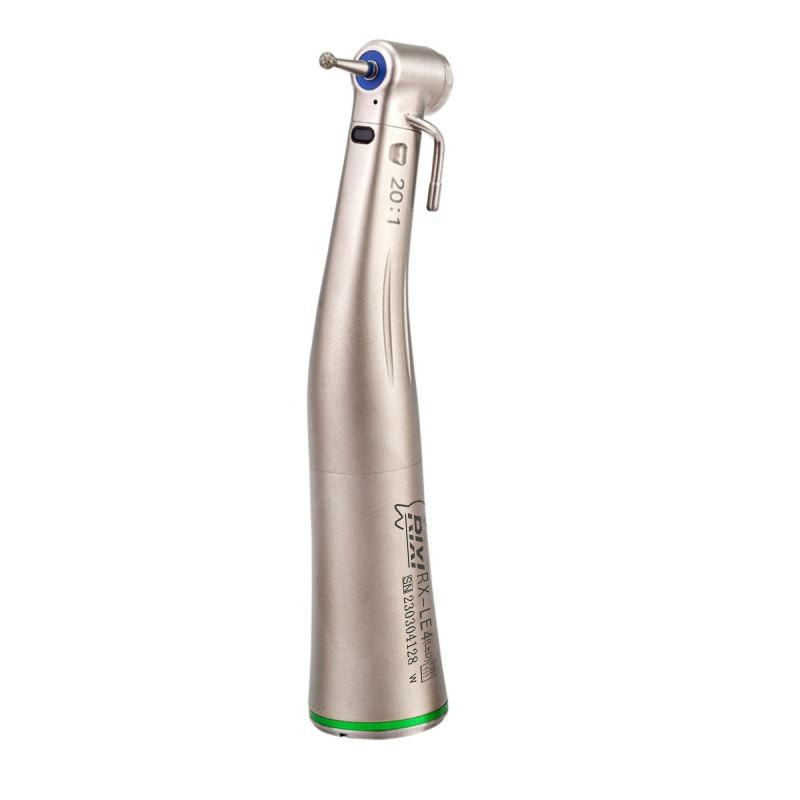
Keep grip design compatible with cleaning and service
A removable cover or textured feature must be evaluated against the current instructions for the handpiece. Purchasing should ask whether the feature is integral, removable or replaceable; whether a separate part number applies; and how the supplier instructs users to inspect it. Do not assume that a sleeve can be added to a different handpiece or processed in the same way.
For a mixed fleet, link the grip record to the clinic’s handpiece processing compatibility review and the correct maintenance document. For a mixed fleet, keep the approved sample linked to the handpiece inventory and reserve record so model, revision and availability notes remain traceable. Staff should follow the current instructions from the equipment manufacturer and the clinic’s approved process.
Convert an approved sample into a repeatable order
Once the sample is accepted, freeze the configuration. Record the model code, connection, illumination option, body finish, sleeve reference if applicable, packaging label and approved sample photographs. A distributor ordering several models should keep separate rows rather than allowing “same as sample” to cover a mixed shipment.
Use the high-speed handpiece comparison worksheet for head, spray, connection and service criteria. For low-speed combinations, confirm the motor and attachment interface with the low-speed motor compatibility guide. Quantity and packaging belong in a separate bulk-pack order record.
Before shipment, ask the supplier to confirm whether any approved grip-related material, finish, mould, marking or sleeve has changed. A change request should identify the affected model and show updated evidence. Receiving teams can then compare the carton label, product marking and a sample from the batch with the approved record.
Questions to include in the supplier enquiry
- Which exact model and revision does the quoted grip description cover?
- Where are the body dimensions measured, and can a current drawing be supplied?
- Is the surface feature integral, removable or replaceable?
- What coupling, hose and accessories were used for the sample configuration?
- Which current care documents apply to the body surface or sleeve?
- How will a material, finish or marking change be communicated before production?
Browse RIXI’s dental handpiece range to identify the correct product family before requesting a sample. The final quotation should still state the exact supplied configuration; a category page is not a substitute for a model drawing or approval sheet.
Frequently asked questions
Does a wider handpiece automatically provide a better grip?
No. Diameter is one measurable attribute, but suitability depends on the user, glove, coupling, hose and intended equipment setup. Compare identified samples under the same conditions and document observations without promising a universal ergonomic benefit.
Can a removable sleeve be fitted to any handpiece?
Do not assume so. Ask for the compatible model list, part reference and current fitting and processing instructions. An unapproved sleeve may obscure markings, controls or service access.
Should a buyer specify handpiece weight?
Weight can be recorded, but the measurement method and complete configuration must be stated. A bare handpiece and a handpiece connected to a coupling and hose are not directly comparable.
What should be retained after sample approval?
Keep the supplier drawing, exact model and revision, configuration list, dated evaluation form, approved photographs, packaging reference and any change approvals. These records support receiving checks and repeat orders.
Request a handpiece sample specification
Send RIXI Medical the product family, connection, required configuration and target market. We can prepare the available model documents for your clinic, distributor or OEM/ODM review.
Request specifications or a sample reviewNeed Dental Equipment Pricing or Configuration Details?
Contact RIXI Medical for model comparison, distributor pricing, packaging information, OEM/ODM requirements and after-sales support.
Request Product Information