
A handpiece described as “autoclavable” is not automatically compatible with every steam sterilizer, cycle or maintenance sequence. For a buyer, the practical task is to match the exact handpiece model and its current instructions for use with a sterilizer that can deliver the permitted process—and to make sure the clinic or distributor receives the documents and accessories needed to repeat that process.
This guide is written for clinic owners, procurement teams and distributors comparing dental handpiece options with dental autoclave equipment. It focuses on procurement evidence and equipment coordination, not clinical instructions. Local rules and professional protocols vary, and the manufacturer’s current instructions for each device remain the controlling reference.
Define compatibility at the model level
Start with an exact model identifier, not a broad label such as high-speed, low-speed or surgical. Two handpieces with a similar appearance may use different bearings, seals, light systems, spray paths, coatings or rear connections. Those differences can affect cleaning, lubrication, coupling removal and permitted processing conditions.
Ask the handpiece supplier for the current instructions for use, revision date, supported processing method and any restrictions that apply to detachable parts. Record whether the coupling, motor, turbine cartridge or other accessory is processed with the handpiece or separately. If the documentation does not clearly identify the ordered model, treat the answer as open rather than assuming that a manual for another product applies.

Build a two-sided compatibility matrix
A useful purchasing record compares handpiece requirements with sterilizer capabilities. Do not reduce the decision to chamber volume or a single temperature shown in a catalog. The matrix should link controlled documents for both products.
| Check | Handpiece evidence | Sterilizer evidence | Buyer decision |
|---|---|---|---|
| Exact identity | Model, coupling and accessory list | Model and chamber configuration | Confirm the quoted products |
| Permitted process | Current manufacturer instructions | Available validated program information | Match only documented conditions |
| Preparation | Cleaning, drying and lubrication sequence | Loading and packaging instructions | Check that the workflow is practical |
| Physical fit | Quantity and dimensions of assembled or separated parts | Usable tray and chamber space | Test a representative load |
| Post-process handling | Cooling, storage and inspection instructions | Cycle completion and drying information | Define release and storage steps |
| Change control | Manual revision and component-change notice | Program or model revision records | Recheck compatibility after changes |
The result should state compatible, incompatible or unresolved, with the supporting document revision. “The supplier said it is fine” is not enough for a repeat order or distributor support case.
Read the handpiece IFU as a procurement document
Procurement teams often request a brochure but not the document that controls maintenance and processing. Before sample approval, ask for the current instructions in a language the receiving team can use. Check that the manual covers the exact model, identifies detachable components and explains the order of cleaning, lubrication, packaging and processing where applicable.
For comparison work, a high-speed handpiece interface guide can help buyers organize coupling, air, water and service-part questions. It does not establish autoclave compatibility; that conclusion must come from the model-specific manufacturer documentation.
Also ask how revised instructions are distributed. A distributor may still hold stock from an earlier production batch when a manual changes. The order file should link the product batch or configuration to the document version delivered with it.
Match sterilizer capability without inventing a universal cycle
The sterilizer side of the review should begin with its current manual, program information, usable chamber dimensions, tray arrangement, utilities, water requirements, drainage method and service clearances. Chamber capacity alone does not tell a buyer how many handpieces fit while respecting the sterilizer manufacturer’s loading instructions.
RIXI lists both an 18 L front-door autoclave configuration and an 18 L tabletop sterilizer with LED display. These product pages are starting points, not proof that either model is suitable for every handpiece. Request the current model manual and compare its available programs with the exact handpiece instructions before purchase.
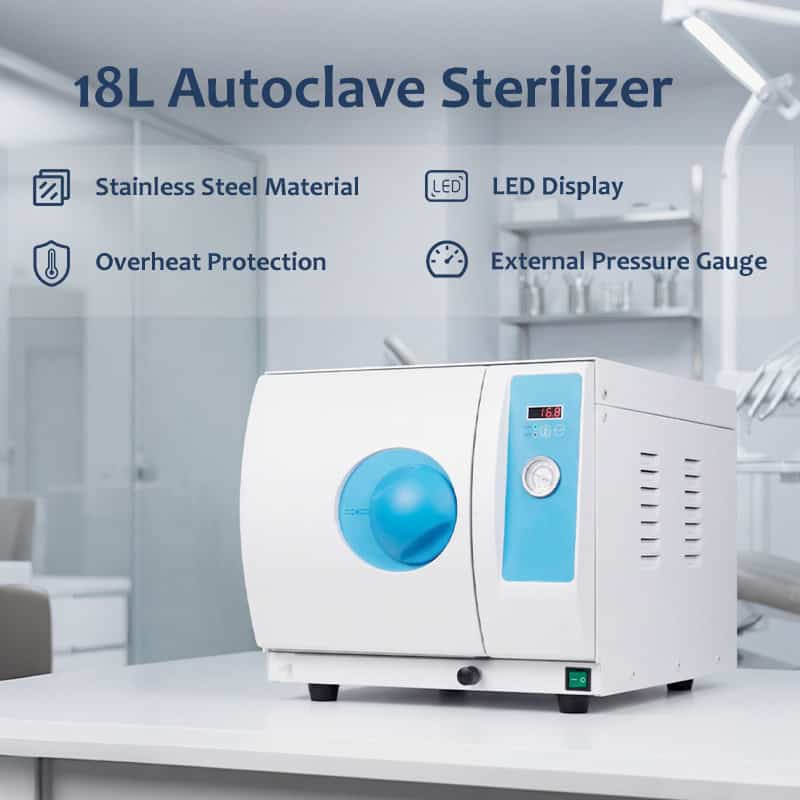
A supplier should not substitute a familiar cycle setting for missing documentation. If a handpiece manual and sterilizer manual cannot be matched, keep the decision unresolved and obtain clarification from the manufacturers or locally qualified professionals.
Coordinate lubrication and processing as one workflow
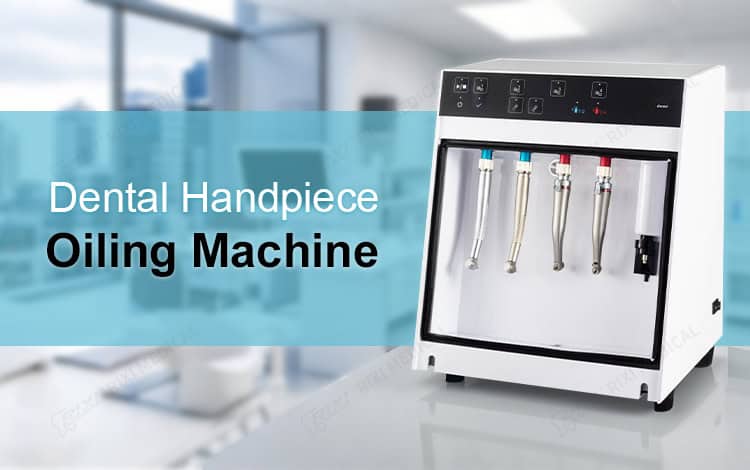
Lubrication is another compatibility point, not an isolated purchase. Confirm whether the handpiece requires lubrication, which product is permitted, when it is applied and whether excess lubricant must be removed before the next documented step. Do not assume that one lubricant, nozzle or automated setting suits every handpiece family.
If an automated unit is planned, compare the available adapters with the handpiece connections and identify any manual exceptions. The RIXI dental handpiece oiling machine shows a multi-connector maintenance format, but buyers should request the connector list and operating instructions for the exact configuration.
Use a sample set to test the proposed system
Before approving a larger order, assemble a representative sample set: the intended handpiece models, couplings, lubricant or maintenance equipment, packaging materials and proposed sterilizer. The objective is not to create a new processing protocol. It is to confirm that the documented workflow can be carried out with the supplied equipment and that all interfaces are understood.
Record the model numbers, document revisions, accessories used, tray arrangement and any questions raised during the review. Have qualified local personnel assess the proposed workflow. If a connector does not fit, a manual conflicts with another document or a loading assumption cannot be demonstrated, close the issue before scaling the order.
Prepare distributor and OEM documentation
Distributor packages need more than product photographs. Include an approved model list, current manuals, a compatibility matrix, accessory and adapter references, spare-parts identification and a method for reporting configuration changes. Private-label projects should also control product names and artwork so the label on the device matches the manual used by the buyer.
RIXI Medical, a dental equipment manufacturer and supplier in Foshan, China, can provide model-specific product information from its supplier perspective. Buyers should still have local specialists confirm installation, processing and compliance requirements for the destination market. Agree in advance how updated manuals and service notices will be delivered through the technical support channel.
Final procurement checks
- Exact handpiece and sterilizer models are named in the order file.
- Current instructions for both devices are available and readable.
- Permitted processing conditions are matched without assumptions.
- Couplings, adapters and detachable components are identified.
- Lubrication requirements and sequencing are documented.
- A representative load has been reviewed by qualified personnel.
- Manual revisions and product changes trigger a compatibility recheck.
- The distributor handover includes service and escalation contacts.
Scope note: This article provides general equipment-procurement guidance. It does not prescribe a sterilization cycle, replace either manufacturer’s instructions or provide clinical or regulatory advice. Confirm exact specifications with the suppliers and consult locally qualified professionals.
Frequently asked questions
Does “autoclavable” mean a handpiece works with any autoclave?
No. Compatibility depends on the exact handpiece instructions and the programs and loading conditions supported by the sterilizer. Compare current documents for both models.
What should be requested from the handpiece supplier?
Request the exact model identifier, current instructions for use, coupling and accessory list, maintenance requirements, processing restrictions and a method for receiving document or component-change notices.
Can chamber volume determine how many handpieces fit?
Not by itself. Usable tray space, packaging, accessory separation and the sterilizer manufacturer’s loading instructions all affect the practical load. Test a representative arrangement rather than estimating from liters alone.
When should compatibility be reviewed again?
Review it when the handpiece, coupling, lubricant, packaging, sterilizer program, manual revision or another relevant component changes. Maintain the decision and evidence in the purchasing record.
For a model-specific comparison, request the handpiece and autoclave manuals, interface details and proposed equipment list before approving a distributor or clinic package.
Need Dental Equipment Pricing or Configuration Details?
Contact RIXI Medical for model comparison, distributor pricing, packaging information, OEM/ODM requirements and after-sales support.
Request Product Information