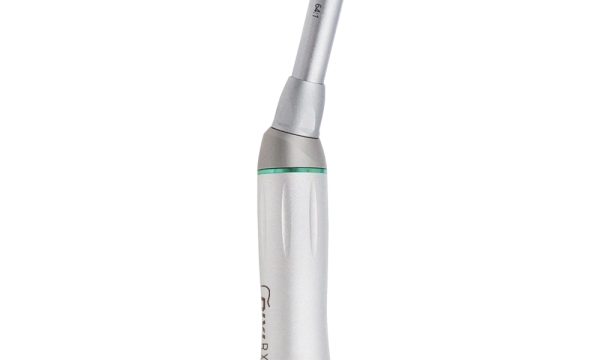
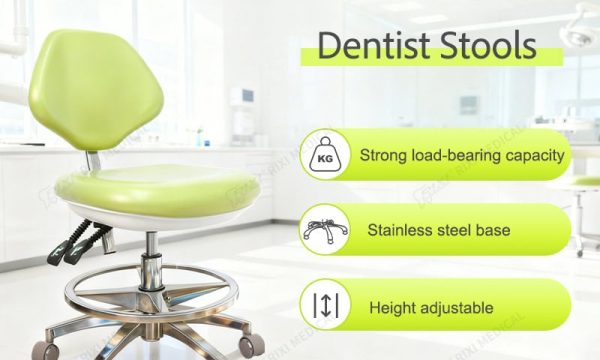
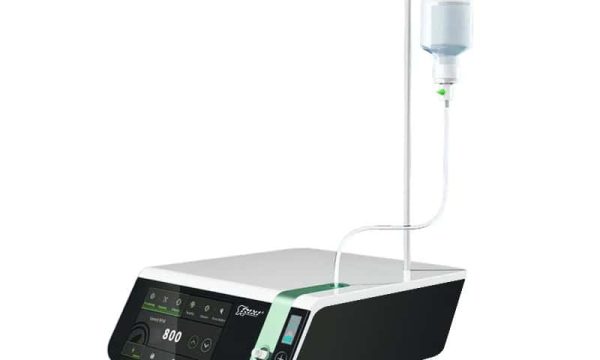
A dental chair purchase can reach an approval meeting with a polished quotation but still lack the evidence needed for a sound decision. The unresolved questions are usually practical: which configuration is included, whether it fits the room and utilities, who owns installation tasks, what service information will be supplied, and how acceptance will be recorded. A dental chair capital approval should make those assumptions visible before the order is released.
This guide focuses on approval governance rather than projected return on investment. It does not predict revenue, patient volume, treatment speed or equipment life. Buyers should confirm model-specific specifications with the supplier and have utilities, installation and local requirements reviewed by qualified professionals.
Define the decision before comparing quotations
Start by writing one sentence that describes what the approval covers. For example: “Approve one configured dental chair unit for Room 2, including the agreed delivery system, operating light, assistant-side components and documented handover scope.” This prevents accessories, site work and optional items from being mixed into an undefined package.
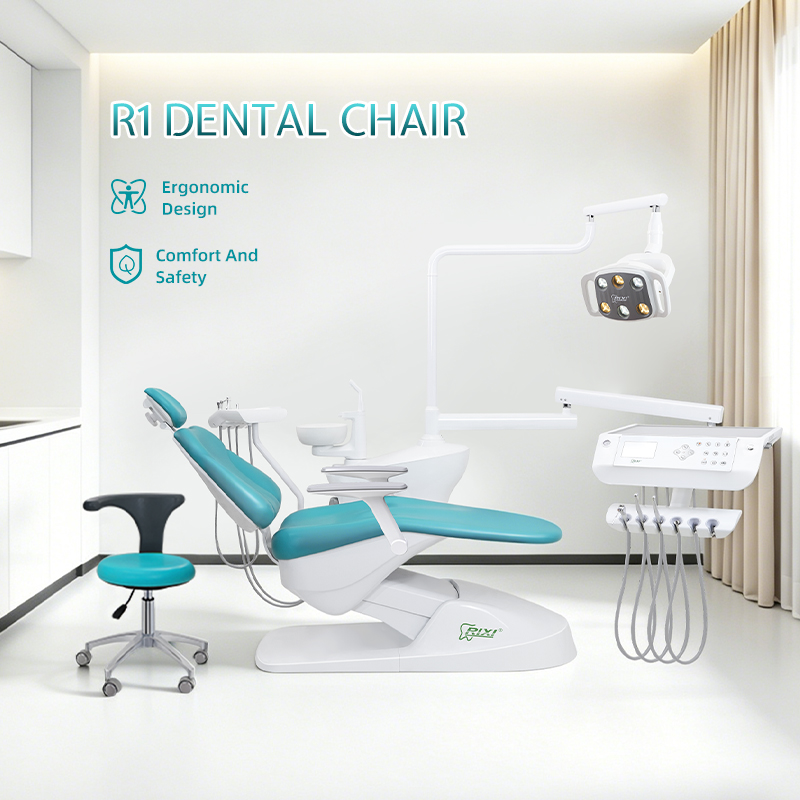
Record the room, intended workflow, quantity, required delivery arrangement and the people who must sign off. If several operatories are involved, identify whether the decision is for a pilot unit, a standardized fleet configuration or a mixed equipment package. For broader product screening, use the RIXI dental chair category to identify models for a specification discussion; do not treat website photographs as the final order configuration.
Build an evidence pack around four approval questions
A useful approval file is short enough to review but detailed enough to expose omissions. Organize it around the following questions.
| Approval question | Evidence to request | Typical owner |
|---|---|---|
| What exactly is being ordered? | Model, revision, selected options, included accessories, quantities and quotation version | Procurement and supplier |
| Will it fit and connect? | Dimensioned drawing, chair movement envelope, utility points, electrical data and access route | Project lead and qualified installer |
| Can it be supported? | Manuals, parts identification method, troubleshooting route and agreed service responsibilities | Service lead and supplier |
| How will it be accepted? | Packing list, receiving checklist, functional checks, defect record and handover sign-off | Clinic representative and installer |
The dental chair price factors guide explains why apparently similar quotations may cover different scopes. For line-by-line commercial normalization, use a separate dental chair quote comparison worksheet.
Turn assumptions into reviewable statements
An assumption is not a defect if it is identified, owned and checked. The problem is an assumption presented as a confirmed fact. Create an assumption register with four fields: the statement, its current evidence, the person responsible for confirmation and the approval gate it affects.
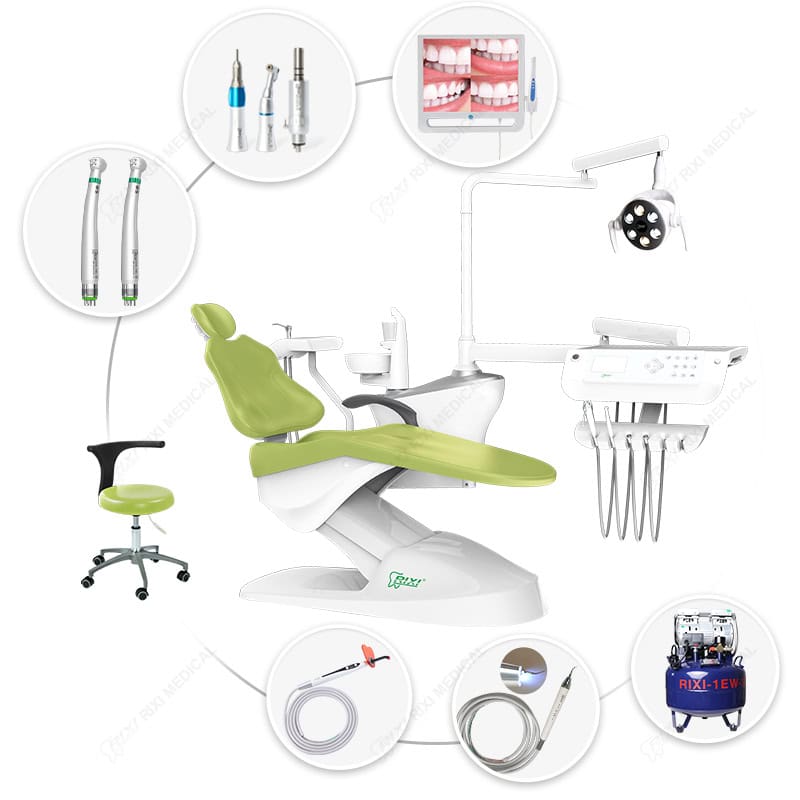
- Configuration assumption: the operating light, instrument delivery and assistant-side arrangement shown in a reference image match the quotation.
- Site assumption: the room has the required utilities at the correct positions and the delivery route is clear.
- Service assumption: the receiving organization can identify replacement parts from the supplied model and revision information.
- Schedule assumption: site readiness, delivery and installation responsibilities are aligned without relying on an unconfirmed shipping promise.
- Acceptance assumption: the clinic knows which functions will be demonstrated and who may sign the handover record.
Each assumption should end in one of three states: confirmed with evidence, accepted as a documented risk, or unresolved and therefore blocking approval. This simple rule keeps optimistic statements from quietly becoming purchasing commitments.
Separate capital approval from lifetime-cost modeling
Capital approval asks whether the proposed purchase is sufficiently defined and controlled. A lifetime-cost exercise asks how costs may develop during ownership. They are related, but they should not be blended into a single unsupported “ROI” number.
If cost modeling is required, use the dental chair total cost of ownership worksheet and mark every estimate by evidence status. Keep quoted amounts, buyer estimates and unknown future costs in separate columns. Do not convert possible efficiency, patient comfort or visual appeal into guaranteed revenue. Those factors may matter to the clinic, but they require the buyer’s own operational evidence and approval method.
Create a risk register that leads to action
A capital request becomes easier to review when each risk has a practical response. Avoid broad labels such as “supplier risk.” Describe the exact uncertainty and the document or check needed to close it.
- Configuration mismatch: attach the approved configuration sheet to the purchase order and reference its revision.
- Room interference: compare the movement envelope with cabinets, doors, staff circulation and service access.
- Utility mismatch: have a qualified installer compare the supplier drawing with site conditions before delivery.
- Accessory omission: reconcile the quotation, packing list and acceptance checklist by item.
- Unclear service path: document who receives fault reports, what identity information is required and how parts are confirmed.
- Uncontrolled change: require written approval for substitutions, revised options or quantity changes.
The dental chair installation guide covers site readiness and handover, while the maintenance planning guide helps buyers define records and escalation responsibilities before the unit enters service.
Use approval gates instead of a single final signature
A staged review reduces late surprises. A practical sequence is:
- Clinical workflow gate: operator, assistant and patient access have been reviewed against the intended room use.
- Technical gate: drawings, utilities, interfaces and installation responsibilities have been checked.
- Commercial gate: quotation version, inclusions, exclusions, quantities and change control are clear.
- Receiving gate: packing evidence, inspection steps and discrepancy ownership are prepared.
- Handover gate: functional demonstration, documents, open issues and signatories are defined.
Approval can then record conditions rather than forcing an artificial yes-or-no decision. For example, procurement may be authorized only after a dimensioned drawing and final configuration sheet are attached. The condition should identify an owner and a due date.
What to request from a dental equipment supplier
RIXI Medical is a dental equipment manufacturer and supplier in Foshan, China. For a model-specific review, buyers can ask for the current configuration list, dimensions, utility information, packing scope and available handover documents. A product page such as the R1 integrated dental chair is a useful starting point, but exact options and accessories should be confirmed in the quotation.
Before approval, ask the supplier to mark any item that is optional, buyer-supplied or dependent on local installation. This creates a clean boundary between product scope and project scope and gives distributors a repeatable record for later orders.
Frequently asked questions
Should a dental chair capital request include an ROI figure?
Only if the buyer has a defined method and evidence for the assumptions. Supplier marketing statements should not be converted into guaranteed revenue, productivity or payback. A scope-and-risk approval can proceed without an invented ROI figure.
What is the minimum attachment set?
At minimum, attach the current quotation, confirmed configuration, relevant drawing or dimension sheet, responsibility list and acceptance outline. Complex rooms or multi-unit projects may need additional site and utility documents.
Can a website image confirm the ordered configuration?
No. Images help buyers discuss layout and options, but the purchase order should reference model, revision, selected options and included accessories in writing.
Who should sign the approval?
The roles depend on the organization. Common reviewers include the clinical user, procurement, project or facilities lead, installer or service representative, and the budget owner. Local requirements may call for additional qualified review.
Scope note: This article provides procurement planning guidance, not financial, regulatory, installation or clinical advice. Confirm exact equipment specifications with the supplier and site requirements with qualified local professionals.
For a configuration-specific evidence pack, contact RIXI Medical to request specifications, drawings and quotation scope for review.
Need Dental Equipment Pricing or Configuration Details?
Contact RIXI Medical for model comparison, distributor pricing, packaging information, OEM/ODM requirements and after-sales support.
Request Product Information