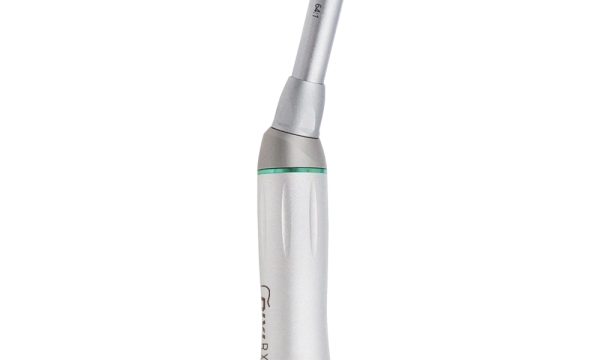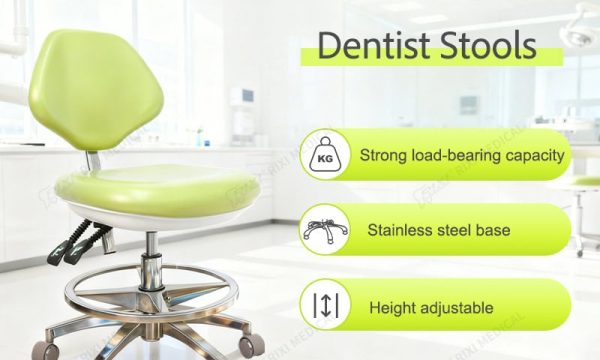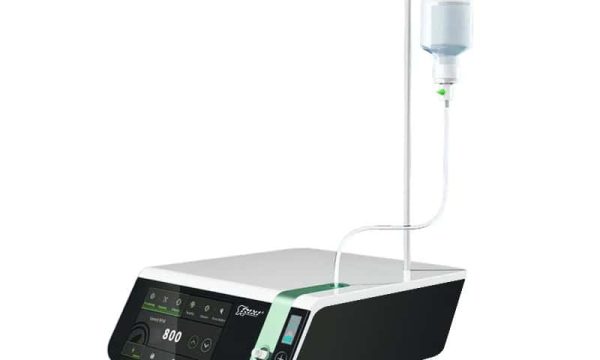
A dental chair comparison becomes unreliable when buyers place three brochures side by side and count features. Brand terminology is not standardized, optional accessories may appear in product photography, and a familiar model name can cover more than one regional or production configuration. The useful question is not which brand sounds most advanced. It is whether each supplier can provide comparable evidence for the exact chair package being quoted.
This guide gives clinic owners, distributors and procurement teams a controlled method for reviewing chairs from different manufacturers. It replaces broad brand rankings with a cross-brand evidence matrix covering configuration, utilities, service access, documentation and sample acceptance. For RIXI buyers, the RIXI R5 product page can be used as an initial model reference, but the final purchase record should always be based on the current quotation and approved specification sheet.
Why brand-to-brand dental chair comparisons often fail
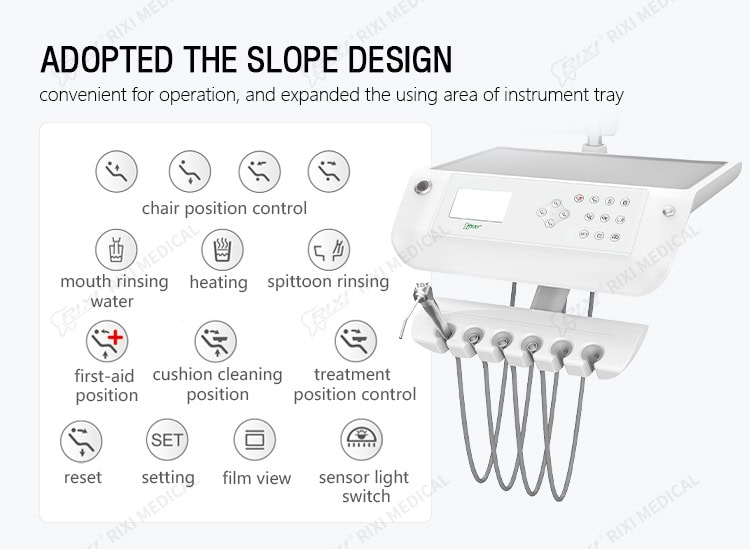
Two chairs may use similar marketing language while including different equipment. A delivery unit can be top-mounted or hanging; a stool, operating light, suction assembly or monitor arm may be standard, optional or excluded. Even when the same function is listed, the interface, utility requirement and service procedure may differ. A headline comparison hides these boundaries.
The solution is to freeze the buyer requirement first, then ask every supplier to answer the same questions. If the requirement changes after quotations arrive, issue a new revision to all shortlisted suppliers. This prevents one model from appearing stronger simply because it was quoted with a larger accessory package.

Build a normalized requirement sheet before naming brands
Start with the room and workflow rather than a preferred model. Record the available footprint, operator and assistant positions, delivery preference, instrument count, suction arrangement, operating-light mounting, stool quantity and any planned imaging or monitor interfaces. Add the local electrical, air, water, drainage and floor conditions that the installer must review.
For room-specific decisions, use an approved installation drawing and compare it with the site’s measured conditions. The dental chair installation requirements guide explains the handoff between supplier information and locally qualified installation work. Requirements vary by site and jurisdiction, so the supplier should not be treated as the local authority for building, electrical or plumbing approval.
Use an evidence matrix instead of a feature score
| Comparison field | Evidence to request | Why it matters |
|---|---|---|
| Exact model and revision | Model code, quotation revision and dated specification sheet | Prevents different revisions from being treated as the same chair |
| Included configuration | Itemized list linked to labeled product images | Separates standard, optional and buyer-supplied items |
| Utilities | Current electrical, air, water and drainage requirements | Lets the contractor review site compatibility before delivery |
| Delivery and control layout | Drawing or labeled interface view | Shows whether the arrangement supports the intended workflow |
| Service access | Service-panel locations, maintenance boundaries and parts references | Supports realistic maintenance planning |
| Documentation | Manual list, wiring or utility drawings, packing list and serial-record format | Defines what will be available at acceptance and handover |
| Sample acceptance | Agreed functional checklist and exception record | Turns subjective preference into a repeatable approval process |
Do not award points for a claim that has no model-specific evidence. Mark it “unverified” and keep it outside the score until the supplier provides a current document or demonstrates the function on the approved sample. This is especially important for statements about software integration, automatic movements, upholstery choices, accessory compatibility or service intervals.
Separate chair architecture from the brand name
A cross-brand review should identify how the chair performs each required movement and how technicians access the relevant assemblies. Broad labels such as hydraulic, electric or electromechanical are only starting points. Suppliers may use those terms differently, and a complete unit may combine multiple technologies.
Ask for the actual movement architecture, the controls available on the quoted configuration and the service boundaries that apply to each assembly. Buyers who need a deeper framework can use the hydraulic versus electromechanical chair comparison. The purpose is not to declare one architecture universally superior; it is to match verified design evidence with local service capability and acceptance requirements.
Compare commercial scope separately from technical fit
A technically suitable chair can still produce a misleading quotation if the commercial scope is incomplete. Keep price review in a separate worksheet that lists each included item, optional item, spare, document and service responsibility. Record currency, quotation validity and shipping terms exactly as supplied, without assuming that one supplier’s line items match another’s.
The dental chair quote comparison worksheet is designed for this commercial normalization. It should be used after the technical requirement is frozen. A low base price is not directly comparable with a package that includes additional stools, accessories, documentation or installation support.
Review workflow fit without inventing clinical outcomes
Buyers can assess whether the delivery layout, controls, assistant access and accessory positions fit the intended operatory workflow. They should not convert those observations into unsupported claims about treatment results, patient outcomes or productivity percentages. A sample evaluation can document reach, visibility, movement, obstruction, cleaning access and control identification without making clinical efficacy claims.
For a structured workflow review, see the dental chair configuration comparison guide. It helps buyers weight room and workflow criteria while keeping model-specific conclusions tied to the sample actually inspected.
Make service evidence part of the shortlist
Before approving a brand, ask who will diagnose faults, which tasks are reserved for qualified personnel, how parts are identified and what information is needed when requesting support. Obtain service access views, parts references and the current manual list for the exact configuration. Do not assume that a shared brand name guarantees identical components across revisions or markets.
Distributors should also define how serial numbers, configuration codes and replacement references will be recorded in their own system. A parts request should identify the chair, component, revision and observed issue rather than relying on a generic photograph. RIXI’s technical support resources provide a starting point for supplier communication, while final service decisions should follow the applicable manual and local qualified support arrangements.
Run a documented sample acceptance review
A sample is most useful when it closes open items in the evidence matrix. Prepare the checklist before the sample arrives. Verify the model label and package contents, compare visible controls with the approved interface record, review movement and accessory operation, inspect service access, and record any difference between the sample and the quotation.
Photograph labels and connection points only where appropriate, then store the files with the quotation revision and acceptance record. If a sample difference is accepted, document whether it applies to the production order. If it is not accepted, record the corrective action and the evidence required before release. The broader dental chair product category can help buyers identify alternative RIXI configurations for the same structured review.
Cross-brand review checklist
- Freeze one buyer requirement and issue the same revision to every supplier.
- Record the exact model, production or specification revision and quoted package.
- Separate included, optional, excluded and buyer-supplied items.
- Verify utilities and installation drawings against measured site conditions.
- Request model-specific service access, parts and document evidence.
- Mark unsupported statements as unverified instead of scoring them.
- Keep technical fit and commercial comparison in separate worksheets.
- Use an agreed sample checklist and retain signed exception records.
Scope note: This is a procurement and evidence-control framework, not clinical, regulatory or installation approval. Exact specifications must be confirmed with the supplier for the quoted model. Local qualified professionals should review site utilities, installation conditions and jurisdiction-specific requirements.
Frequently asked questions
Can buyers compare A-dec, Planmeca and RIXI chairs from public brochures alone?
Public brochures can identify questions, but they are not sufficient for final approval. Compare current model-specific quotations, drawings, configuration lists and sample evidence. Avoid assuming that every photographed or described option is included.
What should be compared first: brand reputation or room fit?
Start with the room, workflow, utilities and support requirement. Brand evaluation becomes more useful after every candidate is measured against the same frozen requirement.
How should an unverified feature be handled?
Mark it as unverified and exclude it from the scored comparison until the supplier provides acceptable evidence. Do not replace missing evidence with assumptions based on another model or region.
When is a cross-brand comparison ready for purchase approval?
It is ready when the configuration, utilities, documentation, service boundaries, commercial scope and unresolved exceptions are explicit. The approving team should be able to trace each decision to a current document or accepted sample result.
RIXI Medical is a dental equipment manufacturer and supplier based in Foshan, China. Buyers comparing the R5 or another RIXI configuration can request a current specification sheet, configuration list and technical drawing set for use in their evidence matrix.
Need Dental Equipment Pricing or Configuration Details?
Contact RIXI Medical for model comparison, distributor pricing, packaging information, OEM/ODM requirements and after-sales support.
Request Product Information