A private-label portable dental X-ray project can appear ready while the documents are still describing different products. The quotation may show one accessory set, the manual another, and the carton artwork a third. That mismatch creates avoidable questions at receiving, distributor training and repeat ordering.
This guide is for distributors, procurement teams and OEM/ODM buyers preparing a controlled handover. It focuses on how to connect the approved hardware configuration with labels, manuals, packing lists and revision records. It does not replace destination-market regulatory advice or the instructions for a specific device. Buyers should confirm exact requirements with the supplier and appropriately qualified local professionals.
Lock the sellable configuration before artwork starts
Artwork should follow configuration approval, not run ahead of it. Begin with one configuration register that names the model reference, housing version, user controls, power or charging arrangement, supplied accessories, optional accessories, packing quantity and document language. If a choice changes the SKU, it should have its own line in the register.
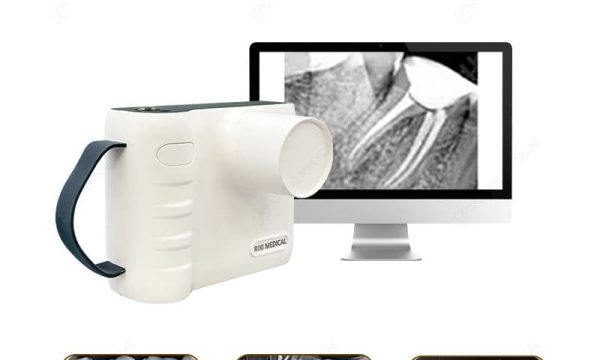
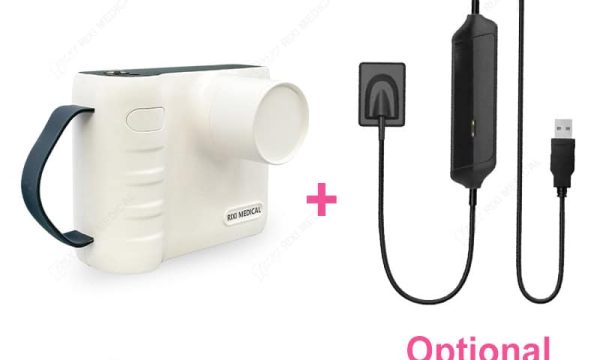
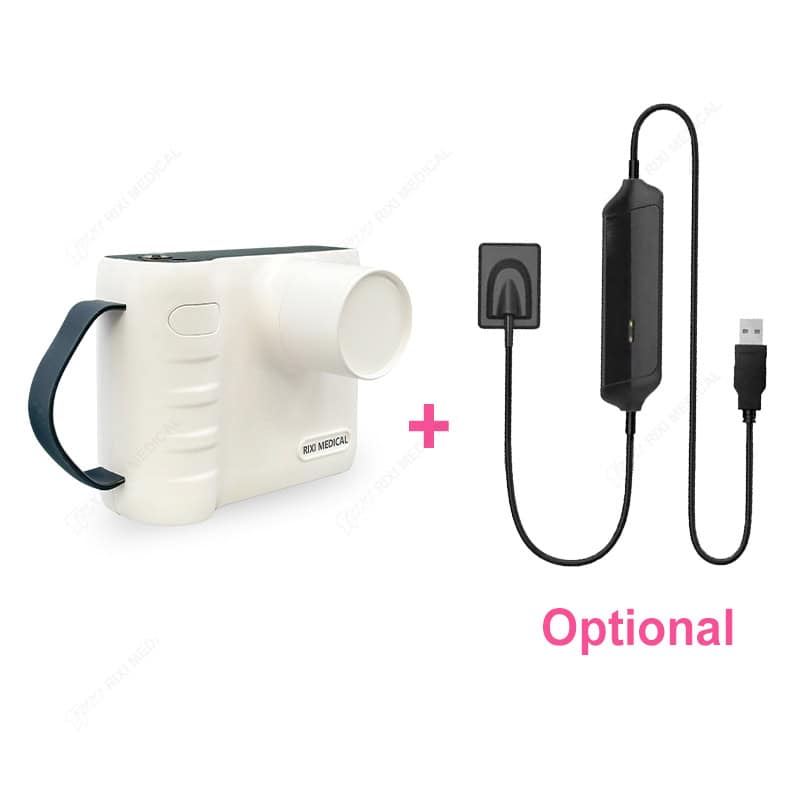
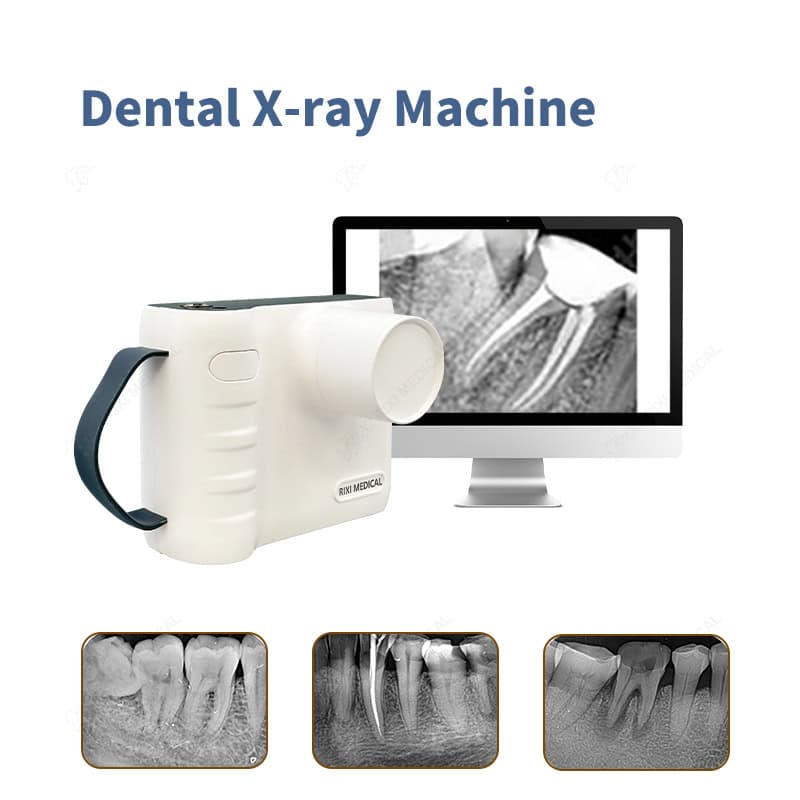
For a handheld portable dental X-ray unit, the register should also show which items are included in the standard package and which belong to a separate imaging workflow. A detector or sensor, for example, should not appear in the packing list unless it is actually part of the quoted package.
| Control field | What the buyer should record | Why it matters |
|---|---|---|
| Model identity | Supplier model, buyer SKU and approved product name | Connects quotations, labels, manuals and repeat orders. |
| Hardware configuration | Approved controls, power arrangement and included accessories | Prevents artwork from describing an unapproved version. |
| Document set | Manual, specification sheet, packing list and artwork files | Shows which files belong to the shipment. |
| Revision status | File code, revision, approval date and approver | Creates a practical release record for production. |
Separate technical labels from sales artwork
A catalogue image, outer carton and product label serve different purposes. Marketing artwork can explain the offer, but it should not be treated as the source of technical identity. The product label and required technical information should be prepared from verified model data and reviewed against the actual sample. Requirements vary by jurisdiction, so the destination-market importer or another qualified specialist should confirm what must appear and in which language.
Keep editable artwork, print-ready files and approval proofs as separate controlled files. Record dimensions, print position, color reference and the surface or package to which each file applies. When a logo or product name changes, the team should know whether the manual cover, carton, rating label and accessory labels also require a new revision.
Build a controlled document handover
The document pack should be listed like physical contents. A useful handover identifies the owner, filename, revision and release status of every item. For many distributor projects, this includes a current specification sheet, user instructions, packing list, accessory list, product and carton artwork, maintenance or service information available for the model, and a record of approved customization.
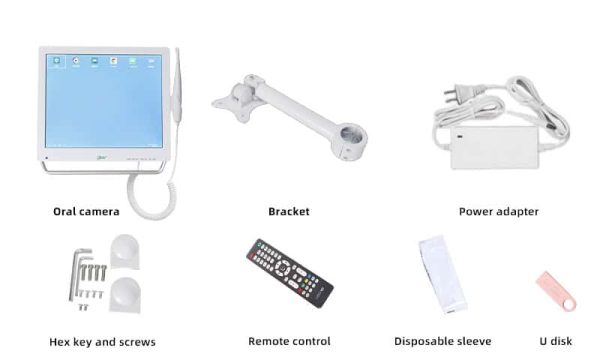
Do not fill gaps with assumptions from a similar model. General product-family information can support early planning, but released files should identify the exact quoted configuration. If the buyer is comparing another format, such as a portable dental X-ray machine with a digital display, its manuals and accessory list should remain separate from the handheld model.
RIXI Medical is a dental equipment manufacturer and supplier based in Foshan, China. From a manufacturing and sourcing perspective, a clear approval trail helps the factory, distributor and logistics team work from the same product definition. It is not a substitute for the buyer’s local legal or regulatory review.
Approve packaging and accessories as one package
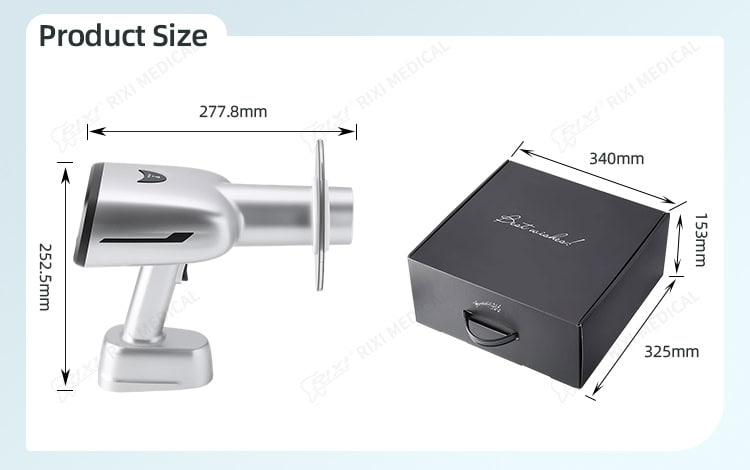
Packaging approval is more than checking the carton design. The buyer should compare the physical sample, inner protection, accessory compartments, printed packing list and outer marks as one system. The package should protect the specific configuration being shipped and make receiving checks straightforward.
Ask the supplier to show where each accessory is placed and how the model or package variant is identified. If optional components are ordered separately, their cartons and documents need distinct references. Buyers assembling a wider imaging offer can review the dental X-ray equipment range, but the purchase order should still define each sellable package independently.
Use sample approval to verify versions, not just appearance
A sample review should produce a record that purchasing can reuse. Photograph the model reference, key external views, controls, connectors, supplied accessories, labels and packaging. Record which functions and documents were reviewed, who accepted them and which points remain open. The goal is not to make clinical performance claims; it is to confirm that the commercial package matches the approved description.
Where the buyer needs factory-process evidence, agree on the records to be supplied before production rather than requesting an undefined “QC report” afterward. The supplier’s quality-control process can inform that discussion, while the final acceptance criteria should be written for the selected model and order.
Plan change control for repeat orders
Repeat orders should reference the last approved configuration and list every requested change. A short change log can record whether the change affects hardware, accessories, artwork, manuals, packing or service information. If there is no change, the order can state that the previously approved revision remains applicable.
This discipline matters when several distributors use different branding or languages. One buyer’s artwork must not become another buyer’s production file. File names alone are not enough; use a buyer or project code, revision and release date. For service questions, define the route for identifying a unit and requesting current documents through the supplier’s technical support channel.
Distributor release checklist
- The quotation and purchase order identify one approved model and package.
- The configuration register separates standard and optional accessories.
- Product, carton and manual artwork have individual file codes and revisions.
- Technical label content has been reviewed for the destination market.
- The physical sample matches the approved external configuration.
- The packing list matches the items placed in the sample package.
- Open questions have owners and deadlines before production release.
- The repeat-order process identifies how changes will be recorded.
The broader dental equipment catalogue can help distributors plan a portfolio, but each private-label SKU still needs its own controlled handover.
Frequently asked questions
When should private-label artwork begin?
After the basic hardware configuration, model identity and included accessories are confirmed. Early layout work is possible, but print-ready approval should wait until the product definition is stable.
Can one manual cover several portable X-ray models?
Only when the supplier can confirm that the document accurately distinguishes the covered models and configurations. Buyers should not assume that similar housings have identical controls, accessories or instructions.
Who should approve destination-market label content?
Responsibilities depend on the market and commercial arrangement. The importer or buyer should obtain advice from appropriately qualified local professionals and document the approval route before printing.
What should be retained after sample approval?
Keep the signed configuration record, approved artwork, document list, sample photographs, packing record, open-point closure and the revision referenced by the purchase order.
Need Dental Equipment Pricing or Configuration Details?
Contact RIXI Medical for model comparison, distributor pricing, packaging information, OEM/ODM requirements and after-sales support.
Request Product Information