A clinic choosing between portable and wall-mounted dental X-ray equipment is choosing a workflow, not just a machine. The portable format can move where the work happens, while a fixed unit creates a defined imaging position. The better option depends on room planning, staff movement, service access, local radiation requirements and how the buyer intends to manage the equipment over its working life.
This guide is for clinic owners, procurement teams, contractors and distributors comparing a handheld portable dental X-ray unit with a wall-mounted dental X-ray machine. It focuses on purchasing and installation decisions. It does not replace advice from a locally qualified radiation-safety professional, installer or regulatory authority.
Start with the movement of people and equipment
A portable unit may be attractive when several operatories share imaging equipment, when a clinic is adding capacity in stages, or when a distributor needs a flexible product line. That flexibility also creates management questions: where the unit will be stored, who may move it, how it will be charged, and how staff will confirm that accessories remain with the correct unit.
A wall-mounted system takes a different approach. Its position is established during room planning, so the working arc, mounting surface, cable route and service access must be considered before installation. It can reduce equipment movement between rooms, but the layout must support the intended patient and operator positions without obstructing cabinets, doors or dental-unit movement.
Portable and fixed formats: procurement comparison
| Decision area | Portable format | Wall-mounted format |
|---|---|---|
| Room planning | Less dependent on a permanent mounting point, but secure storage and charging locations matter. | Requires a confirmed mounting position, working envelope and service clearance. |
| Workflow | Can be shared between rooms; movement, handover and availability need control. | Stays with a defined room; scheduling is tied to that location. |
| Installation coordination | Buyer should confirm power, charging, storage and any required accessories. | Contractor should review wall condition, routing and installation drawings before work begins. |
| Service access | Ask how the complete unit is packed, identified and returned for service if needed. | Confirm access to the arm, control components and cable route without disturbing finished surfaces. |
| Distributor handling | Portable packaging and included-item control are central to receiving and resale. | Installation documentation and site-readiness communication are especially important. |

Documents to request before comparing quotations
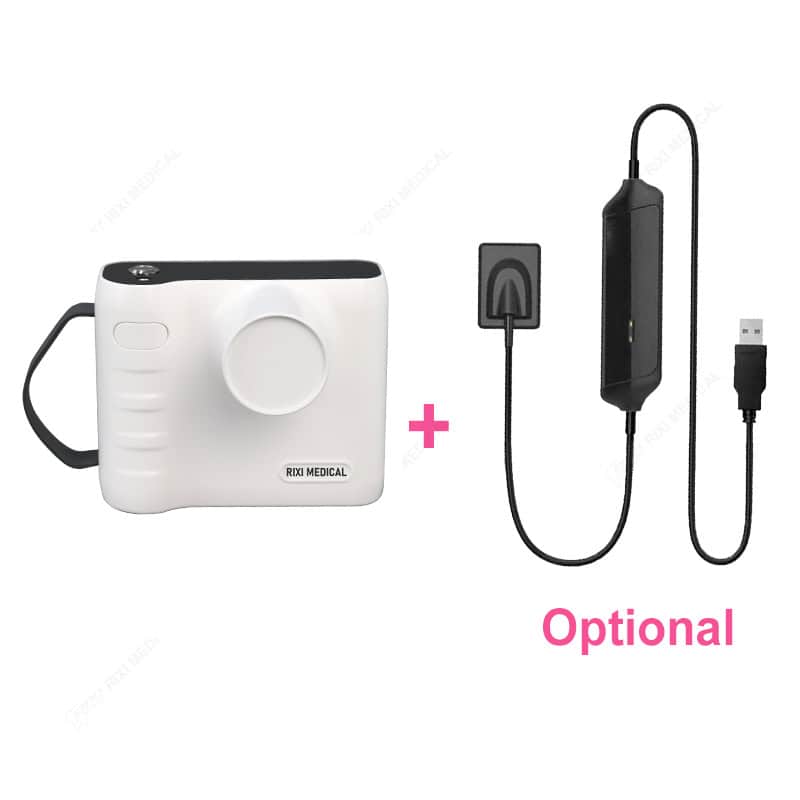
A useful quotation should make the supplied configuration easy to verify. Ask each supplier for the current product specification sheet, packing list, installation or setup instructions, available drawings, electrical information, accessory list and service-contact route. For a fixed unit, request dimensions and the mounting or working-envelope drawing. For a portable unit, clarify the charger, storage case or stand, included positioning items and any options shown in sales images.
Do not assume that a photograph represents the exact shipment. Model-specific specifications, accessories and packaging can change between configurations. Compare documents with the quotation line by line, and put any required option directly on the purchase order.
Check the complete imaging chain
The X-ray source is one part of the workflow. Buyers also need to confirm how images will be captured, transferred, displayed and archived. If the project includes a USB intraoral X-ray sensor, review computer compatibility, cable routing, protective handling, software responsibility and replacement procedures separately from the X-ray unit itself.
This separation prevents a common procurement gap: approving the source equipment while leaving the sensor, computer or software interface unresolved. A distributor should also record which party supplies installation support and which party supports the imaging software, because they may not be the same organization.
Service access and maintenance questions
- Which checks are expected at setup, and which records should be retained?
- Which components are replaceable in the destination market, and who is authorized to perform the work?
- What identification appears on the unit and packaging so the delivered configuration can be traced?
- What cleaning products and methods are compatible with external surfaces? Confirm this with the supplier rather than guessing.
- How should the unit be stored during a clinic closure or distributor inventory period?
- Which spare parts, tools or technical documents can be supplied with a distributor order?
These questions apply broadly, but the answers are model-specific. RIXI Medical, a dental equipment manufacturer and supplier based in Foshan, China, can provide current information for the configuration under review; buyers should still confirm destination-country requirements with locally qualified professionals.

A practical pre-order decision sequence
- Map the workflow. Note which rooms need imaging, how often equipment would move, and where it would wait between uses.
- Review the site. Identify mounting surfaces, electrical points, storage, charging and service access before selecting a format.
- Confirm the complete configuration. Match the quotation, specification sheet, drawings, accessories and packing list.
- Assign responsibilities. Record who handles installation, local compliance review, user training, software support and future service.
- Plan acceptance. Prepare a receiving checklist so the team can verify identity, quantity, condition and documents before installation.
Buyers who want to compare available formats can review the wider dental X-ray equipment range. For a project quotation, request the exact specification sheets and drawings rather than relying on a general category description.
Frequently asked questions
Is a portable dental X-ray unit automatically better for a multi-room clinic?
No. Mobility can help, but sharing also creates scheduling, charging, storage and handover tasks. Compare those tasks with the cost and room-planning implications of fixed equipment.
What should a contractor receive for a wall-mounted unit?
At minimum, request the supplier’s current dimensions, mounting information, working-envelope guidance, electrical information and service-clearance requirements. A locally qualified installer should confirm site suitability.
Can a USB sensor be selected independently?
It should be reviewed as a separate component, but its software, computer connection, physical handling and intended workflow must be compatible with the rest of the imaging setup.
Which specifications should appear on the purchase order?
Use the supplier’s model identification and list the agreed configuration, included accessories, documentation, packaging and any required options. Avoid relying on informal image references.
Scope note: Product specifications and included items vary by model. Radiation, installation and workplace requirements also vary by jurisdiction. Confirm the exact configuration with the supplier and consult locally qualified professionals before purchase or installation.
For a model-by-model comparison, request current specifications or technical drawings from RIXI Medical and describe the number of rooms, preferred format and intended sensor workflow.
Explore an Integrated Preview Option
For buyers comparing a compact source-and-preview arrangement, RIXI Medical offers an all-in-one portable dental X-ray machine with onboard image preview. Review its pictured sensor holder, charging arrangement and dimensions, then confirm sensor inclusion, image export, software compatibility and the model-specific specification before ordering.
Need Dental Equipment Pricing or Configuration Details?
Contact RIXI Medical for model comparison, distributor pricing, packaging information, OEM/ODM requirements and after-sales support.
Request Product Information