A distributor package for dental handpiece maintenance should do more than place an oiling machine in a carton. The reseller must be able to match the unit to supported handpieces, explain which adapters and consumables belong to each configuration, train the receiving team, and route service questions after delivery. Without that structure, product support becomes a chain of photos, guessed part names and avoidable substitutions.
This guide is for dental equipment distributors, regional dealers and OEM/ODM project teams building a repeatable handpiece maintenance offer. It focuses on package design, documentation, training and support handover. It does not prescribe a clinical processing protocol; clinics must follow current device and handpiece instructions and locally approved procedures.
Start with a configuration matrix, not a generic bundle
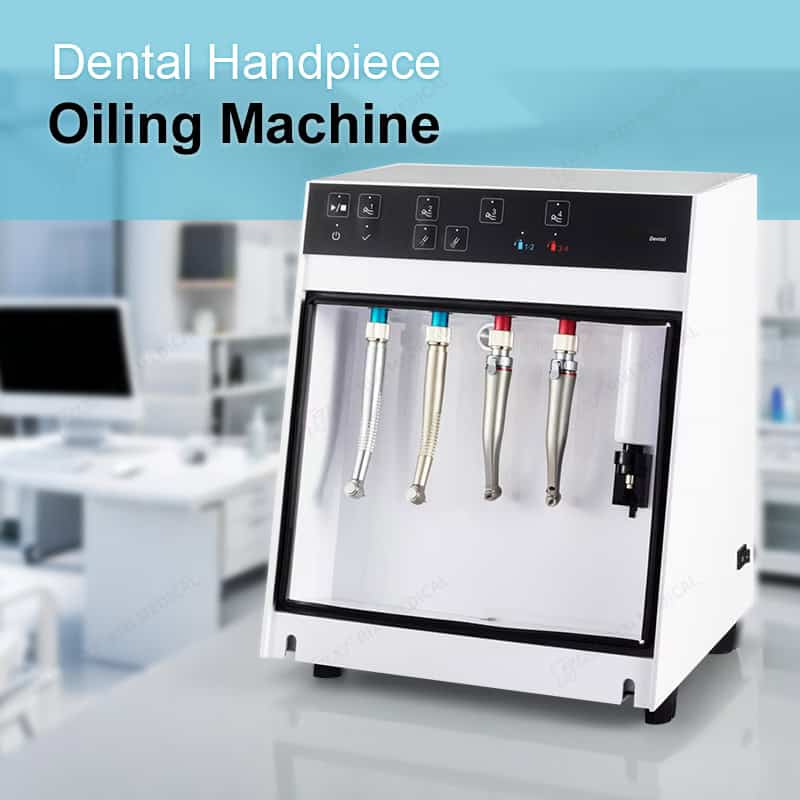
Build one row for every package you intend to sell. Name the dental handpiece oiling machine model, voltage, plug, language, supplied connection ports, included adapters and lubricant delivery format. Link that row to the supported handpiece families and record any compatibility questions that still require written confirmation.
A single “standard package” can create errors when markets use different electrical supplies, handpiece connections or documentation languages. A configuration matrix makes those differences visible before the quotation is issued. It also gives the sales, warehouse and technical teams one controlled reference instead of separate spreadsheets.
| Package record | Minimum information | Owner |
|---|---|---|
| Machine configuration | Model, voltage, plug, language and ordered options | Product manager |
| Handpiece map | Named handpiece models, connections and approved adapters | Technical team |
| Consumable map | Lubricant reference, format, pack quantity and reorder code | Purchasing |
| Accessory list | Included, optional and service-replacement items | Warehouse |
| Document pack | Manuals, quick-reference material and service contacts | Quality or support |
| Training record | Audience, trainer, version, date and open questions | Distributor support |
Separate included items, options and repeat-order supplies
Buyers need to see what arrives with the first shipment and what they must order later. Divide the offer into three sections: the base equipment, configuration-specific accessories, and repeat-order consumables or replaceable parts. Name each item with a supplier reference where available. Avoid descriptions such as “all accessories included” unless the list is attached.
For adapters, state which handpiece connection each one serves and whether it is included, optional or unavailable for the selected configuration. For lubricant, distinguish a starter quantity from the clinic’s ongoing supply. Use the handpiece lubricant compatibility guide to structure the approval record; a bottle image or “universal” label is not a compatibility statement.
If the package also includes other equipment, quote and document each device separately. A processing-room offer may include dental autoclave equipment, but lubrication, cleaning and sterilization remain different stages with different instructions and acceptance evidence.
Create sales material that does not overpromise
Distributor content should explain the buyer problem, configuration choices and evidence available. Do not promise universal handpiece compatibility, a fixed number of instruments per cycle, guaranteed time savings, a service-life extension or a processing outcome unless the exact claim is supported for the ordered model and use conditions.
Provide sales teams with an approved question list. They should ask which dental handpieces the customer owns, the connections used, the current lubricant references, the intended maintenance location, local power supply and who will manage staff handover. These questions help the technical team build the quote; they do not authorize the salesperson to interpret a clinical procedure.
- Use the exact model and configuration in quotations.
- Label product photos as illustrative when options may differ.
- List exclusions and unresolved compatibility questions.
- Keep service and warranty language tied to the written transaction terms.
- Route technical exceptions to a named reviewer before order release.
Build a practical distributor training module
Training for channel partners should cover package identification, connection mapping, consumable references, receiving inspection, document control and support escalation. Use the current manual and the exact demonstration configuration. Record the training version so later teams know which information was presented.
A good session lets the distributor practice reading the nameplate, matching adapters to the approved map, checking the packing list and locating service information. Demonstrations should not encourage staff to test an unknown handpiece or substitute a lubricant. The oiling machine buyer comparison can support product positioning, while the maintenance station planning guide is more appropriate for room-layout questions.
Design spare-parts and support handover before launch
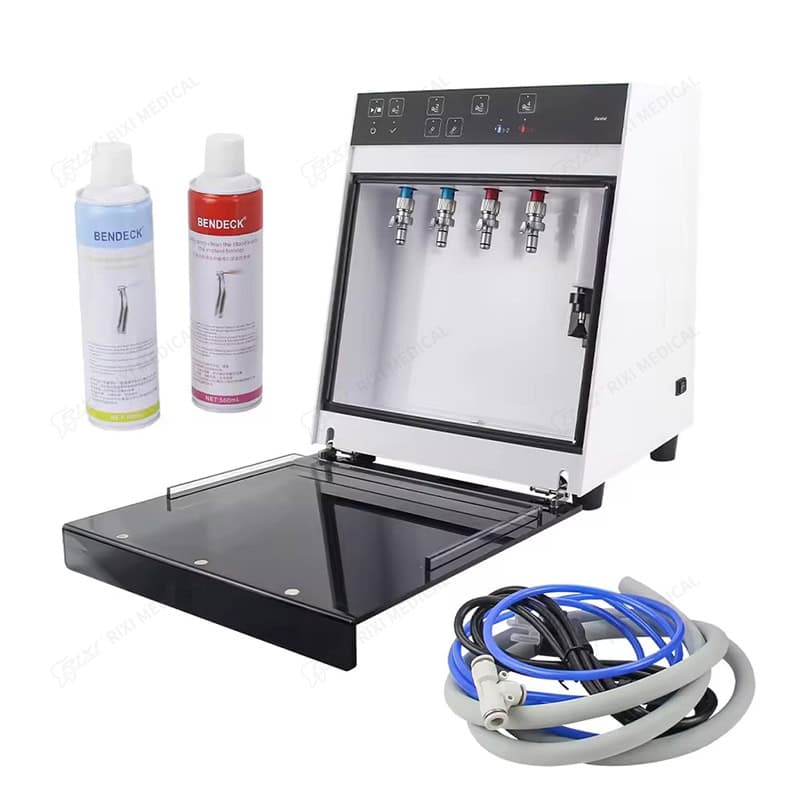
Ask the supplier which user-replaceable accessories, service parts and consumables apply to the selected model. Record part names, references, photos and the information needed to request support. Do not guess whether a component is user-serviceable. Some issues should be escalated with the machine identifier, purchase record, error indication and clear photos rather than addressed locally.
Set a simple support path for the clinic: first-line distributor contact, evidence to collect, escalation contact and the method for tracking closure. Keep commercial promises—such as warranty scope, response time or stock availability—aligned with the written agreement. A training slide is not a substitute for those terms.
For receiving and commissioning, give customers the separate oiling machine acceptance checklist. It provides a record for cartons, nameplate, accessories, utilities, functional checks and unresolved issues. Distributor staff should review that checklist before the first shipment leaves the warehouse.
Use change control for substitutions and revisions
Packages change over time: a plug option may change, an adapter may receive a new reference, a lubricant container may be replaced, or a manual may be revised. Give each package matrix a revision number and effective date. Require technical review before a substitution reaches a quotation, warehouse pick list or training deck.
Notify affected customers when a change alters installation, compatibility, ordering or support information. Keep the former record with the order history instead of silently overwriting it. This is especially important for distributors managing multiple clinic configurations under one product family.
Frequently asked questions
What belongs in the first distributor order?
The exact contents depend on the chosen configuration. At minimum, separate the base machine, required adapters, starter consumables, manuals, packing list and service-contact information, with optional and repeat-order items identified.
Can the same package be sold for every handpiece fleet?
No assumption should be made. Map the customer’s exact handpiece models and connections to the current machine, adapter and lubricant information before releasing the order.
What should distributor training record?
Record the configuration demonstrated, document revision, trainer, attendees, date, questions and follow-up actions. Keep the record with the controlled package material.
How should a dealer handle a requested substitute?
Hold the substitution until the relevant machine, handpiece and consumable compatibility is reviewed in writing. Update the controlled matrix only after approval.
Reviewer and scope note: This article provides general distributor package and handover guidance. Exact compatibility, installation, maintenance and processing instructions must come from the current documentation for the ordered equipment and the clinic’s approved procedures.
RIXI Medical supports distributors sourcing dental equipment packages. Review the available technical support information and request a configuration-specific quotation with your target market, power supply and handpiece connection list.
Need Dental Equipment Pricing or Configuration Details?
Contact RIXI Medical for model comparison, distributor pricing, packaging information, OEM/ODM requirements and after-sales support.
Request Product Information