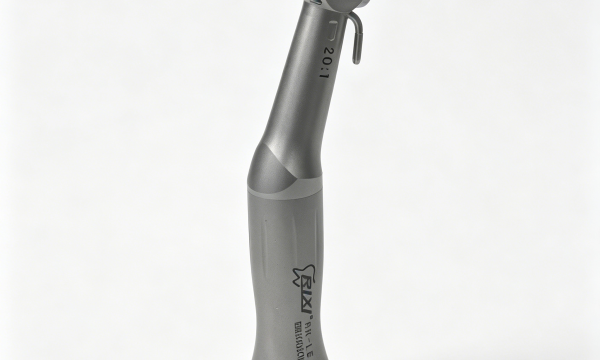
Choosing a dental handpiece oiling machine is only the first step. Before the unit enters routine use, the clinic or distributor must confirm that the delivered configuration matches the order, that the required adapters and utilities are present, and that staff receive usable documents. A structured acceptance check prevents an apparently complete package from reaching the maintenance bench with missing connections, an unapproved lubricant, or no clear service route.
This guide is for procurement teams, clinic managers, distributors and project coordinators receiving an automatic handpiece maintenance unit. It covers commercial and operational acceptance, not a clinical processing protocol. Cleaning, lubrication, inspection and sterilization must follow the current instructions for each handpiece, the maintenance device and the clinic’s approved procedures.
Freeze the ordered configuration before delivery
Start with a one-page configuration record attached to the purchase order. Identify the exact machine model, voltage and plug arrangement, supplied handpiece connections, optional adapters, lubricant delivery format and any air-supply requirement. Add the agreed language for manuals and labels, the accessory list, packaging requirements and the party responsible for installation or commissioning.
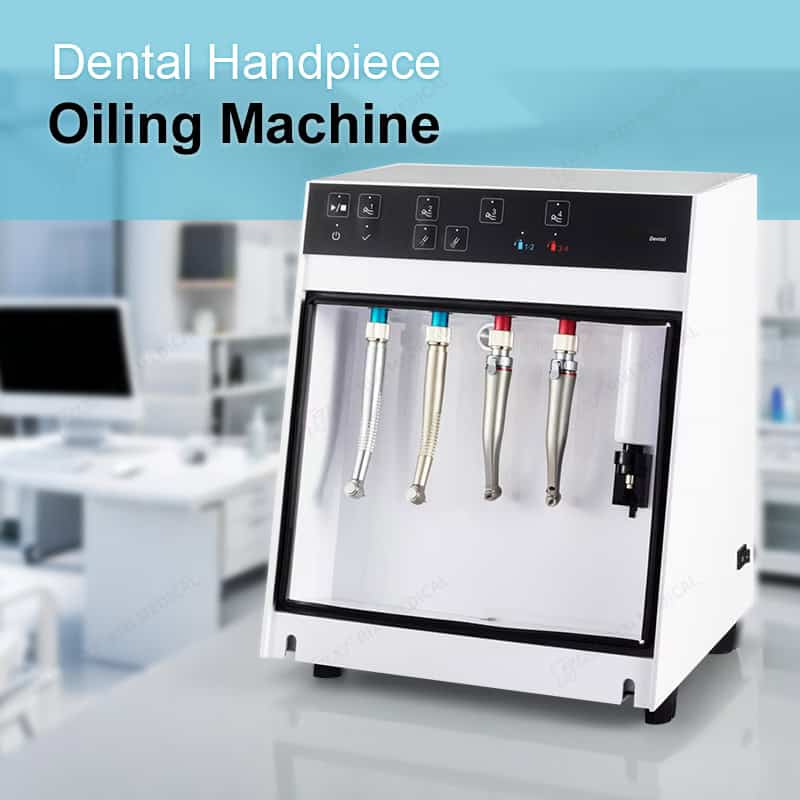
A product family name or catalogue image is not enough. The acceptance team needs a document that can be compared with the nameplate, cartons and accessories actually received. For the RIXI dental handpiece oiling machine, request the current specification and packing list for the quoted configuration. Any photograph should be treated as an illustration until the supplier confirms what is included.
Keep this receiving document separate from the broader oiling machine comparison guide. Comparison supports the purchase decision; acceptance proves whether the delivered order matches that decision.
Use a receiving inspection that protects the evidence
Record the condition of the outer cartons before opening them. Note shipment identifiers, visible impact or moisture damage, and any discrepancy in package count. After unpacking, retain labels and take clear photographs of the machine, nameplate, connectors and accessories. If damage or a mismatch is found, hold the affected item for review instead of attempting an improvised repair.
Check the machine housing, lid or door movement, connection ports, tubing, bottles or reservoirs, power cord and removable parts. Confirm quantities against the packing list. Small adapters are easy to overlook, yet their absence can make a complete-looking unit unusable with the clinic’s handpiece fleet.
| Acceptance area | Evidence to record | Reason it matters |
|---|---|---|
| Model identity | Nameplate, model reference and serial or batch identifier where supplied | Links the unit to manuals, service enquiries and the purchase record |
| Electrical configuration | Rated input, plug and ordered voltage | Prevents installation based on a catalogue assumption |
| Connections and adapters | Type, quantity and labelled purpose | Confirms that the ordered handpiece mix can be evaluated |
| Consumable interface | Reservoir, bottle or delivery arrangement and supplier reference | Supports traceable lubricant purchasing |
| Physical condition | Photos of housing, controls, ports and packaging | Creates a clear baseline before commissioning |
| Documents | Manual revision, packing list and service contact | Makes handover usable after the installer leaves |
Verify the site and utilities before powering the unit
Compare the installation location with the supplier’s current requirements. Confirm bench dimensions, lid or door clearance, access for refilling and cleaning, cable routing, ventilation and service space. If the configuration uses compressed air, obtain the required pressure, flow and air-quality information for that exact unit; do not copy values from another model.
The planned location should also fit the clinic’s instrument flow. The separate handpiece maintenance station planning guide covers zoning, cabinetry and contractor handover in more detail. Nearby dental storage cabinetry may help organize accessories, but the final layout must keep the work sequence, cleaning access and service clearance clear.
Do not power or connect a unit when the delivered electrical information conflicts with the site supply, when transport damage is unresolved, or when required installation instructions are missing. Escalate the discrepancy to the supplier and document the resolution.
Run a controlled functional acceptance check
Functional acceptance should use the supplier’s instructions and an agreed test plan. Confirm that staff understand the controls, connection sequence, lubricant loading method, cycle indications and shutdown steps. Check that removable parts can be accessed and reinstalled as described, and that the unit remains stable during normal handling.
Use identified sample instruments or test pieces only when the relevant instructions permit it. The acceptance record should name the handpiece model and adapter used, the lubricant reference, the observed cycle result and any unresolved issue. A connector that fits physically does not prove that the handpiece, lubricant and machine combination is approved.
Observe the work area for leakage, excessive residue, loose tubing, abnormal noise or an error indication. Avoid inventing pass/fail limits. Where the manufacturer provides an acceptance method, follow that method; otherwise ask the supplier to define the evidence required for sign-off.

Separate lubricant approval from machine acceptance
A working cycle does not establish that every lubricant is suitable. Record the exact consumable reference, container format and applicator arrangement supplied for the unit. The dental handpiece lubricant compatibility guide explains how to document formulation, delivery method and substitution controls.
If the distributor proposes a replacement bottle, reservoir oil or adapter, require written confirmation for the exact machine and handpiece combination before changing the approved record. Safety documentation addresses handling and transport; it does not replace compatibility instructions.
Complete the service and document handover
Acceptance is incomplete when the machine operates but nobody owns the records. The handover pack should contain the ordered configuration, final packing list, current manual, installation notes, consumable reference, adapter map, cleaning instructions, service contact and the acceptance record. Identify who approves future substitutions and who keeps the document set current.
For distributors, record spare or replaceable accessories separately from the initial package. Ask how missing adapters, damaged tubing, removable covers or other service parts are identified and ordered. Do not promise a warranty period, repair turnaround or parts availability unless the supplier has confirmed it in writing for the transaction.
- Order and delivered configuration match.
- Nameplate and electrical information are recorded.
- Connections, adapters and consumable interface are identified.
- Site clearance and utilities match the current instructions.
- Controlled functional checks are documented.
- Open issues have an owner and target resolution.
- Manuals, service contacts and repeat-order references are handed over.
Frequently asked questions
Can a clinic accept the machine if one optional adapter is missing?
Only after the buyer confirms that the delivered package still matches the order or records an agreed corrective action. Do not mark the order complete while a required adapter remains unresolved.
Does a successful cycle prove compatibility with every handpiece?
No. Compatibility must be confirmed for each relevant handpiece, adapter, lubricant and machine configuration using current supplier or manufacturer instructions.
What should be photographed during receiving?
Record the cartons, machine condition, nameplate, connection points, supplied adapters, consumable interface and any damage or discrepancy. Keep the images with the acceptance record.
Should the oiling machine be accepted together with an autoclave?
They may be part of one processing-room project, but each device requires its own specification, installation and acceptance evidence. Review dental autoclave equipment separately.
Reviewer and scope note: This article provides general procurement and handover guidance. It does not replace the current instructions for the maintenance unit, handpieces, lubricant or sterilization equipment, nor locally approved clinical procedures.
RIXI Medical supplies dental handpiece equipment for clinic and distributor projects. Request the current machine specification and packing list, and include the exact handpiece models and connections that the acceptance team needs to verify.
Need Dental Equipment Pricing or Configuration Details?
Contact RIXI Medical for model comparison, distributor pricing, packaging information, OEM/ODM requirements and after-sales support.
Request Product Information