A distributor can lose track of a handpiece repair before the service provider opens the parcel. Several instruments arrive in one box, the customer reports only “not working,” and the paperwork names a product family rather than the individual unit. A controlled return record prevents those gaps from becoming a dispute about identity, authorized work or missing accessories.
This guide covers the commercial and equipment handover for dental handpiece repair returns. It helps clinics, dealers and procurement teams agree what is being sent, who may authorize work and what evidence should come back. The service provider’s current acceptance instructions govern the return; this article does not prescribe diagnosis, repair or instrument processing.
Obtain return instructions before arranging transport
Contact the intended service provider with the manufacturer, exact model, available serial or batch identifier and a short description of the observed problem. Ask whether it accepts that product and which return reference, form, documents and accessories it requires. Confirm the receiving address and contact from the provider’s current response rather than an old parcel label.
A supplier enquiry is not automatically an authorization to ship. Keep the provider’s acceptance and any restrictions with the case. If the distributor is acting between a clinic and a repair centre, identify who owns communication at each stage so neither party assumes the other has approved the return.
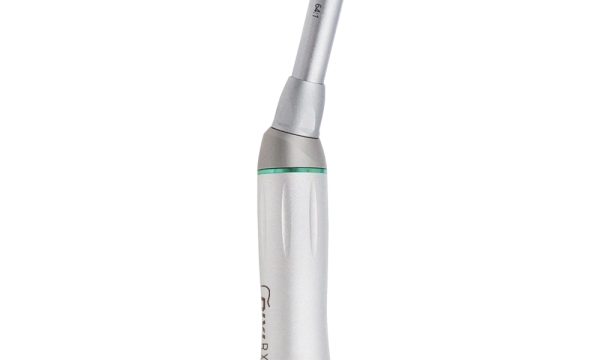
The dental handpiece range helps identify a family for an initial enquiry. The actual instrument record must still identify the unit being returned. A catalog description cannot substitute for an unreadable marking; explain the missing evidence and ask the service provider how to proceed.
Create one identity row for every instrument
Assign a case reference to each instrument or to each clearly identified line within a multi-item return. Link it to the clinic’s asset reference, supplier model and available manufacturer identifier. Retain the original complaint, purchase reference and relevant earlier service record. Keep patient information out of the ticket and photographs.
Describe what was observed, when it occurred and the instrument’s current status under the clinic’s procedure. Distinguish an observation such as an unusual sound from a conclusion such as a failed bearing. Purchasing staff should not request repeated operation, dismantling or an improvised test simply to make the complaint more detailed.

For several clinics, keep the sender and intended return recipient explicit. An item should not acquire a new identity merely because it passes through a dealer’s warehouse. Use the bulk-order configuration record to reconcile the original supplied variant when necessary.
Agree the processing and contents requirements with the recipient
Ask the recipient for its current requirements for accepting a used instrument and the declaration or evidence it expects. The clinic’s responsible personnel should reconcile those requirements with the applicable manufacturer instructions and local procedures. Do not ship an item with unresolved status or describe it as processed merely because it looks clean.
The handpiece processing-document review explains why instructions must match the exact model. It does not establish a universal return-shipping process. If the provider’s acceptance wording is unclear or appears inconsistent with the device instructions, obtain clarification before dispatch.
Confirm whether the provider needs the handpiece alone, its coupling or another accessory. Inventory each agreed item separately and record visible condition without opening equipment. Avoid adding unrelated accessories, consumables or tools “just in case.” Unrequested contents can become difficult to associate with the correct case.
| Return record | Detail to agree | Evidence to retain |
|---|---|---|
| Instrument | Model, available identifier and clinic asset reference | Accessible markings and original order reference |
| Acceptance | Recipient, address, return reference and required declaration | Current written return instructions |
| Contents | Each instrument and requested accessory | Itemized list and condition photographs |
| Work authority | Estimate, approval contact and scope limits | Written approval linked to the case |
| Closure | Work report, returned contents and unresolved conditions | Receipt and responsible release record |
Make the packing list and parcel tell the same story
Follow the recipient’s packing instructions and confirm applicable carrier requirements. Keep individual items identifiable and protected against movement using the agreed method. Record which case references belong in each parcel, and keep shipment tracking with the dispatch date and item list. Photograph the packed contents where the local procedure permits.

The box shown on the non-LED contra-angle product listing is a product image, not a return-packing instruction. Ask what packaging is appropriate for the actual item, condition and route. Cross-border returns may need additional shipping documentation; have the carrier and relevant qualified adviser confirm it.
Retain a copy of the return form outside the parcel record as well as any copy the recipient requests inside. If a shipment is split, update both lists before dispatch so a service centre is not searching for an instrument that is travelling separately.
Set an approval boundary for inspection and further work
Clarify whether the request is for an assessment and estimate, a specifically approved repair, or another defined service. Identify the person who can approve additional work. Ask how inspection charges, declined repairs, transport and unrepairable items are handled, without assuming a standard charge or warranty outcome.
For a dealer managing returns from several clinics, confirm who receives the estimate, who is responsible for payment and whether the clinic or dealer approves further work. Keep those roles separate from the service provider’s technical recommendation. A quote sent to the wrong contact can leave a parcel waiting without an authorized decision.
When an estimate arrives, reconcile its instrument identifier and work scope with the original case before approval. Record any proposed replacement instead of a repair as a separate decision. Avoid accepting a substitute solely because it looks similar to the instrument sent.
Reconcile the returned parcel before closing the ticket
Check the returned instrument and accessories against the dispatch inventory and service report. Retain the provider’s findings, authorized work, changed-part references where supplied, applicable check record and any open conditions. Raise identity or contents discrepancies before the case is marked complete.
The clinic’s responsible personnel decide the applicable receiving, processing and release steps before clinical use. A completed repair invoice does not by itself put the item into ready stock. Update the rotation and reserve inventory record only when the corresponding status is supported.
RIXI Medical is a dental equipment manufacturer and supplier based in Foshan, China. Its technical support channel provides a route to ask about model identification, available documents and the applicable service contact.
Frequently asked questions
Can several handpieces share one return reference?
Ask the recipient. Even if one shipment or form covers several items, keep an individual identity and contents row for each instrument.
Should the coupling be sent with the handpiece?
Send it only when the recipient requests or approves it. Record its identity and condition separately and retain the agreed contents list.
Does a purchase invoice guarantee warranty repair?
No. It can support a claim, but coverage and the service decision depend on the applicable written terms and provider assessment.
When can a repaired instrument return to available stock?
After the responsible clinic team completes the applicable receipt, processing and release requirements. Keep the supporting record with the service case.
Scope: General return administration and procurement guidance. Follow current manufacturer, recipient and carrier instructions and obtain qualified advice for processing, technical and destination requirements.
Send a model-specific service enquiry with the instrument identifier, purchase reference and available return instructions.
Need Dental Equipment Pricing or Configuration Details?
Contact RIXI Medical for model comparison, distributor pricing, packaging information, OEM/ODM requirements and after-sales support.
Request Product Information