A clinic can replace cabinetry, flooring and lighting while keeping its existing dental chairs. That does not make the equipment a passive piece of furniture during the works. Someone must identify what stays, document its starting condition and decide who is responsible when construction interfaces with the chair and its utilities.
This guide covers renovation coordination for retained equipment, not a reported clinic case study or a claim about patient numbers, revenue or treatment outcomes. It is intended for owners, procurement teams, contractors and equipment suppliers planning the handover between building work and equipment service.
Make “retain existing” a defined equipment scope
Prepare an asset record for each room: chair identity, supplied configuration, attached accessories, available manuals and current service contact. Record whether the chair stays in place, needs temporary removal or requires a decision after qualified assessment. An instruction on a building plan saying “existing chair retained” leaves too much unspecified.
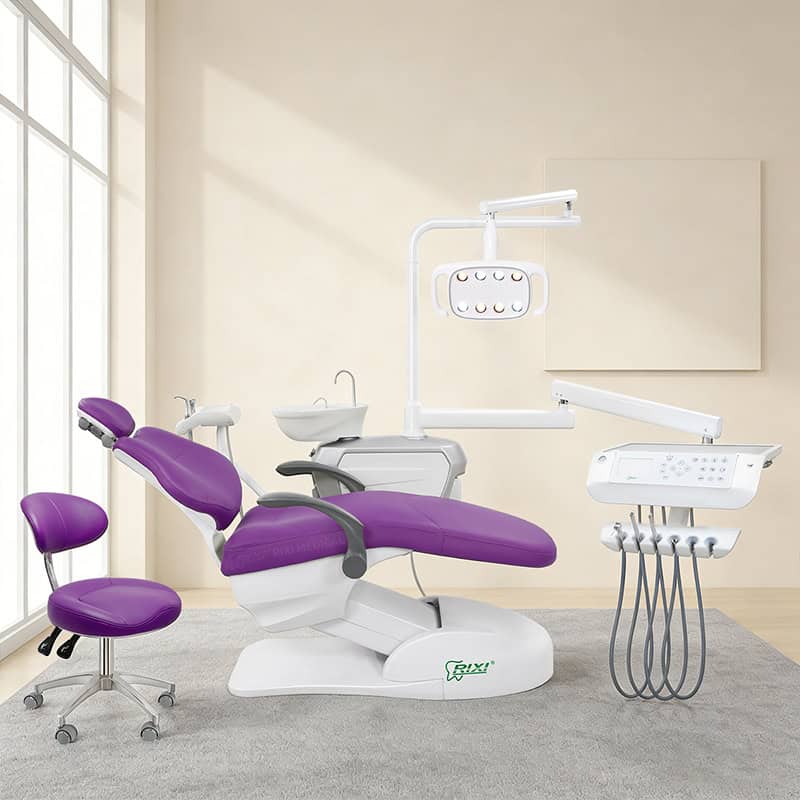
Identify the delivery console, light, cuspidor, foot control, monitor and other components actually present. A manufacturer listing such as the R3 hanging-delivery configuration can help describe an arrangement, but it cannot establish the condition or installed options of a clinic’s existing unit. Match the project record to the physical asset.
Agree who owns each interface
Separate building work from equipment work before accepting a contractor’s scope. General fit-out responsibility should not be mistaken for permission to disconnect utilities, move an assembled chair or alter its controls. Ask the equipment supplier and appropriately qualified local providers to define the permitted work and required review.
| Interface | Responsibility to clarify | Handover evidence |
|---|---|---|
| Equipment condition | Who records existing concerns before access is given? | Asset-linked photographs and an issue list. |
| Disconnection or movement | Who is qualified for the selected model and utilities? | Agreed scope and applicable equipment instructions. |
| Building protection | Who proposes and reviews separation, storage and access arrangements? | Project protection plan and named reviewer. |
| Changed room interfaces | Who checks new cabinetry, floor finishes and utility locations? | Coordinated drawing and resolved technical questions. |
| Return to use | Who completes equipment checks and the clinic’s relevant approvals? | Completion records with outstanding items clearly stated. |
The table allocates decisions; it does not specify a technical procedure or authorize rooms to remain in clinical operation during construction. The clinic and its qualified advisers must decide the conditions under which services and building work may proceed.
Record pre-existing condition without guessing its cause
Photograph accessible external surfaces, upholstery, controls, adjacent finishes and the installed arrangement before the contractor takes possession of the work area. Use the room and asset identifier so records cannot be confused between similar chairs. Keep patient information and other unnecessary personal details out of the photographs.
Describe observations neutrally: a loose external trim, a marked covering or an unresolved reported fault. Do not convert a photograph into a diagnosis or imply that an earlier issue is harmless. Ask the appropriate service provider to assess concerns that affect the proposed work.
Agree how newly reported damage will be documented and escalated. Keep the condition record available to the relevant parties rather than relying on a general renovation photograph that does not show the affected component. It should be possible to understand what was observed, when and by whom without reconstructing a message thread.
Review the protection and movement proposal before work starts
Ask how the project will address construction dust, debris, moisture, contractor access and the equipment manufacturer’s storage or protection limitations. This article does not recommend a generic wrapping material, lifting point or temporary storage condition. Those details need review for the actual chair and work environment.
If movement is necessary, obtain the applicable handling information and a qualified provider’s plan. Identify accessories, documents and separately packed items so they remain linked to the correct asset. Do not assume that wheels, a visible arm or a sturdy-looking cover provide an acceptable handling point.

Check what changed around the retained chair
A chair can stay in the same location while its surroundings change substantially. New drawer fronts, thicker floor finishes, a revised counter or relocated outlets may affect access and movement. Have the responsible designer and equipment provider review the affected interfaces instead of assuming that unchanged chair coordinates mean unchanged conditions.
Show working and parked positions on the coordinated room drawing where relevant. Keep service-panel access and the future removal route visible to the design team. For equipment that is disconnected or reinstalled, use the site-readiness and installation handover guide with the current model instructions; the present page does not replace that technical process.
Changes to finishes also deserve their own approval. The dental chair materials checklist helps identify the supplied surfaces. Any proposed cleaning product or restoration method should be assessed through the surface-care compatibility review, not selected simply because it removes marks from another material.
Keep phased works tied to individual assets
For a project involving several rooms, record the handover state of each chair separately. One room may be awaiting contractor access while another awaits an equipment provider’s review. A project-wide message saying “chairs complete” can hide those differences. Use clearly defined administrative states and identify the person responsible for the next handover.
Confirm the required access windows with the actual providers before the clinic makes scheduling assumptions. This guide does not estimate downtime or installation hours. If a delivery, missing document or additional service finding changes the sequence, update the affected asset record and notify the named coordinator.
Keep approvals specific: acceptance of one room or one chair should not be copied to another merely because the floor plans or model names look similar. The clinic retains responsibility for its own operational decisions.
Close the renovation with two connected records
Keep the building completion record separate from the equipment handover. The first should identify the agreed works and remaining defects. The second should identify what happened to each retained chair, any service work and the checks or documents required by the responsible qualified parties. A clean-looking room is not evidence that every equipment interface has been accepted.
Record unresolved concerns and name the next owner. Update the room location, configuration and service information where necessary. The chair maintenance planning guide provides the longer-term ownership framework once the project record has been transferred back to the clinic.
Questions before contractor handover
Does keeping the chair in place avoid an equipment review?
No. Review any changed access, utility or surrounding furniture interface with the appropriate parties, even when the chair itself has not moved.
Can a before-and-after photograph prove improved performance?
No. Photographs can document appearance and visible condition. They do not establish clinical outcomes, productivity gains or technical acceptance.
Who should decide whether an existing fault affects the works?
Use the appropriate qualified equipment provider and clinic decision makers. Record their assessment rather than asking the fit-out contractor to diagnose an unfamiliar unit.
What should be kept after the room is returned?
Retain the initial condition record, agreed work scope, relevant technical completion documents, changed drawings and open-item closure with the asset record.
Scope: General asset and contractor coordination, not construction safety instructions, disconnection procedures, clinical authorization or a model-specific installation specification. Use qualified local professionals and applicable manufacturer instructions.
RIXI Medical is a dental equipment manufacturer and supplier in Foshan, China. Through its technical support route, request available model documents and clarify the equipment-side handover scope before committing to renovation work around a retained unit.
Need Dental Equipment Pricing or Configuration Details?
Contact RIXI Medical for model comparison, distributor pricing, packaging information, OEM/ODM requirements and after-sales support.
Request Product Information