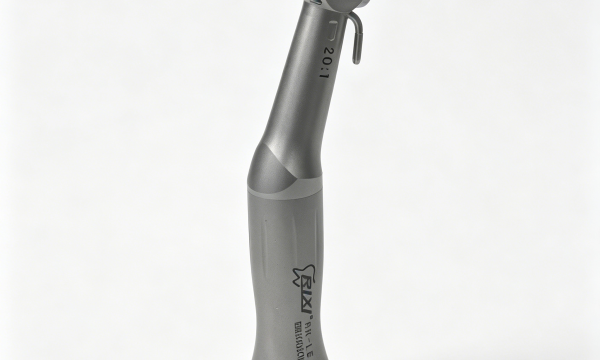
“Surgical handpiece versus high-speed handpiece” is not a complete purchasing comparison. Surgical describes an intended application, while high-speed describes an operating characteristic. A quotation needs to identify the actual instrument family and its permitted system—not simply choose between two labels.
For procurement, separate three questions: what the manufacturer intends the instrument to do, how it is driven, and which documented configuration is being supplied. This guide supports specification review, not clinical selection or operating settings. Begin with the dental handpiece range, then have qualified professionals review the exact product instructions for the intended application.
Why speed labels cannot establish surgical suitability
A high-speed listing may describe an air turbine or a motor-driven speed-increasing attachment. Those are different drive arrangements. Similarly, a surgical product family may include different straight or contra-angle configurations and transmission ratios. The shape, color band or maximum advertised speed is not sufficient to identify the intended use.
Manufacturer documentation illustrates the distinction. NSK’s surgical-handpiece instructions identify an electronic micromotor and defined surgical applications for the products covered by that manual. This is an example of model-specific documentation, not evidence that another manufacturer’s instrument shares those indications or interfaces.
A buyer should therefore ask for the exact model and applicable instructions before comparing headline specifications. If the requested application is outside the documented intended use, do not treat a different speed, an adapter or a similar appearance as permission to use it.

Compare complete systems rather than isolated handpieces
An air-turbine enquiry should identify the delivery-unit connection and coupling, together with the required air, water and illumination arrangement. For a motor-driven attachment, identify the motor, control unit, handpiece connection and applicable transmission configuration. Record any separate irrigation equipment and supplied accessories where relevant.
As another documentation example, the W&H Alegra turbine range distinguishes connection and lighting variants. Its specifications belong to those models; they should not be copied into a RIXI request or used as a universal turbine standard.
Use the existing high-speed handpiece comparison guide when comparing models within that family. The separate low-speed motor compatibility guide addresses proposed motor-and-attachment pairings. Neither comparison, by itself, approves a product for a surgical application.
| Purchasing field | Evidence to request | What not to infer |
|---|---|---|
| Intended use | Instructions naming the exact model and applicable use | “Surgical” in a seller’s title proves suitability |
| Drive arrangement | Turbine or motor-driven identity and system components | All high-speed instruments use the same drive |
| Transmission and limits | Current model specification and compatible system documentation | A ratio marking proves complete compatibility |
| Instrument retention | Permitted bur or drill specification and chuck instructions | Similar head shapes accept the same instruments |
| Cooling and illumination | Connection drawings, supply arrangement and included parts | A light or visible tube defines the full package |
| Maintenance and processing | Current instructions for each supplied component | One oiling or sterilization method suits all families |
Separate speed, torque and the displayed value
Ask what each quoted value describes: the motor, the handpiece output or another measurement point. Request the stated conditions and the applicable document. An input figure, an unloaded-speed figure and an output specification should not be placed in one comparison column as though they were equivalent.
Where a system uses a ratio setting, torque-related function or verification procedure, the responsible qualified reviewer should check the instructions for the complete combination. Procurement should keep the accepted configuration and supporting records; it should not derive treatment settings from a sales table.
A supplier’s statement that a device provides torque control also needs context. Identify the controlled component, supported accessories and documented verification process. The implant torque-control procurement checklist addresses that evidence without prescribing a clinical torque value.
Resolve cooling and instrument interfaces before approving a substitute
A proposed substitute should have its own review of the fluid connections, required supply, included tubing or fittings and any restrictions in the instructions. Do not assume that a chair’s spray arrangement and a separate surgical irrigation setup are interchangeable. Obtain the actual configuration drawing and define which components arrive with the order.
Likewise, specify the accepted bur or drill interface through the current model documentation. Avoid buying a substitute solely because an instrument appears to enter the chuck. Any technical assessment should follow the manufacturers’ instructions and be performed by the appropriate personnel.
The separately listed 20:1 non-LED contra-angle can be used to request a specific specification pack. Its listing does not establish that a motor, controller or irrigation unit is included, or that it replaces any high-speed instrument.

Keep maintenance and acceptance documents family-specific
Request separate care and processing instructions for the handpiece, motor, coupling and other relevant components. Identify what is detachable and which instructions apply to it. Do not transfer an oil quantity, processing cycle or maintenance interval from another instrument family.
The handpiece autoclave-compatibility guide explains the purchasing-document review for processing coordination. It does not supply a universal cycle. Missing instructions remain a purchasing gap rather than a reason to use the nearest available manual.
For a sample order, distinguish receiving checks from technical and clinical evaluation. Receiving staff can reconcile identifiers, accessories and documents against the order. Qualified reviewers must assess the intended system and permitted use. Record the configuration evaluated and do not expand a single accepted sample into approval for every related model.
Make the substitution decision traceable
For each offer, state whether it supplies a handpiece only, a handpiece-and-motor combination or a complete equipment set. List excluded components. Two prices cannot be compared fairly when one includes a controller and irrigation accessories while the other covers only an attachment.
If a supplier proposes a substitute, retain the originally requested model beside the proposed model. Record the documents reviewed, unresolved differences and the person responsible for each approval. Commercial acceptance of a price is not technical acceptance of a new drive system or an additional clinical indication.
Keep rejected and unresolved proposals distinguishable from the released order. This prevents a warehouse or later purchasing team from treating an unapproved alternative as an accepted replacement merely because it appeared in the same quotation thread.
Frequently asked questions
Is every surgical handpiece a low-speed handpiece?
The label alone does not define one speed class or drive arrangement. Review the exact instrument’s intended use, transmission and permitted system.
Can a high-speed turbine replace a surgical instrument?
Do not infer interchangeability. The exact manufacturer instructions and qualified review must establish suitability for the intended application and system.
Does a 20:1 marking prove motor compatibility?
No. Confirm the motor, connection, control arrangement, operating limits and required accessories for that specific combination.
What should accompany a comparison enquiry?
Provide the requested model, existing system identifiers, intended application for qualified review, accessory scope and required documents. Keep unresolved compatibility questions visible.
Scope: General equipment-procurement guidance, not clinical advice. The external manufacturer examples do not certify or specify RIXI products. Use current model instructions and qualified review.
RIXI Medical is a dental equipment manufacturer and supplier in Foshan, China. Request a model-specific handpiece specification pack rather than ordering from a speed label alone.
Need Dental Equipment Pricing or Configuration Details?
Contact RIXI Medical for model comparison, distributor pricing, packaging information, OEM/ODM requirements and after-sales support.
Request Product Information