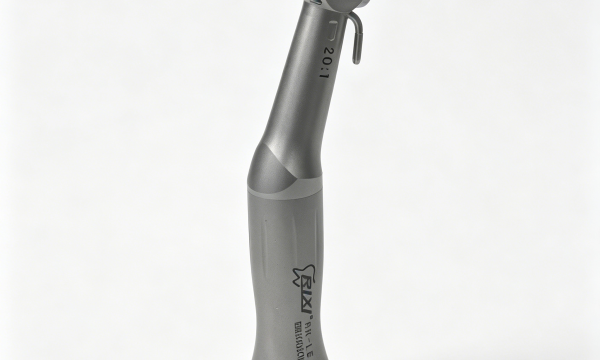
A dental implant torque-control device should be purchased as a documented system, not as an isolated handpiece. Procurement teams need to confirm the exact model, control method, compatible accessories, supplied documentation, verification process and service plan before acceptance. This guide explains what to request and how to structure a receiving test without prescribing clinical torque values or treatment decisions.

Start with the intended equipment role
The term “torque wrench” may refer to manual, mechanical or powered equipment with different interfaces and use instructions. A buyer should first define whether the purchase is a new standalone system, an accessory for an existing implant workflow, a replacement device or part of a distributor package. That decision determines which connections, accessories, service records and training materials must be checked.
Do not treat a torque display or selectable setting as evidence that a device fits every implant system or clinical protocol. Compatibility and use must be confirmed against the device manufacturer’s current instructions and the implant system information used by the responsible clinical team.
Request a model-specific document pack
A useful quotation identifies the model and revision, not only the product family. Ask the supplier to provide the current configuration sheet, operating instructions, accessory list, cleaning and processing instructions, maintenance requirements and available service parts. If the equipment includes software, a display or stored programs, record the version and language supplied.
| Buyer question | Evidence to obtain | Acceptance use |
|---|---|---|
| Which device is being quoted? | Model code, product images and revision-controlled specification | Prevents substitution with a similar-looking unit. |
| What is included? | Packing list with handpiece, cable, charger, adapters and tools as applicable | Supports complete shipment checking. |
| What can connect? | Interface drawings and compatible accessory references | Lets the clinical and technical teams review fit before ordering. |
| How is performance checked? | Manufacturer verification method, required fixtures and record format | Creates a repeatable acceptance and service process. |
| How is it maintained? | Cleaning, processing, inspection and service instructions | Helps the clinic plan ownership responsibilities. |
Separate displayed settings from verified performance
A control value shown on a screen or dial is a user input, not automatically proof of delivered output. The manufacturer should explain how the device is checked, which conditions affect the check and whether a specific test fixture or service interval is required. Procurement teams should record the method and responsible party rather than inventing a universal tolerance.
When a verification record is offered, confirm that it identifies the exact device or batch, the method used, the date, the equipment used for the check and the result format. If periodic verification is required, decide before purchase whether it can be performed locally, by the distributor or only by the manufacturer.

Check accessories as controlled components
Adapters, drivers, handpieces, cables, chargers and holders may appear interchangeable while differing in geometry, material, revision or permitted processing method. List every required accessory by item code where possible. For a replacement purchase, record the existing equipment model and the accessory identifier rather than asking for a visually similar part.
For each reusable component, obtain the manufacturer’s cleaning, disinfection, sterilization and inspection instructions that apply to that component. Procurement should not infer a process from another manufacturer’s accessory. Confirm who will replace worn components and how the correct revision will be ordered later.
Plan power, storage and chair-side workflow
If the equipment is powered, verify input requirements, charging method, battery or power-adapter identification, cable routing and the space needed for safe storage. Review where the device will be prepared, used, returned and processed. The location should protect connectors and allow staff to separate ready, used and quarantined items according to the clinic’s own procedures.
A distributor package should also define which items are consumables, which are service spares and which are demonstration accessories. This prevents a sales sample from being mistaken for the standard shipment configuration.
Receiving and functional acceptance checklist
- Match the model, serial or batch identifier and revision to the purchase order.
- Compare all supplied accessories with the approved packing list.
- Inspect the enclosure, display, connectors, cables and accessory interfaces for visible shipping damage.
- Confirm that the correct instructions and processing information are present.
- Power on and run only the manufacturer’s specified pre-use checks.
- Record any displayed errors, missing items or configuration differences before use.
- Quarantine discrepancies and agree a written resolution with the supplier.
- File the acceptance record with the device identity and responsible reviewer.
The implant instrument receiving inspection checklist provides a broader arrival workflow. Use the documentation and traceability guide for revision records, and the compatibility buyer guide when comparing interfaces and accessory evidence.
Service and ownership questions
- Which routine checks can trained clinic or distributor staff perform?
- Which faults require authorized service or return to the supplier?
- Are replacement cables, chargers, adapters and other wear items individually identified?
- How are firmware, instructions or accessory revisions communicated?
- What information must accompany a service request?
- How should the device be identified after repair or replacement?
Ask for written answers tied to the quoted model. Avoid treating a general warranty statement as a service plan; the buyer still needs a contact route, required records, parts identification and a process for equipment that cannot pass its prescribed check.
Frequently asked questions
Should buyers specify a universal torque setting in the purchase order?
No. The order should identify the equipment and its documented capabilities. Clinical settings depend on the applicable device and implant-system instructions and qualified professional judgment.
Is a digital display enough to prove accuracy?
No. Ask for the manufacturer’s verification method and the evidence needed at acceptance and during service.
Can third-party drivers or adapters be assumed compatible?
No. Confirm connection, intended use and processing requirements through current model-specific documentation.
What record should follow the device?
Keep the model and identifier, configuration, accessory list, instructions, acceptance result, maintenance history and service changes together.
Scope and review note
This article is general procurement guidance. It does not provide clinical treatment settings, medical advice or a substitute for the manufacturer’s instructions. Clinical use and local requirements must be reviewed by the responsible qualified professionals.
Review the electric dental implant torque wrench and the broader dental implant equipment category. To request the current model specification, accessory list and document pack, contact RIXI Medical with the intended market and existing equipment details.
Need Dental Equipment Pricing or Configuration Details?
Contact RIXI Medical for model comparison, distributor pricing, packaging information, OEM/ODM requirements and after-sales support.
Request Product Information