A front-loading dental autoclave can look correct in a catalogue while the door-seal evidence remains incomplete. This guide helps clinic owners, distributors and procurement teams define the model identity, inspection record and replacement references they should request before accepting a unit or repeat order.
The door assembly is one of the easiest parts of an autoclave to photograph and one of the easiest to describe too loosely. A quotation may show a front door, handle and gasket, yet omit the exact production revision, the seal reference or the evidence used during receiving and commissioning. The result is a weak equipment file: the buyer recognizes the machine but cannot confidently match a later service question to the approved configuration.
This is a purchasing and documentation guide. It does not provide a maintenance procedure, authorize disassembly or replace the manufacturer’s current instructions. Inspection, testing and service should follow the exact model documentation and be carried out by appropriately qualified personnel where required.
Start with the exact machine identity
Door seals, closure parts and housings can change between models or production revisions. Before comparing photographs or ordering a replacement, record the manufacturer, complete model designation, serial or production reference, electrical version and any configuration identifier used on the quotation. Link those fields to the approved product sheet and purchase order.
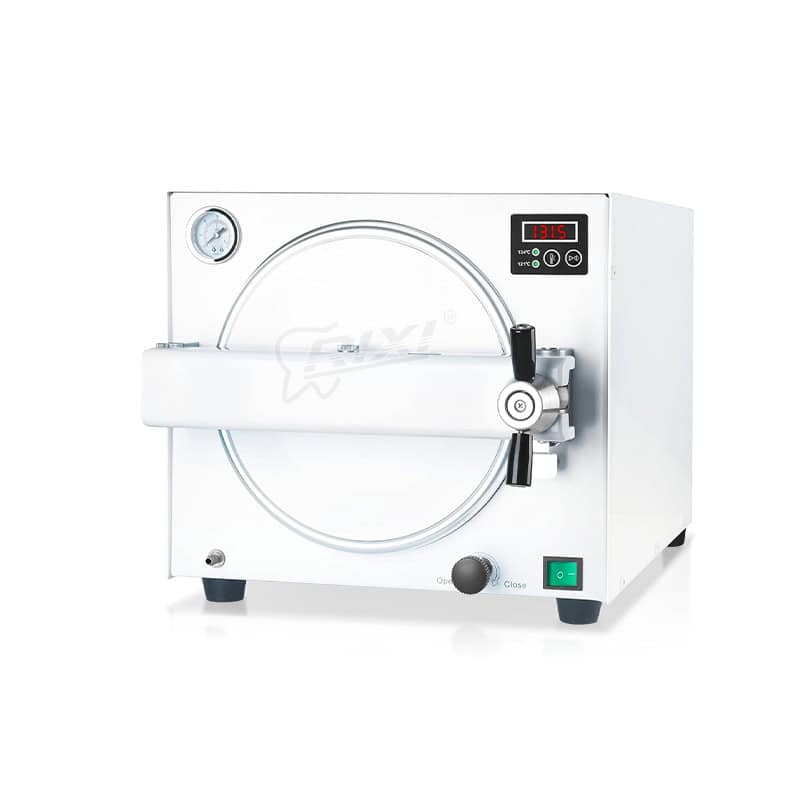
For example, the 18L front-door dental autoclave page shows the external format of one RIXI product. Buyers should still request the controlled specification for the quoted unit rather than treating a website image as the final production record. The broader autoclave sterilizer range also contains different formats, so “18L autoclave” alone is not a sufficient identifier.
Build a door-seal evidence set before approval
A useful evidence set is small enough to maintain and specific enough to answer later questions. Ask the supplier to provide a straight-on door photograph, an open-door view where permitted, a close view of the accessible sealing area, and the model or serial reference associated with those images. The record should state when the images were taken and whether they show a sample, the actual shipment or a general catalogue unit.
Keep the inspection language factual. Record visible condition, alignment, cleanliness and any observed damage without claiming that a photograph proves pressure retention or cycle performance. If operating evidence is required, define the approved test or commissioning record separately. A visual check and a completed operating check are different forms of evidence and should not be collapsed into one “passed” label.
What a receiving team can document
Receiving staff can record the package condition, model identity, supplied accessories and visible door-area condition before the equipment is moved into position. They can note cuts, deformation, loose items, missing labels or impact marks and attach photographs to a discrepancy register. They should not open protected housings or improvise adjustments unless the current instructions and assigned responsibilities expressly allow it.
The autoclave delivery inspection checklist covers the wider receiving process. Door-seal observations should be one traceable part of that record, not an informal message that becomes separated from the shipment identity.
Separate appearance, closure and operating evidence
| Evidence layer | Useful record | What it does not prove |
|---|---|---|
| Identity | Model, serial or production reference, order line and dated photographs | That the unit is ready for routine operation |
| Visible condition | Accessible sealing surface, gasket appearance, handle and surrounding housing | Pressure performance or program suitability |
| Closure check | Model-specific commissioning entry completed under the current instructions | Performance of every future cycle |
| Service reference | Controlled part reference, revision and authorized replacement route | That a visually similar part is interchangeable |
This separation protects both buyer and supplier. A distributor can show what was inspected without overstating the result, while a clinic can route a later technical question to the correct evidence. It also helps procurement compare offers: one supplier may provide only catalogue photographs, while another can define the shipment-specific inspection and service records included in the package.
Treat the gasket as a controlled service item
A seal should not be reordered from appearance or nominal chamber volume alone. Ask for the exact orderable reference, compatible model or revision range, supplied quantity and any storage or replacement instructions issued by the manufacturer. If the proposed part is a substitute, request written confirmation of the substitution and retain both the former and current references in the equipment file.
The same principle applies to other closure components. A handle, latch component or surrounding part may look similar across product versions while differing in fit or approved use. The autoclave spare-parts identification guide explains how model records and controlled references reduce this uncertainty.

Coordinate the door record with the installation file
The door must remain usable in the proposed location, but door-seal evidence should not become another version of a room-layout article. Cabinet and counter coordination belongs in the project drawing set. The autoclave cabinet drawing approval guide addresses installed, operating and maintenance envelopes in more detail.
For the door record, retain only the installation facts that affect identification or access: the final location, nearby obstruction noted during handover, and the model-specific service route. Broader preventive-maintenance scope belongs in the autoclave service agreement review. This keeps each document useful instead of repeating the same general checklist.
Close the purchase with a traceable handover
Before final acceptance, reconcile the ordered model, delivered identity, door-area photographs, accessory list, commissioning record and open discrepancies. Assign an owner for unresolved items and record the supplier response rather than replacing the original observation. If a seal or closure part is changed before handover, add the part reference, reason, date and person or organization responsible for the work.
RIXI Medical works with distributors and project buyers from its dental equipment manufacturing base in Foshan, China. Buyers evaluating a front-door autoclave can request model-specific specifications and available product documentation through technical support. The exact supply scope should be confirmed in writing for the proposed configuration and destination.
Frequently asked questions
Can a product photograph confirm that the door seal is acceptable?
No. A photograph can document identity and visible condition, but it cannot by itself establish operating performance. Keep visual evidence separate from any model-specific commissioning or test record.
Can a gasket be ordered using only the chamber capacity?
That is not a reliable basis. Use the exact model, production or serial reference and the manufacturer’s controlled part identification. Confirm substitutions in writing before ordering.
Should receiving staff adjust the door if it appears misaligned?
Receiving staff should document the observation and follow the assigned escalation route. Adjustment or disassembly should be handled only under the current product instructions and by appropriately qualified personnel where required.
What should a distributor retain for repeat orders?
Retain the approved configuration, model and revision identifiers, dated shipment evidence, controlled seal or closure-part references, unresolved discrepancies and the final handover record. Update the baseline when an approved change occurs.
Send the model, quantity, destination and the documents your purchasing team needs through the RIXI Medical enquiry page. Ask for specifications and available door, accessory and service references for the proposed configuration.
Need Dental Equipment Pricing or Configuration Details?
Contact RIXI Medical for model comparison, distributor pricing, packaging information, OEM/ODM requirements and after-sales support.
Request Product Information