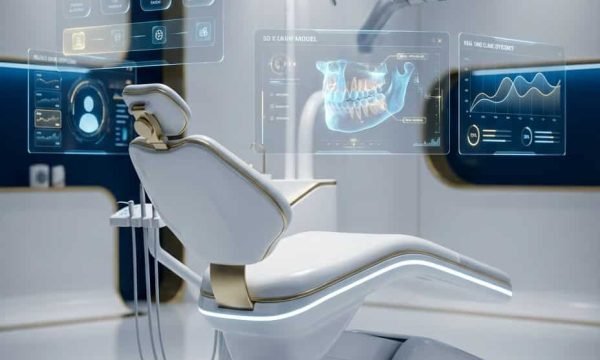
While a general practice requires a versatile “jack-of-all-trades” dental chair, specialty practices have unique workflows and patient needs. Using a standard chair in a specialized environment can lead to inefficiency and compromise both practitioner ergonomics and patient comfort. Choosing dental chairs for specialists is about finding a tool perfectly honed for a specific job.
As a manufacturer, we recognize these distinct needs. Here’s a look at what different specialists should look for in their core piece of equipment.

For the Pediatric Dentist: Building Trust and Comfort
The goal is to create a non-intimidating, safe, and fun environment.
- Smaller Scale: A chair with a smaller profile is less overwhelming for a child.
- Friendly Aesthetics: The ability to choose bright, cheerful upholstery colors can make a huge difference in a child’s perception of the clinic.
- Quick & Quiet Movement: Smooth, fast adjustments minimize the time a restless child has to wait.
- Durable Materials: Upholstery must be tough enough to withstand scuffs, spills, and rigorous cleaning protocols.
For the Orthodontist: Efficiency in Motion
Orthodontic practices are typically high-volume, with rapid patient turnover. The chair must facilitate this pace.
- Open Design: A chair with a slim profile and no bulky attachments allows for easy patient entry and exit.
- Simplified Functionality: Orthodontists often need a simpler chair—primarily for positioning—without a complex delivery system. This is often an “open bay” concept.
- Upright Positioning: A strong, stable upright position is essential for consultations, photos, and impressions.
- Easy Cleaning: Smooth surfaces are crucial for quick wipe-downs between patients.
For the Oral Surgeon & Implantologist: Precision and Power
The surgical suite demands stability, precision, and complete control.
- Robust Stability: The chair must be exceptionally stable with a heavy-duty base to prevent any movement during delicate procedures.
- Programmable Surgical Positions: Highly precise, programmable controls, often foot-activated to maintain sterility, are a must.
- Superior Access: A thin backrest and articulating headrest are critical for providing clear access and sightlines to the entire oral cavity.
- Compatibility: The chair must easily integrate with surgical motors, irrigation systems, and specialized lighting.

The Right Partner for Your Specialty
Choosing the right dental chair is about understanding the nuances of your daily work. The ideal chair feels like a natural extension of your skills, enhancing your efficiency and improving outcomes. Partnering with a manufacturer who understands these differences is key.
Tell us about your practice. We can help you configure the perfect chair for your specialty.