An autoclave can remain in a clinic for years while its purchasing documents, installation notes and service records scatter across email, paper folders and different staff accounts. When a replacement part, relocation or service quotation is needed, the buyer may know the machine is “18 litres” but not which exact configuration was supplied.
A dental autoclave asset register solves a procurement problem: it connects one physical machine to the documents and decisions that belong to it. This guide shows clinic owners, distributors and equipment managers what to record, who should maintain it and how to keep later changes traceable. It is an equipment-record framework, not a sterilization procedure or technical service manual.
Give every machine one stable identity
Start with an internal asset number that stays with the physical unit. Link it to the manufacturer, exact model designation, serial or batch identifier where supplied, purchase order, supplier and delivery date. Photograph the nameplate and the complete exterior so staff can distinguish the machine from similar units.
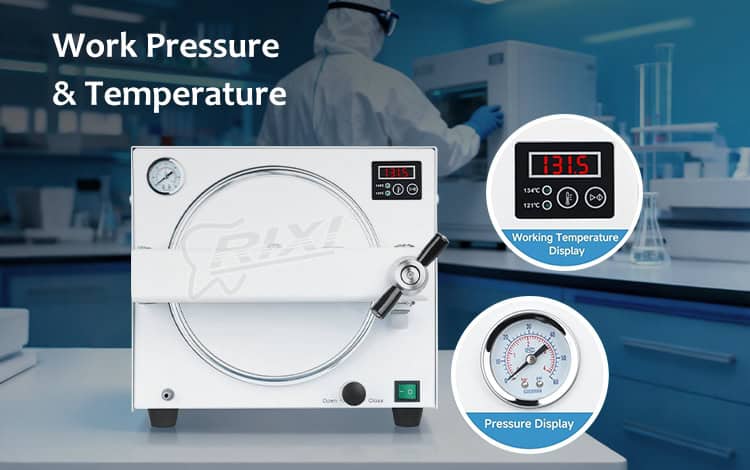
Do not use chamber capacity as the identifier. Two products described as 18L may have different controllers, electrical versions, racks, accessories or service parts. The 18L front-door dental autoclave and the 18L tabletop autoclave with LED display illustrate why the record should name the actual model and quoted configuration rather than relying on volume alone.
Record the approved configuration as a baseline
The register should show what was approved, not just what is visible today. Attach or reference the quotation revision, approved product sheet, electrical version, supplied rack and trays, external accessories, language of documents and any private-label details. Mark optional items separately from the base machine so a later buyer can see whether an item was omitted, purchased separately or lost from the file.
If the configuration changes between sample approval and a production order, preserve both versions and the written approval. The separate autoclave specification change-control guide explains how to compare revisions. The asset register should point to that evidence instead of overwriting the original baseline.
| Register field | Evidence to link | Owner |
|---|---|---|
| Machine identity | Model, identifier, nameplate and exterior photographs | Equipment manager |
| Approved configuration | Quotation, product sheet and accessory schedule | Procurement |
| Installed location | Room, counter position and current site drawing | Clinic or project lead |
| Document set | Manual titles, languages and revision dates | Document owner |
| Service history | Case number, findings, parts and closure record | Service coordinator |
| Approved changes | Change request, decision and updated baseline | Named approver |
Index documents by title and revision
A folder labelled “autoclave manual” is not enough when several files have similar names. List each document by title, language, issue or revision date where shown, source and the model it covers. Include installation information, operating instructions, accessory references and supplier handover records that were actually provided for the purchased unit.
Keep commercial claims separate from controlled instructions. A product page or catalogue can support initial selection, but staff should follow the current documents supplied for the exact machine. Requirements vary by model and destination, so the responsible buyer should also record which local professional or authority reviewed site-specific obligations.
If files are replaced, archive the superseded version rather than deleting it. Record the date the new document entered use and who approved the change. This makes it possible to understand which information was available when an earlier decision was made.
Connect service events without turning the register into a diagnosis
For each reported issue, record the date, reporter, observable symptom, service provider, case reference and current status. Attach photographs and correspondence without adding an unverified cause. A clear symptom record helps the supplier or qualified technician decide what evidence is needed next.
When parts are proposed, link the written compatibility evidence and purchase reference. The autoclave spare-parts identification guide covers this purchasing check in detail. The register should show which reference was ordered, what arrived and which qualified party recorded completion.
Service scope also needs its own commercial record. Link the provider, equipment covered, exclusions, visit type and response arrangement to the relevant agreement. Use the autoclave service-agreement review when comparing those terms. Do not convert an invoice or delivery note into proof that technical work was completed correctly.
Update location and custody after every move
An asset register loses value when it still names the original room. Record the current building, room, counter position and responsible department. If the unit moves, preserve the former location, move date, dispatch and receiving evidence, and the commissioning record required by the manufacturer and locally responsible parties.
The autoclave relocation checklist addresses site readiness and handover. Link that project file to the asset entry. A location update alone does not show that utilities, clearances and return-to-use requirements were reviewed.
Assign ownership and run a simple periodic review
Give one role responsibility for the register even when other teams supply information. Procurement may own the purchase documents, the project team may hold installation drawings and a service coordinator may receive repair reports. The asset owner checks that the links still work and that unresolved cases remain visible.
A practical review asks whether the machine is still in the recorded location, identifiers are readable, the document index reflects current files, open service cases have owners and approved changes have been added to the baseline. The review frequency should follow the organization’s equipment-management process; this guide does not prescribe a universal interval.
For a distributor, use the same structure to keep customer units separate. Record the customer asset number and delivery identity without mixing records between sites. Confirm how personal or commercially sensitive information should be stored and who may access it.
Use the register at the next purchasing decision
The record becomes valuable when a buyer prepares a repeat order, replacement or service request. It can show which configuration was accepted, which accessories were actually supplied, what changed and which documents are missing. That evidence supports a more precise request than asking for “the same autoclave as last time.”
RIXI Medical is a dental equipment manufacturer and supplier based in Foshan, China. Its technical support page can route model-document questions. Buyers should still confirm the exact specifications, documentation, service scope and destination requirements for each transaction.
Frequently asked questions
Is a spreadsheet enough for an autoclave asset register?
It can be, provided it has controlled access, stable asset identifiers, document links, change history and a named owner. The tool matters less than keeping one traceable record for each machine.
Should the register include sterilization cycle records?
The asset entry can link to the organization’s approved record system, but operational cycle records may have different ownership, retention and access requirements. Confirm those requirements locally and from the model documentation.
What should happen when the nameplate is unreadable?
Do not guess the model from appearance. Use the purchase record, supplier evidence and a qualified inspection to resolve the identity, then document how the conclusion was reached.
Can several identical machines share one record?
Use a common configuration baseline where appropriate, but give each physical unit its own asset identifier, location, service history and change record.
Reviewer scope: This guide covers procurement and equipment-record management. It does not provide sterilization parameters, maintenance instructions or regulatory approval. Follow the current manufacturer documents and consult appropriately qualified local professionals.
To close gaps in an existing file, request model-specific documentation from RIXI Medical with the machine identifier, purchase reference and the records your team needs.
Need Dental Equipment Pricing or Configuration Details?
Contact RIXI Medical for model comparison, distributor pricing, packaging information, OEM/ODM requirements and after-sales support.
Request Product Information