
Moving a dental autoclave to a different counter or building is not simply a matter of finding enough space for the housing. The new location may have different power, water arrangements, ventilation, door clearance or service access. A unit that fitted the former room can arrive at the new site before anyone has checked those interfaces.
This guide is for clinic managers, procurement teams and project coordinators planning an equipment move. It focuses on information to collect, responsibilities to assign and evidence to request before relocation. It does not explain how to disconnect, drain, dismantle, transport or recommission a sterilizer. Those tasks require the current manufacturer’s instructions and appropriately qualified personnel.
Make an equipment record before commissioning the move
Identify the machine by its exact model, serial or batch identifier where supplied, rated electrical input and purchase reference. Photograph the nameplate and accessible external connections. Collect the current installation manual, operating instructions and available service history. A product brochure alone is not a relocation plan.
Record the installed accessories and the current arrangement of racks, trays and external components. List any missing instructions or unresolved service issue separately. The team planning the move needs to know whether the machine is ready for review, rather than discovering gaps once it has been removed.
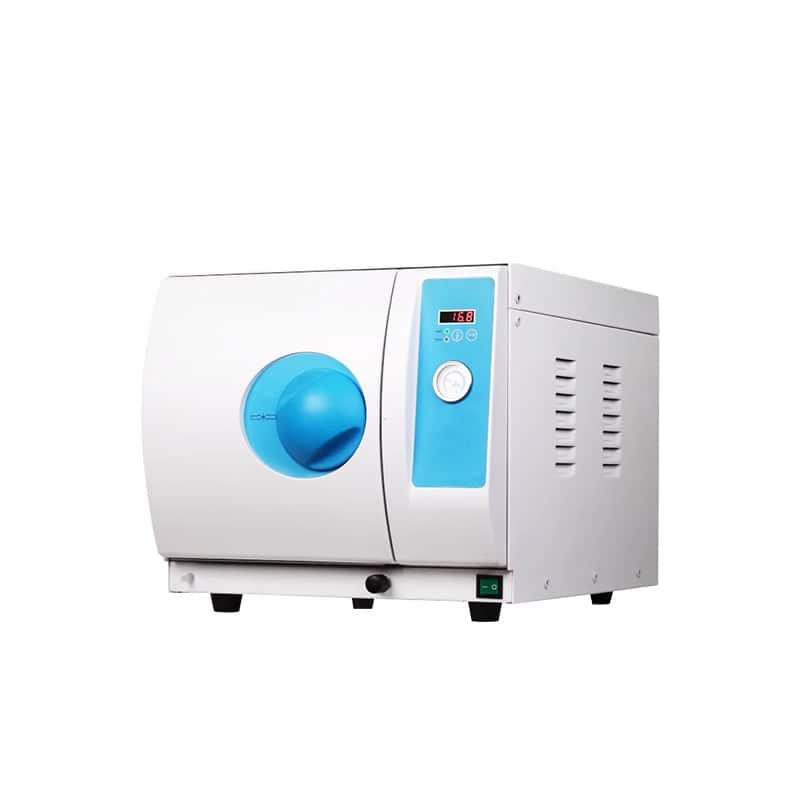
Use the front-door autoclave equipment information to identify the general configuration, then ask the supplier for model-specific relocation and installation documents. Do not assume that another unit with a similar housing follows the same preparation steps or accepts the same connections.

Compare the new site with the installation instructions
Give the site team the manufacturer’s current dimensional drawing and utility requirements. Confirm counter dimensions, load support, door movement, access for routine tasks and service clearances. Include the position of connections and the route for cables or any model-specific hoses.
Electrical supply, connection arrangements and other utilities must be assessed by qualified personnel. Do not infer the supply from a plug photograph or copy the former room’s arrangement without checking it. If the model uses a reservoir, external water supply or drain arrangement, obtain the requirements for that exact version.
The location must also suit the clinic’s approved instrument workflow. The existing sterilization-room layout guide addresses the broader room plan. This relocation review instead asks whether a particular installed machine can be transferred to the proposed location with the required evidence.
| Relocation question | Record needed before scheduling |
|---|---|
| Will the unit fit? | Equipment drawing, counter plan and door/service clearances |
| Are utilities suitable? | Model requirements and qualified site assessment |
| Who prepares the machine? | Named responsible party and current manufacturer instructions |
| How will it be protected? | Supplier-approved transport and packaging arrangements |
| Who accepts it at the new site? | Receiving owner, inspection record and unresolved-item process |
| What permits return to use? | Required commissioning evidence and responsible sign-off |
Assign responsibilities before equipment is disconnected
Separate project coordination from technical execution. The clinic manager can organize timing and records, while qualified service and site personnel assess preparation, connections and commissioning. Agree who contacts the manufacturer, who records the existing condition, who receives the equipment and who closes open issues.
Ask the supplier which preparation and transport instructions apply. The plan should address the ordered machine and accessories, not a generic checklist copied from a different appliance. Do not attempt internal access, fluid removal or component disassembly based on an online article.
If transport is provided by a separate contractor, give that party the relevant manufacturer-approved handling and packaging information. Record the handover between parties. Where original packaging is unavailable, ask the supplier how suitable protection should be specified instead of improvising support around a vulnerable door or control panel.
Document condition and accessories at both ends
Before the move, take dated photographs of accessible surfaces, the nameplate and the supplied accessories. Record existing damage and any reported fault without assigning an unconfirmed cause. Use one equipment identifier across the photographs, transport record and receiving checklist.
On receipt, compare package condition, machine identity and accessory quantities with the dispatch record. If damage, a missing item or a connection mismatch is found, hold the issue for review before technical installation proceeds. Photographs should show context as well as the affected area.
For a clinic comparing a move with equipment replacement, review the tabletop autoclave option using its own installation and service documents. A smaller-looking housing does not automatically solve utility or access constraints. Compare the complete proposed arrangement rather than changing machines purely to fit a counter.
Plan the service interruption as a separate decision
Agree how the clinic will manage the period when the machine is unavailable through its responsible operational and clinical teams. Do not assume that a move can be completed within a universal time allowance. Technical preparation, transport, site readiness and commissioning may each affect the schedule.
Ask suppliers and service parties for written scope and timing for the specific project. Keep contingencies visible: incomplete site works, unavailable accessories or a failed receiving check can delay acceptance. Any temporary processing arrangement needs the clinic’s approved procedures and qualified local review.
The dental sterilizer range can support a contingency equipment enquiry, but purchasing another unit does not by itself establish an approved substitute workflow. Record who decides whether the proposed arrangement is suitable before it is used.
Close the move with commissioning evidence
Confirm what checks, documentation and professional sign-off the manufacturer and locally responsible parties require at the new site. Separate a delivery receipt from permission to return the equipment to use. An intact carton and a machine that powers on do not prove that installation and processing requirements have been met.
The final handover should contain the model record, site assessment, relevant instruction revisions, dispatch and receiving photographs, accessory list, technical work records and open-issue closure. Update the equipment’s location in the clinic register and tell the support team where the unit is installed.
RIXI Medical is a dental equipment manufacturer and supplier in Foshan, China. Use its technical support information to request the current model documentation and clarify what evidence the supplier needs. Confirm commercial service scope and responsibilities for the actual project in writing.
Buyer questions
Can an autoclave move be treated as ordinary furniture relocation?
No. Model-specific preparation, handling, utility assessment and commissioning requirements must be checked with the manufacturer and qualified personnel.
What should the clinic collect before booking transport?
Collect the machine identifier, current instructions, site drawing, utility review, accessory list, condition photographs and a clear responsibility plan for preparation and acceptance.
Scope: This is general project-planning guidance. It does not provide technical relocation steps, regulatory approval or a clinical processing protocol. Requirements vary by model and location.
Request installation drawings and relocation documentation with the machine model, current location and proposed site arrangement.
Need Dental Equipment Pricing or Configuration Details?
Contact RIXI Medical for model comparison, distributor pricing, packaging information, OEM/ODM requirements and after-sales support.
Request Product Information

