A dental implant locator can be a difficult line item to approve because the product name alone does not define the supplied device, its accessories, its intended role, or the evidence needed at receiving. A clinic may be comparing one unit for a controlled equipment workflow, while a distributor may need a repeatable SKU with clear packing and support records. In both cases, the buying decision should start with identity and documentation rather than a broad claim about “precision.”
RIXI Medical is a dental equipment manufacturer and supplier based in Foshan, China. Its current dental implant locator product page presents a device intended for implant-positioning workflow support. The page does not publish a complete model-specific technical specification, so buyers should request the current specification, instructions, supplied-component list, and intended-use documentation before approval. This article covers procurement and receiving controls, not surgical technique or clinical decision-making.
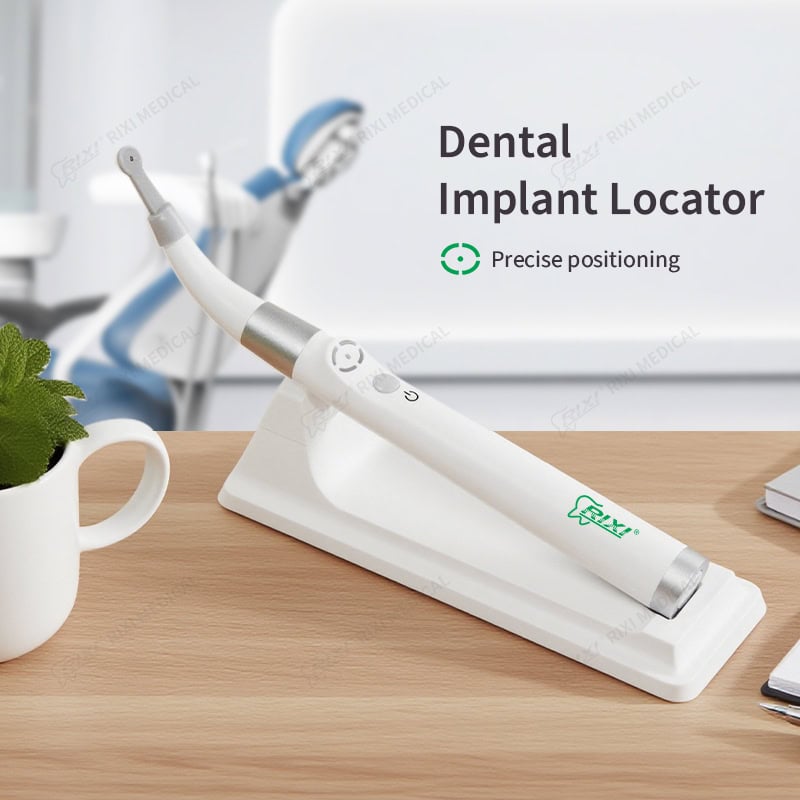
Define what the quoted locator is meant to do
Ask the supplier to describe the device’s role in neutral, model-specific language. “Implant locator,” “positioning device,” and “implant planning accessory” may be used differently across catalogs. The purchase file should state what the quoted unit is, what equipment or components it is intended to be used with, and which tasks remain outside its documented scope. Do not infer a clinical indication, measurement capability, or compatibility from the product name or photographs.
The buyer should also identify who will review suitability. Procurement can control the model, quantity, documents, and packing scope. Qualified dental professionals must evaluate clinical suitability and use. Where local rules, registration, or professional responsibilities apply, they vary by jurisdiction and should be reviewed by appropriately qualified local parties.
Freeze the model and supplied configuration
Before comparing price or approving a sample, request an exact model reference and a dated configuration record. If the supplier uses a family name without a model code, ask how the production unit will be distinguished from another version. The same identity should appear on the quotation, packing list, product label, instructions, and support correspondence wherever applicable.
List every supplied component separately. Depending on the actual product, the package may include the main device, positioning parts, holders, charging or power items, a case, tools, or other accessories—but none of these should be assumed. Ask the supplier to mark each item as included, optional, or buyer-supplied. The broader implant equipment quote comparison worksheet provides a useful format for normalizing competing offers.
| Approval field | Evidence to request | Question it closes |
|---|---|---|
| Product identity | Exact name, model, version, and label image | Which unit is actually being purchased? |
| Supplied scope | Itemized packing list and quantities | What arrives in the carton? |
| Intended role | Current supplier description and instructions | What is the documented equipment purpose? |
| Interfaces | Drawings or compatibility statement for the exact configuration | What must match other equipment or components? |
| Processing and storage | Model-specific handling, cleaning, reprocessing, and storage instructions where applicable | How must the supplied items be controlled? |
| Support | Service boundary, parts route, and evidence required for a claim | How will an issue be escalated? |
Request drawings and compatibility evidence
A product photograph can show general form but cannot establish dimensions, tolerances, material, permitted combinations, or safe use. Ask for a current drawing or controlled dimension sheet when physical fit matters. If the locator must be used with another component or system, request a written compatibility statement that names both sides of the combination and any required adapter or accessory.
Avoid accepting “universal” without a defined scope. The supplier should identify the models, sizes, or interfaces covered by the statement and list exclusions. A distributor should retain this evidence with the sellable SKU so customer support does not rely on memory or a similar-looking product. The RIXI dental implant equipment category can help buyers identify related product families, but category proximity is not proof that two devices are compatible.
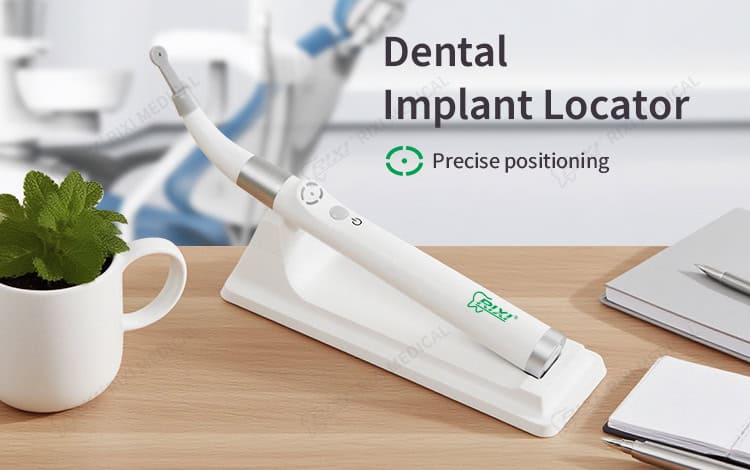
Control the document pack before dispatch
Ask for the document list while the order is still being reviewed, not after the carton arrives. The file should identify the current product specification, instructions, packing list, labels, accessory references, and any applicable handling or processing information. Record the language and revision of each document. If a required record will be supplied later, give it an owner and a due date instead of treating a promise as a completed deliverable.
For a private-label or distributor order, add artwork approval, product naming, carton marks, label responsibility, and change control. OEM or ODM branding must not obscure the underlying model identity. If a component or document changes after sample approval, the supplier should describe the change and obtain the buyer’s acceptance before shipment. RIXI’s equipment buying guides provide additional checklists for order control and handover.
Perform a controlled receiving inspection
Receiving staff should match the carton to the approved purchase record before the device is released. Record shipment condition, model and label details, quantities, supplied components, visible damage, and the document pack. Photograph discrepancies with the purchase-order line and carton reference. Do not power, assemble, adjust, disassemble, or test the device unless the current instructions and the buyer’s qualified process permit that step.
Use clear dispositions: accepted, quarantined for review, or conditionally accepted with a named closure action. Missing identity, an unapproved substitution, damaged components, or absent instructions should not be solved by guessing. The existing dental implant instrument receiving checklist explains how to build a shipment-level record without turning receiving into clinical validation.
Plan sample approval and repeat orders
For a distributor program or a multi-unit clinic purchase, approve one identified sample against a written checklist. Keep the sample model, label images, configuration, accessory quantities, document revisions, packaging, and approval date together. When the production shipment arrives, compare it with that controlled baseline rather than with an unlabeled demonstration unit.
Repeat orders need change control. Ask the supplier to disclose changes to model codes, materials, interfaces, accessories, instructions, labels, or packaging that affect the approved record. A silent substitution can create a support problem even when the replacement looks similar. The implant equipment commissioning checklist can carry the approved identity and open items into project handover.
Questions for the supplier
- What is the exact model and current version of the quoted dental implant locator?
- Which components and quantities are included, optional, or buyer-supplied?
- Which drawing or document defines physical fit and compatible combinations?
- What instructions apply to handling, processing, storage, and qualified use?
- How are labels, model identity, and document revisions controlled for repeat orders?
- What visible and documentary checks should be completed at receiving?
- Which issues require quarantine, supplier review, or qualified service?
- What changes require buyer approval after sample acceptance?
Frequently asked questions
Does a product image prove that a locator fits an implant system?
No. Images support visual identification only. Request a model-specific compatibility statement, drawing, and current instructions for the intended combination.
Should a distributor use the product title as its complete SKU specification?
No. The SKU record should include the underlying model, version, supplied components, labeling, documents, packaging, and approved compatibility scope.
Can receiving staff perform a functional or clinical test?
Only when the current instructions and the buyer’s qualified procedure authorize it. Routine receiving should focus on identity, quantity, visible condition, documents, and controlled disposition.
What should trigger quarantine at receiving?
Examples include uncertain model identity, an unapproved substitution, visible damage, missing critical components, or absent instructions. The buyer should define the actual acceptance criteria before shipment.
Scope note: This is general supplier-side procurement guidance. Exact specifications, compatibility, processing, and use are model specific. Confirm them with the supplier and have qualified local professionals review clinical suitability and jurisdictional requirements.
Buyers preparing a model-specific request can ask RIXI Medical for the current specification, configuration drawing, packing list, and distributor or OEM/ODM information for the exact product under review.
Need Dental Equipment Pricing or Configuration Details?
Contact RIXI Medical for model comparison, distributor pricing, packaging information, OEM/ODM requirements and after-sales support.
Request Product Information