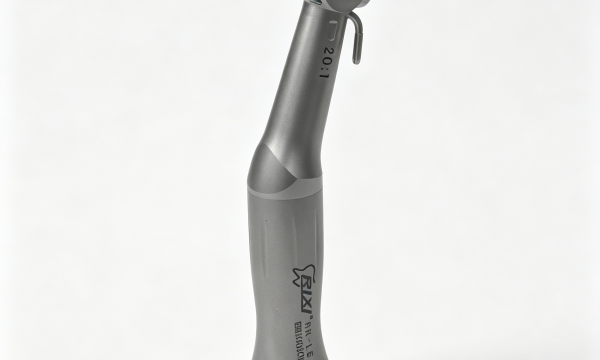
When a dental chair quotation includes “smart,” “AI-ready” or “digitally integrated,” the buyer needs to know what the supplied unit actually does. A screen, stored position or accessory mount may be useful, but it does not establish patient-record integration, automated decision-making or predictive maintenance.
This guide focuses on turning proposed digital features into a demonstration and acceptance plan. It is intended for clinic owners, project buyers and distributors assessing an offered configuration. Use the separate dental chair supplier verification scorecard for the wider manufacturer comparison. No pictured RIXI chair is represented here as having AI, network access or a particular software interface.
Translate feature names into observable functions
Ask the supplier to describe each feature in plain language: what the operator does, what the chair does in response and which components are included. If a claim refers to software, identify the version, compatible hardware and any license or ongoing service required. Separate functions supplied at delivery from proposed future upgrades.
For a positioning feature, request a demonstration of the available controls, saved positions and reset behavior in accordance with the model instructions. For a display or imaging accessory, identify whether the chair simply holds the device, provides power or exchanges data. These arrangements have different installation and support requirements.
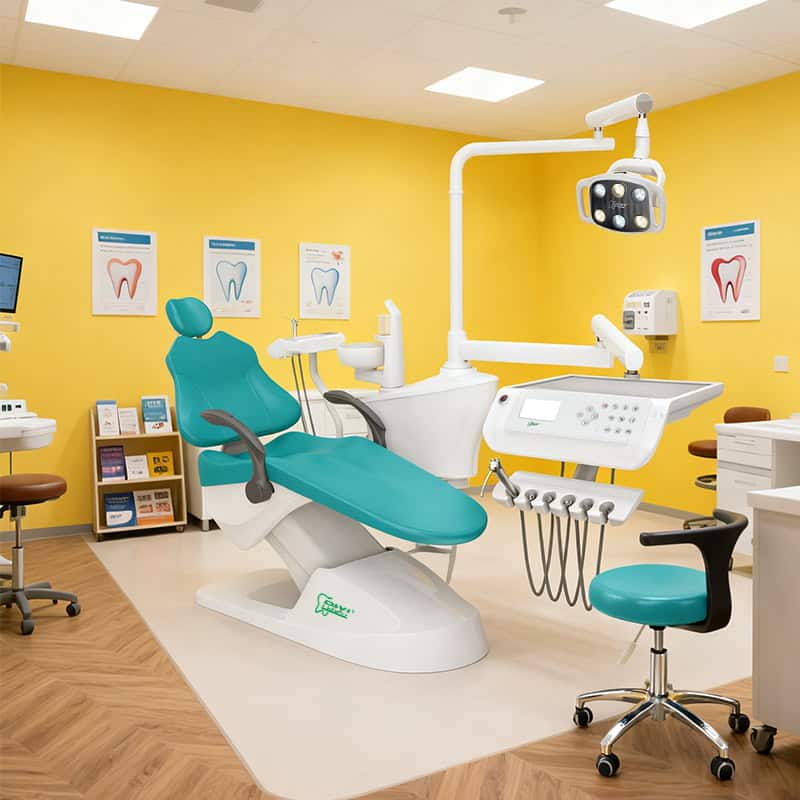
Build an acceptance schedule before ordering
Write a short schedule alongside the quotation. For each offered feature, record the configuration, supplier evidence, demonstration method, pass condition and responsible person. Keep unconfirmed functions marked as pending instead of incorporating them into the room plan or marketing material.
| Proposed capability | Evidence to request | Acceptance question |
|---|---|---|
| Stored chair positions | Model instructions and demonstration | Do the included controls reproduce the agreed operation? |
| Integrated accessory control | Compatible accessory list and control map | Which devices are controlled and which remain independent? |
| Monitor or camera connection | Mount, power, cable and interface information | Does the quoted arrangement cover the actual device? |
| Software connection | Supported software version and interface documentation | Is the proposed workflow supported and demonstrated? |
| Remote support | Connection method, permissions and support scope | What can the service team inspect or change? |
| Future upgrade | Written hardware and software requirements | Is the upgrade supplied, optional or unconfirmed? |
Keep the schedule specific to the ordered version. A demonstration of another configuration does not prove that the same feature is included in the buyer’s unit. If the supplier cannot show a capability, request clarification or remove it from the acceptance assumptions.
Review physical installation before software convenience
A digital accessory still requires workable cable routing, mounting, power and service access. Request a drawing that shows the chair movement envelope and accessories in their working positions. Identify where a computer, cart, monitor or network point will sit and whether covers can open without dismantling the room.
The dental chair installation checklist covers utility coordination. Use that review to avoid promising an integrated workflow while leaving important equipment, outlets or support responsibilities outside the order.
A scanner can be used near a chair without being controlled by it. For the intraoral scanner range, obtain the current scanner’s own computer, software, mounting and service requirements. Verify the combined configuration rather than assuming common supplier identity establishes interoperability.
Include the clinic’s IT team where data is involved
If the proposed configuration exchanges clinic or patient information, ask the supplier and clinic’s IT lead to review the data path. Identify the connected devices, account permissions, storage locations, exports and dependencies. Clarify whether a network connection is essential or simply an optional support route.
Ask what happens when the network is unavailable, a license expires or the connected computer is replaced. Identify the person responsible for backups, access changes and software updates. The answers should be documented for the actual workflow; this article does not make a privacy or security compliance claim for any product.
Demonstrate recovery and support boundaries
Agree how the supplier will demonstrate normal operation and the supported recovery procedures. Do not improvise unsafe fault tests. Use only methods permitted by the model instructions and suitably qualified people. Document how operators identify a fault and which actions require a technician.
For a proposed remote diagnostic service, clarify whether the supplier receives photographs, error logs, screen-sharing access or a direct equipment connection. These are different support arrangements. Ask who authorizes access, what information is shared and when on-site work is needed.
The technical support resources provide a route for requesting current documents. Put project-specific response terms and service responsibilities in the agreement; a general support page should not be treated as a guaranteed maintenance package.
Keep distributor claims aligned with the supplied version
Distributors should retain approved feature descriptions for each model, software version and destination configuration. Avoid carrying a feature from a prototype, demonstration unit or different accessory package into a standard catalog entry. Request notice when controls, connectors or software versions change.
Record standard and optional items separately. When considering available dental chair configurations, ask the supplier to confirm which proposal the documents cover. Update training and customer handover material when an accepted configuration changes.
What to retain after commissioning
Keep the signed feature schedule, configuration identifiers, software and license records where applicable, supplier instructions and demonstration results. Document open items, responsible parties and agreed next steps. Train staff on supported operation and the correct support route before introducing the workflow.
Connect these records with the maintenance and fault-reporting file. Later service teams should be able to distinguish an original feature from a locally added accessory or software change.
Frequently asked questions
Does a touchscreen establish AI capability?
No. Ask what function is implemented and what evidence supports the supplier’s description. The interface alone does not establish the underlying capability.
Does “AI-ready” mean software is included?
It should not be assumed. Confirm what hardware, software, license and service are supplied and which items depend on a future purchase.
Can one demonstration approve a whole model range?
No. Match the demonstration to the quoted configuration and version. Record differences before approving another unit.
Who should approve a clinic software connection?
The purchasing team, relevant clinical users and IT lead should assess the proposed workflow with the supplier. Assign ownership for installation, access and ongoing support.
Scope: Digital-feature procurement and acceptance. This guide states no model-specific AI, interoperability, cybersecurity or regulatory approval.
To review an offered feature, request configuration-specific documentation and provide the intended devices, software and room plan.
Need Dental Equipment Pricing or Configuration Details?
Contact RIXI Medical for model comparison, distributor pricing, packaging information, OEM/ODM requirements and after-sales support.
Request Product Information