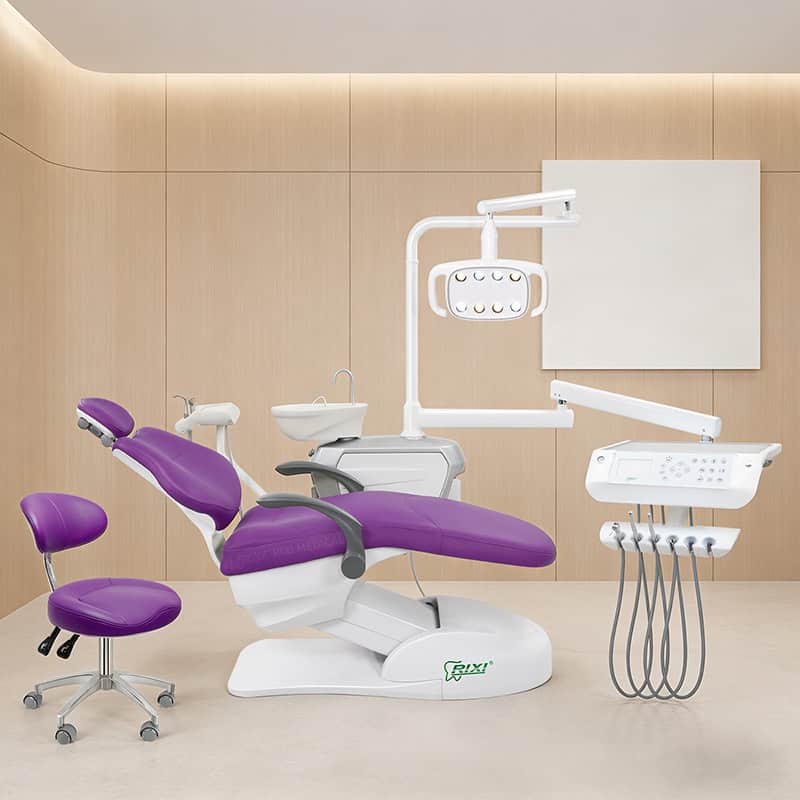
A photograph of an attractive operatory can help a buyer understand a dental chair’s appearance. It cannot, by itself, establish who supplied the equipment, what was included, how installation went or whether a claimed business result was measured. Dental equipment project references are useful only when the evidence matches the decision being made.
This page is a buyer’s method for reviewing supplier references, not a customer testimonial or a report of measured RIXI project results. Use it when comparing a dental chair range, reviewing a proposed upgrade or asking a supplier to substantiate a case study.
Start with the claim you need to verify
Ask one specific question before requesting a project reference. Do you need to understand the delivered configuration, the supplier’s installation-document handover, spare-parts identification or experience with a similar purchasing scope? “Show us a successful clinic” is too broad to produce a useful answer.
Separate facts about the supplied equipment from opinions about the clinic and claims about its performance. A delivery record may support the identity of an installed unit. It does not establish improved patient satisfaction, lower staff fatigue or additional revenue. Each type of claim needs evidence appropriate to that claim.
Distinguish illustrations from project evidence
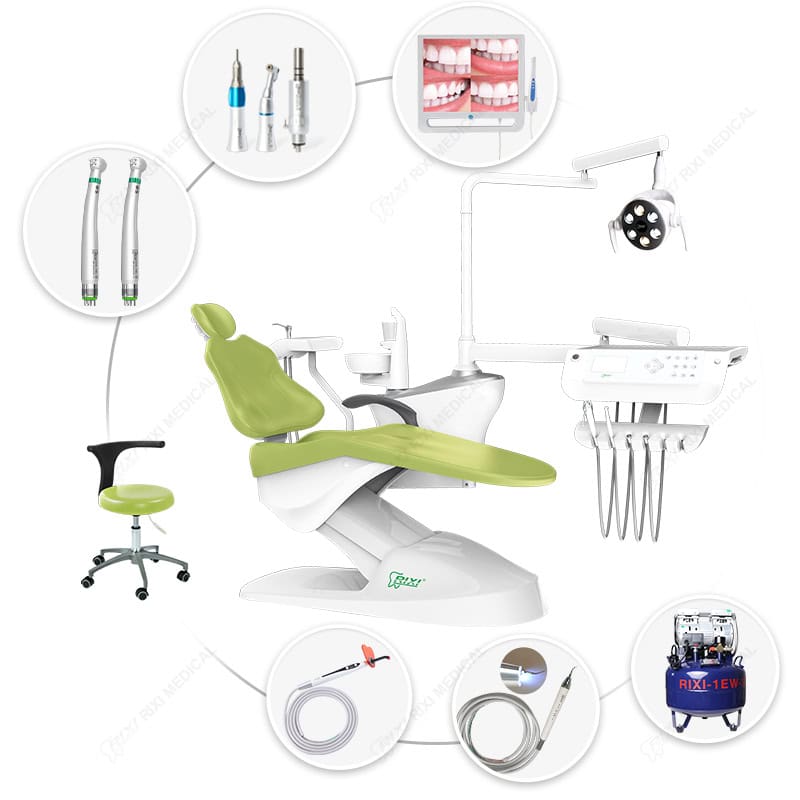
Product renders, showroom photographs and factory pictures each have a legitimate purpose. The problem arises when they are presented as proof of an installed project without supporting records. Ask the supplier to label the image type and explain which equipment, location and date the accompanying statement concerns.
A photo may show a different revision, an optional accessory or a room staged for display. Ask whether it depicts the configuration being quoted. Look for consistency between the visible delivery system, operating light and control arrangement and the written inclusion list. Do not infer hidden interfaces or construction from the image.
Factory capability is a separate question. The dental chair manufacturer audit guide explains how to review production and traceability controls without treating a completed clinic photograph as a manufacturing audit.
Request a proportionate reference packet
Useful reference material should connect the statement being made with an identifiable project scope. It need not disclose a clinic’s confidential commercial information. Ask the supplier what can be shared with permission and what must be redacted. A compact, consistent packet is often more useful than a large gallery with no context.
| Reference element | Useful supporting information | Limit to recognize |
|---|---|---|
| Equipment identity | Model, revision, supplied options and an order-linked record | A model name alone does not identify the complete package |
| Delivery or handover | Date range, supplied scope and an appropriately redacted acceptance record | Delivery does not prove every installation responsibility was included |
| Service example | Issue description, affected component and documented resolution | One resolved issue does not establish a universal response time |
| Reported outcome | Metric definition, source, observation period and relevant changes | A result from one setting is not a promise for another |
If the supplier can provide only a general narrative, record it as a supplier statement rather than a verified reference. Avoid turning a missing record into an assumed positive result.
Check whether the project is comparable
Compare the reference with your intended purchase across equipment scope, configuration, room constraints, local installation responsibilities and support arrangements. A project can be genuine yet offer little evidence for your particular decision. A single-chair replacement, for example, does not establish that a supplier controlled a multi-branch rollout.
Ask which parts of the reference remain applicable to the current model revision. If a monitor or scanner appears beside a dental unit, determine whether it was included, independently supplied or simply present in the room. Proximity does not prove an integrated mechanical mount, electrical interface or software connection.
Translate any relevant observation into a check for your own proposed configuration. The dental chair sample evaluation checklist provides a way to test the actual sample rather than accepting another buyer’s experience as your acceptance result.
Treat percentages and testimonials carefully
When a case study reports a percentage improvement, ask what was counted, over which period, by whom and against what baseline. Check whether the number describes appointments, equipment downtime, survey responses or something else. Without a defined denominator and source record, the percentage cannot support a reliable comparison.
Even documented before-and-after results do not automatically establish that equipment caused the change. Staffing, scheduling, pricing, marketing or other changes may have occurred at the same time. Keep a clinic’s reported experience separate from a supplier’s interpretation, and do not convert either into a promised clinical or financial outcome.
A quotation should identify whose opinion it is and be used with permission. Avoid publishing patient information or personal contact details in a procurement file. If a reference conversation is appropriate, ask the supplier to arrange an authorized introduction; do not independently circulate private customer information.
Keep the reference separate from the contract
A past project’s lead time, service arrangement or warranty does not automatically apply to your order. Confirm current responsibilities, exclusions and commitments in the transaction documents. The dental chair warranty review guide helps buyers distinguish a service anecdote from the scope actually offered.
Use a simple evidence register with the claim, source, date, configuration match and unresolved question. Mark each item as supported, partially supported or unverified. A reference with limits can still inform the shortlist; it should not close a technical or commercial requirement that remains undocumented.
Record a reference conversation without changing its meaning
If an authorized customer agrees to speak with the buyer, prepare questions about the supplied scope, handover records and support process. Ask what the customer directly observed and what they were told by another party. Record unresolved questions as well as favorable comments, and distinguish the original project from later changes made by the clinic.
Send a short factual summary through the agreed contact channel for confirmation before relying on it internally. Permission for a procurement discussion is not permission to publish a testimonial or reuse photographs. Keep any permitted quotation within its original context, and do not extend an individual account into a claim about all installations.
Frequently asked questions
Can an anonymized clinic reference be useful?
Yes, if its scope, configuration and supporting evidence are sufficiently clear. Anonymization protects privacy, but it also limits independent verification. Record that limitation instead of claiming that the project has been fully confirmed.
Does a clinic image prove the equipment is certified?
No. Review the relevant documents for the exact model and destination separately. An image, testimonial or previous shipment is not a substitute for a market-specific compliance review by qualified parties.
Should a buyer reject a supplier with no shareable case study?
Not solely for that reason. Confidentiality or limited project history may restrict references. Evaluate the remaining evidence through a sample review, factory assessment and clearly defined acceptance process.
What should happen when a result cannot be substantiated?
Label it unverified and exclude it from the purchasing justification. Ask for appropriate supporting records or replace the claim with a factual description of the supplied equipment and scope.
Scope: This is general supplier-evidence guidance, not a claim about any named clinic, a certification determination or advice about patient care.
RIXI Medical is a dental equipment manufacturer and supplier based in Foshan, China. Request current specifications and an evidence-based project discussion for the configuration you are evaluating.
Need Dental Equipment Pricing or Configuration Details?
Contact RIXI Medical for model comparison, distributor pricing, packaging information, OEM/ODM requirements and after-sales support.
Request Product Information