Choosing a supplier for a dental equipment distributor partnership is not the same as choosing one product for one clinic. A distributor must be able to explain the range, quote repeat orders consistently, control configuration changes, support local resellers or clinics, and manage documentation across more than one shipment. A polished catalogue can start the conversation, but it does not answer those operating questions.
This guide sets out a practical due-diligence process for distributors, procurement teams and private-label buyers evaluating a long-term supply relationship. RIXI Medical is a dental equipment manufacturer and supplier based in Foshan, China; the perspective here is limited to the supplier-side controls buyers can reasonably request and verify.

Define the commercial role before comparing products
Start by deciding what the partnership must do. A clinic-project distributor may need coordinated equipment packages, installation drawings and handover records. A catalogue reseller may value stable item codes, clear option lists and repeat-order consistency. A private-label partner also needs decisions about branding files, packaging artwork, manuals and approval samples.
Write the intended role into a one-page sourcing brief. Include the target customer, product categories, expected order pattern, languages required for customer-facing documents, who provides local installation, and who owns first-line technical communication. This prevents both sides from treating “distributor cooperation” as a vague promise.
Buyers can first review the available dental unit range and broader clinic equipment categories, then shortlist only the configurations that fit the intended channel.
Build a controlled product and option matrix
Model names alone are not sufficient for quotation control. Ask the supplier for a current specification sheet and an option matrix that separates standard equipment, selectable options, accessories, consumables and locally sourced items. Each quoted configuration should have an unambiguous item code or written configuration reference.
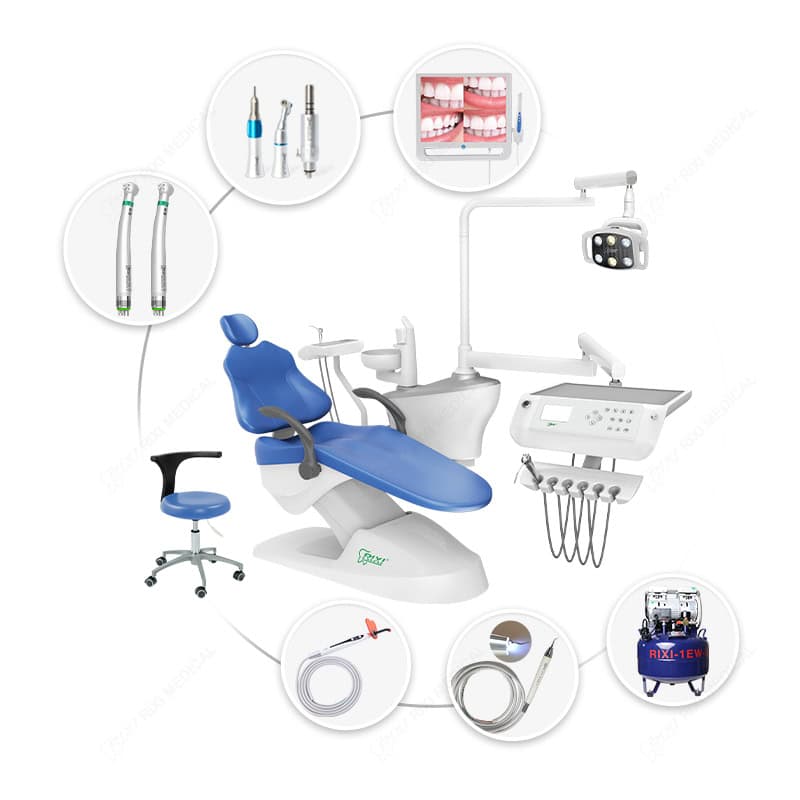
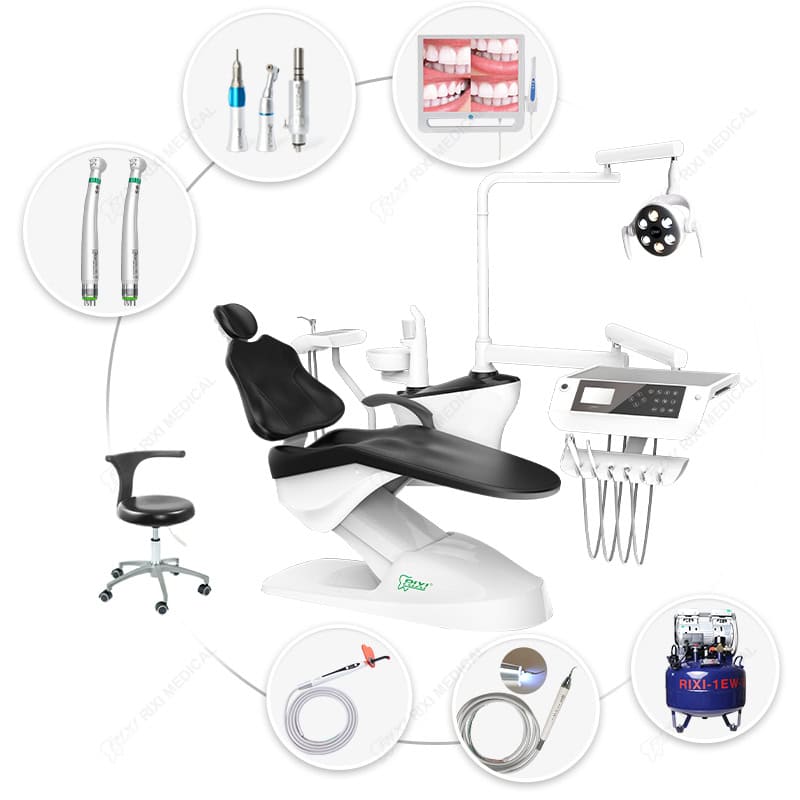
For a dental chair package, the matrix may cover the chair platform, delivery system, operating light, stool, suction arrangement, water system and optional accessories. The exact features vary by model, so confirm them in the latest supplier document instead of assuming that two visually similar chairs share the same components.
| Control point | Evidence to request | Why it matters |
|---|---|---|
| Product identity | Model name, item code and dated specification | Keeps quotations, orders and receiving checks aligned |
| Options | Standard-versus-optional matrix | Prevents silent substitutions or incomplete comparisons |
| Service parts | Parts identification method and ordering route | Supports after-sales communication without guesswork |
| Change control | Process for notifying and approving revisions | Protects repeat-order consistency |
Review documentation as part of the product
Documentation should be checked during supplier qualification, not requested after the shipment is ready. Ask what manuals, packing lists, labels, wiring or utility drawings, maintenance guidance and spare-parts references accompany the selected model. Confirm the available language and revision date.
Destination-market requirements vary by jurisdiction. The supplier can provide its available product and quality documents, but the importer remains responsible for checking which documents, registrations, labels or local approvals are required. A locally qualified compliance professional should review the destination-specific position before an order is placed.
A useful document register lists the file name, model scope, revision, language, owner and approval status. It gives both teams a shared reference when artwork or configuration changes. It also makes the receiving handover more disciplined because the buyer knows which files and physical documents should arrive.
Map service responsibility before launch
A distributor should know which questions it will answer locally and which ones must be escalated to the manufacturer. Define the route for installation questions, troubleshooting evidence, parts identification and warranty assessment without assuming that every request will be handled remotely.
Ask what information the supplier needs when a case is opened. Common evidence may include the model, serial or production reference, shipment or invoice reference, photos, a short video, the observed condition and the checks already performed. Agree on a case-record format so information does not disappear in informal messages.
Service planning should also cover access. When reviewing an integrated dental chair configuration or an advanced dental chair package, ask for the drawings and service-clearance information that apply to the exact model. Installation and local building requirements should be confirmed by qualified contractors.
Test repeat-order and change-control discipline
The first sample or project does not prove repeat-order reliability. Before expanding the range, run a controlled pilot: approve one written configuration, retain the documents used for approval, inspect the delivered package against the order and record any discrepancy. The aim is not to create a perfect score; it is to see whether both teams can identify and close gaps using evidence.
Ask how the supplier communicates component revisions, discontinued options, packaging changes and manual updates. For private-label work, define who approves artwork and what happens when a technical change affects a label or manual. Never rely on the assumption that a previous quotation automatically describes a future shipment.
Use a supplier qualification scorecard
A simple scorecard makes internal approval easier. Rate only evidence that your team can inspect: product-scope fit, clarity of specifications, option control, documentation readiness, packaging definition, service escalation, change notification and OEM/ODM workflow. Add an owner and an open-action date for every incomplete item.
Do not convert missing evidence into an assumed pass. A supplier may still be suitable for a limited pilot while actions remain open, but the decision should state the limits. Likewise, one strong model should not be treated as proof that every category is equally mature.
- Confirm the legal contracting entity and quotation owner.
- Match every shortlisted item to a dated specification.
- Record standard equipment and paid or selectable options separately.
- Approve packaging, labels and manuals before production where applicable.
- Define local and supplier-side service responsibilities.
- Keep a written revision and repeat-order approval process.
Scope note for buyers
This is a general supplier-evaluation framework, not a statement of model specifications or destination-country compliance. Confirm the exact configuration, utilities, drawings, included documents and service terms with the supplier. Use locally qualified professionals for installation, electrical, plumbing and regulatory decisions.
Distributors comparing a Foshan supplier can also review RIXI Medical’s technical support resources. For a specific project, request the specification sheets, option matrix and available drawings for the shortlisted models through the supplier enquiry channel.
Frequently asked questions
What should a distributor request before asking for final pricing?
Provide the target models, quantities, destination, required options, packaging or private-label needs and document expectations. Ask the supplier to return a configuration-specific quotation rather than a model name alone.
How can buyers reduce configuration disputes?
Use item codes, dated specifications, an option matrix and a signed or otherwise recorded approval reference. Apply the same reference during production communication and receiving inspection.
Should a distributor begin with the full catalogue?
Usually, a controlled shortlist is easier to support. Start with products that fit the channel, document them properly and test the ordering and service workflow before expanding.
What is the supplier’s role in local compliance?
The supplier should provide accurate available product documents and model scope. The importer or distributor should verify destination-market requirements with appropriately qualified local professionals because requirements vary by jurisdiction.
Need Dental Equipment Pricing or Configuration Details?
Contact RIXI Medical for model comparison, distributor pricing, packaging information, OEM/ODM requirements and after-sales support.
Request Product Information