A private-label K-file can keep the same brand and catalog description while its underlying specification changes. A revised label, different pack count or new material description may pass unnoticed if the next order is treated as a routine repeat. OEM buyers need a controlled way to decide what changed, which evidence is required and when the revised item can enter supply.
This guide addresses changes after a product configuration has been approved. It does not replace the initial K-file product comparison or the distributor’s broader commercial package. The purpose is to preserve the connection between an approved item and what is manufactured, labeled and delivered later.
Define the baseline that a repeat order refers to
An approval has little value if nobody can identify its version. Keep a baseline file containing the supplier’s item code, agreed material description, nominal length, size or assortment, pack contents and relevant product instructions. Include the approved artwork, packaging photographs and sample reference. Give the file a date or revision and identify the people responsible for maintaining it.
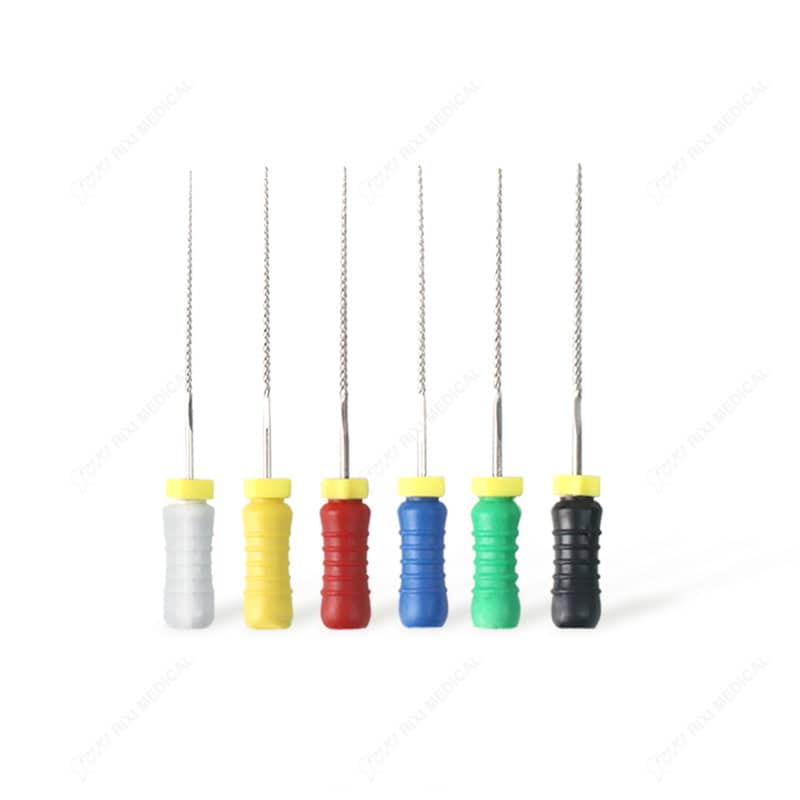
Use the 25 mm K-file listing as a starting point for an inquiry, not as a specification covering every length or pack. The baseline for your order should name the actual variant. Images showing another length must remain clearly identified rather than being silently substituted in the approval record.

Ask for a change notice, not just a new photograph
A useful notice states the existing item and revision, the proposed revision, the reason for the change, affected configurations and intended implementation point. Ask which deliveries or lots will first contain the change and whether any open orders are affected. “New packaging” is not a sufficient description when the pack quantity or product identification also changes.
Separate the supplier’s proposal from the buyer’s acceptance. A supplier can explain what is planned; the buyer must decide whether its own catalog, customer commitments, instructions or market documentation need review. Requirements vary by destination, so regulated questions should be referred to qualified people rather than resolved through marketing copy.
| Change proposed | Evidence to request | Buyer-side check |
|---|---|---|
| Item code or model name | Old-to-new code cross-reference | Repeat orders still identify the intended item |
| Length, size range or material description | Revised specification and evaluation information | Qualified reviewers assess suitability before approval |
| Units or assortment per pack | Updated packing list and label sample | Price lists and stock units remain consistent |
| Artwork or instructions | Versioned files and a marked change comparison | Claims, language and product identity agree |
| Packaging construction | Samples and the relevant handling information | Storage, receiving and any claimed packaging status are reviewed |
Keep artwork review separate from technical approval
A visually correct label can still describe the wrong product. Review spelling, logo placement and barcode readability, but also compare every product field with the approved baseline. Length, assortment, item code and units per pack should agree across inner packaging, master cartons, quotations and purchasing records.
Do not copy symbols, certification claims or sterilization statements from a photograph into new artwork without supporting documentation and appropriate review. A graphic visible on an old pack does not establish that it applies to a revised item, a different manufacturer or every destination market. Keep the exact files that were approved, not only a screenshot of the design discussion.
The distributor SKU and packaging guide covers launch and catalog organization. Change control begins where that setup ends: it determines how an approved package may be altered without losing the ability to identify old and new stock.
Use an evidence-based approval gate
Decide the review scope from the proposed change. A corrected contact detail and a revised instrument configuration do not call for the same evaluation. Record who checks commercial information, who reviews product documentation and when a qualified clinical or regulatory assessment is needed. Do not ask a warehouse operator to approve clinical equivalence.
If samples are requested, link them to the proposed revision and record the review result. The sample should not float through the organization with only a generic description. Open questions need an owner and a resolution before the change is accepted. Approval should identify the accepted version and any conditions, rather than simply saying “looks fine.”
Plan the first revised delivery and remaining stock
Before implementation, agree how the first revised shipment will be identified and which order lines it will fulfill. Keep old and new revisions distinguishable during the transition. Where different lengths or pack contents are involved, do not place both versions under an ambiguous picking description merely because they share the same brand.
Ask what will happen to existing labels, packaging and unfinished orders. Record whether older approved stock may continue to ship under its original identification or requires a separate decision. Do not infer a recall, disposal or relabeling requirement; the correct disposition depends on the actual change and responsible review.
The receiving team should have the accepted revision before arrival. Use the K-file incoming inspection checklist to compare that shipment with the revised order, then retain the evidence with the change record.
Make the revision usable for the next team
Close the change with a concise index: notice, updated specification, approved artwork, sample record where relevant, implementation reference and disposition of remaining stock. Give sales, purchasing and warehouse staff the same current item description. Leave obsolete versions accessible for traceability but clearly marked so they are not reused for a new quotation.
For unresolved document questions, send the item code and revision through the technical support channel. A precise reference is more useful than forwarding an unstructured chain of images and chat messages.
OEM change-control questions
Does a new pack design always mean a new instrument?
No. Ask what actually changed and obtain a clear comparison. Packaging and product changes should be identified separately.
Can approval be based only on product photographs?
Photographs support identification but cannot define material, operating instructions or the complete specification. Use controlled documentation and the agreed evaluation process.
Should every change receive a new distributor SKU?
Not automatically. Decide whether the change affects ordering, stock identification or customer commitments, and document the code decision.
Who confirms whether destination documentation needs updating?
The responsible qualified reviewers should assess the exact product and market. A supplier’s general export experience does not replace that assessment.
Scope: General supplier and document-control guidance, not a regulatory determination or clinical evaluation. Confirm product-specific evidence with the manufacturer and local requirements with qualified professionals.
RIXI Medical is a dental equipment manufacturer and supplier in Foshan, China. Request a model-specific specification and packaging review for your next OEM order or proposed revision.
Need Dental Equipment Pricing or Configuration Details?
Contact RIXI Medical for model comparison, distributor pricing, packaging information, OEM/ODM requirements and after-sales support.
Request Product Information