A dental polishing machine can look like a simple handpiece purchase, but the order is incomplete until the buyer defines the consumables, power arrangement, cleaning scope, speed controls and acceptance evidence. A sample that powers on is not enough. Clinics and distributors need to know what will be included, what must be replenished, and how the selected configuration will be identified on future orders.
This guide focuses on purchasing and handover rather than clinical technique. RIXI Medical is a dental equipment manufacturer and supplier based in Foshan, China. Its current dental electric polishing machine listing describes an electric handpiece, speed stabilization, disposable cups and brushes, a compact format and a reduced-splash design. Those points are a starting reference, not a substitute for the exact specification and instructions supplied with the quoted model.
Define the complete polishing system before comparing quotes
The phrase “dental polishing machine” may refer to different equipment architectures. One quotation may cover a handpiece and charging or power components; another may include cups, brushes, adapters or storage accessories. Before comparing prices, ask each supplier to identify the complete operating set in one written schedule.
Record the model name, handpiece quantity, power or charging arrangement, control method, included accessories and every consumable supplied with the sample. If a component appears in a photograph but is not named in the quotation, treat it as unconfirmed. The broader dental polishing machine category can help buyers see the relevant product family, but the signed configuration list should control the order.
Separate reusable components from recurring consumables
A useful quotation distinguishes durable equipment from items that will be consumed or replaced. Ask the supplier to list cups, brushes and any other working accessories by reference, quantity and intended compatibility. Do not assume that a generic-looking accessory will fit the selected handpiece or that the same reference will remain unchanged between batches.
For a clinic, this prevents the machine from arriving without enough approved accessories for the planned evaluation. For a distributor, it creates the basis for repeat-order stock, catalogue descriptions and customer support. Keep the consumable reference beside the main model in the purchasing file, and ask whether alternative accessory types require different operating settings or instructions.

Request the specifications that photographs cannot confirm
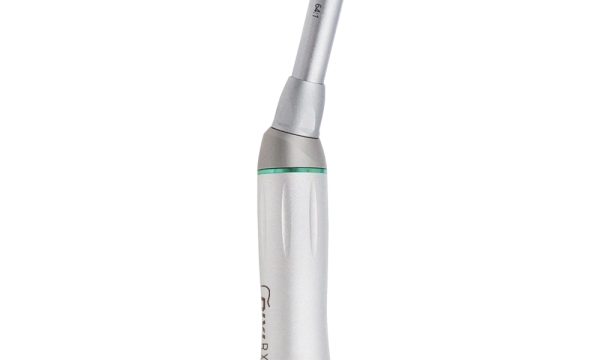
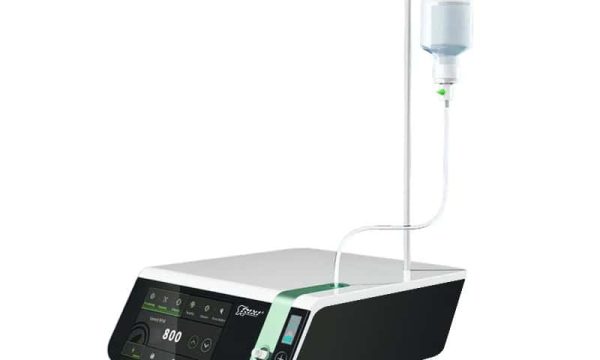
Product images help identify the form factor, but they do not establish electrical input, charging time, operating speed, control range, duty limits or accessory compatibility. Ask for the current specification sheet and user instructions for the exact model. If the supplier describes speed stabilization or reduced splash, request the operating conditions and the method used to demonstrate those functions on the sample.
The buyer should also confirm the available controls, indicator meanings, battery or power status information, and what happens when the unit needs charging or service. Model-specific values should come from controlled supplier documents. Local electrical, equipment-processing and clinical-use requirements vary, so the clinic should have locally qualified personnel review the final package before use.
Run a sample acceptance test around the purchasing decision
The purpose of a sample is not to make a clinical performance claim. It is to verify that the delivered configuration matches the order and can be handed over responsibly. Use a documented sample with no patient use and record the model, serial or batch identifiers available, accessory references and software or firmware information if applicable.
A practical purchasing test can include the following steps:
- Confirm the handpiece, control unit, charging or power components and accessories against the packing list.
- Check that controls, indicators and charging functions behave as described in the supplied instructions.
- Fit each supplied cup or brush using only the documented interface and confirm that the reference is recorded.
- Observe the unit during a supplier-approved non-clinical demonstration and note any vibration, noise, heat or interruption that requires clarification.
- Photograph the accepted configuration, labels and accessory packaging for the repeat-order file.
- Record the cleaning, processing and storage instructions delivered with the sample.
Keep this record with the same discipline used for broader dental equipment utility and acceptance planning. A pass should mean that the sample matches an agreed specification, not merely that it operates once.
Define cleaning and processing responsibilities before purchase
Buyers should not infer a cleaning or sterilization method from appearance. Ask which components are reusable, single-use, detachable or non-immersible, and request the applicable manufacturer instructions. Confirm which surfaces can be wiped, how accessories are removed, and whether any part has a separate processing instruction.
For a clinic, the locally approved infection-control process should be reviewed by qualified personnel. For a distributor, the shipment should include the correct instructions for the destination market and model. This is a documentation and supply-control question; it is not a claim that one process is suitable for every accessory.

Build a distributor quotation that survives repeat orders
For distributor and private-label enquiries, the quotation should identify the base model, color or finish options if offered, packaging quantity, accessory set, artwork scope and spare-part references. Ask which changes require a new sample or approval. A new cup supplier, handpiece revision, charger, label or carton should not be treated as a cosmetic change when it affects compatibility or documentation.
Include an agreed method for reporting changes before production. Maintain a reference sample or approved photo set, and put the revision date on the configuration sheet. RIXI Medical’s quality-control overview and technical support page provide useful starting points for discussing inspection records and handover materials, while the order-specific evidence still needs to be agreed in writing.
Use a receiving checklist for every shipment
At receipt, compare carton labels, quantities and component references with the purchase order before the equipment is distributed internally or resold. Inspect for visible transport damage, isolate any mismatch, and record photographs before repacking. Do not combine accessories from different samples until compatibility has been confirmed.
A compact receiving record should show the purchase-order line, model, quantity, accessory references, label or serial details available, visible condition, document set and disposition. This creates a clean handoff from procurement to the clinic, warehouse or customer-support team. Buyers can also use the dental equipment product directory to confirm related product pages and the contact page to request current specifications, drawings or distributor information.
Frequently asked questions
What should be included in a dental polishing machine quotation?
Ask for the exact model, handpiece and control components, power or charging arrangement, included cups or brushes, quantities, documentation, packaging and any optional accessories. Confirm every item in writing.
Can a buyer approve the machine from catalogue photographs?
No. Photographs can help identify the general configuration, but they do not confirm electrical input, controls, operating limits, accessory fit or the processing instructions for the selected model.
How should a distributor control consumable compatibility?
Keep the consumable reference, approved sample, supplier revision and compatible main-unit model in the same SKU record. Require notification and review before accepting a changed accessory or interface.
Should a sample test include clinical use?
This procurement guide does not recommend clinical testing. Buyers can perform supplier-approved non-clinical checks for identity, completeness, controls and documentation, then follow local professional and regulatory requirements for any further evaluation.
Scope note: Confirm all model-specific specifications, accessory compatibility and care instructions with the supplier. Clinics should consult appropriately qualified local professionals before purchasing, processing or putting equipment into service.
For an order-specific configuration sheet, accessory list or distributor enquiry, request the current documentation for the selected dental electric polishing machine.
Need Dental Equipment Pricing or Configuration Details?
Contact RIXI Medical for model comparison, distributor pricing, packaging information, OEM/ODM requirements and after-sales support.
Request Product Information