A dental lab equipment request often begins as a shopping list. One buyer asks for a polishing unit, another adds trimming or dust-control equipment, and the final quotation grows before anyone has confirmed bench space, electrical supply, ventilation, cleaning access or responsibility for commissioning. That sequence creates avoidable ambiguity. The useful starting point is not the number of machines; it is the work that must move through the room and the evidence needed to approve each item.
This guide is for clinic owners, laboratory managers, distributors and procurement teams preparing a controlled equipment enquiry. It explains how to turn a broad “dental lab equipment” request into a specification, utility plan and acceptance record. Buyers can review RIXI Medical’s dental equipment range while building the initial shortlist, but every model should be confirmed against the supplier’s current documents.
Define the lab output before selecting machines
Start with the work stages the room must support. A chairside finishing area, a small clinic laboratory and a production laboratory do not need the same equipment schedule. Record which steps are performed in-house, which are outsourced and which may be added later. This keeps a purchase from becoming either too small for the intended workflow or unnecessarily complex.
For each work stage, identify the expected material or item entering the area, the operation performed, the item leaving it and the person responsible for the handoff. The exercise is operational rather than clinical. It helps the buyer see whether a machine needs dedicated bench space, nearby storage, extraction, water, drainage, compressed air or a particular electrical supply.
| Planning area | Buyer question | Evidence to request |
|---|---|---|
| Work scope | Which tasks are performed in this room, and which remain outsourced? | Approved workflow list and equipment schedule |
| Daily pattern | Which machines may operate at the same time? | Rated input and utility data for each model |
| Bench layout | Can doors, covers and service panels open fully? | Overall dimensions and clearance drawing |
| Environmental control | How are dust, splash, heat or residue managed? | Supplier instructions and local facility review |
| Handover | Who installs, checks and accepts each item? | Commissioning scope and signed acceptance record |
Build a utility matrix before approving the room layout
A model name alone is not enough for a contractor. Ask the supplier for the rated voltage, frequency, plug or connection type, rated input, overall dimensions, machine weight and any specified water, drainage, air or extraction connections. Requirements vary by product and destination, so the final room plan should be checked by locally qualified electrical, mechanical and building professionals.
Place the information in one matrix rather than leaving it across quotations and messages. Include the connection location on the machine, not only the utility type. A power outlet shown on the wrong side of a bench can obstruct access just as effectively as a missing outlet. Also record the isolation method, cable or hose route and the clearance needed for routine service.
Compare equipment by evidence, not by category name
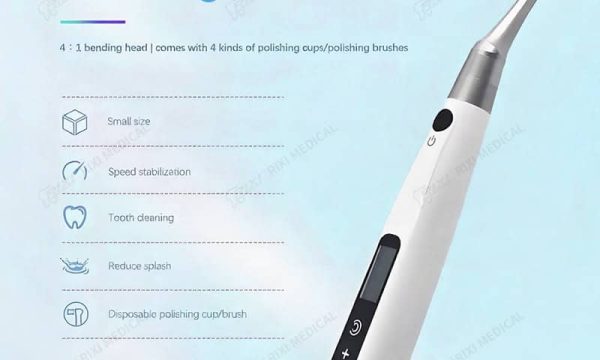
“Polishing machine,” “trimmer” or “workstation” can describe several configurations. Before comparing prices, normalize the quotation so each supplier is answering the same questions. The dental electric polishing machine is one example of a product that should be reviewed as a complete supplied set, not just as a name on a list.
- Identity: exact model, revision and ordered configuration.
- Included items: accessories, holders, cables, adapters, tools and consumable samples listed individually.
- Working envelope: machine dimensions plus space required to load, operate, clean and service it.
- Utilities: model-specific electrical and connection requirements.
- Consumables: compatible types, reorder references and any supplier limitations.
- Maintenance: permitted routine tasks, service intervals, wear parts and escalation route.
- Documents: user instructions, packing list, connection information and available product records.
Buyers comparing polishing options can browse the dental polishing machine category, then request the current specification for the exact quoted model. General category language should never replace written configuration confirmation.
Plan cleaning, dust and service access as part of procurement
Equipment can fit on a bench and still be difficult to operate or maintain. Review where residue is generated, how the surrounding surface is cleaned and which panels or filters need access. If a device requires extraction, drainage or another supporting system, show that connection on the room drawing and assign responsibility for supplying it.
Do not infer a cleaning method from product appearance. Ask for the manufacturer’s instructions for the ordered configuration and have the clinic or laboratory establish its own locally appropriate procedure. The same applies to internal service: routine user tasks and technician-only work should be separated in the handover documents.
Shared utilities also need a simultaneous-use check. A room may contain individually suitable machines that collectively exceed the planned electrical or extraction capacity. The project team should review the combined operating scenario rather than adding the ratings without considering how the room will actually be used.
Use a sample to confirm the purchasing specification
For a distributor or multi-site buyer, the sample is a reference for the repeatable order. Create an acceptance sheet before the sample arrives. It should cover identification labels, exterior condition, included accessories, control response, cable and connector condition, documentation, packaging and the agreed functional checks. Do not invent tests at receiving; use the supplier’s instructions and appropriately qualified personnel.
Photograph the accepted configuration and record any approved changes. If a control label, accessory set or packaging item changes later, the supplier should notify the buyer before production or shipment. This simple version-control step prevents the sample, quotation, manual and carton from describing different products.
Turn the quotation into a controlled equipment schedule
A useful equipment schedule gives purchasing, installation and support teams the same reference. Give every line item a unique description and include the model, quantity, ordered options, included accessories, utility requirements, document list and responsible owner. Keep optional items separate from the base configuration so they cannot be mistaken for standard inclusions.
For OEM/ODM or distributor projects, add the approved brand artwork, language, label version, carton marks and spare-parts plan. Destination-market requirements vary by jurisdiction. The supplier can provide available product information, while the importer and local professionals remain responsible for confirming what applies in the intended market.
Support planning should be completed before shipment. Identify the first contact, the information needed to open a service case and the route for parts or technical questions. RIXI Medical’s technical-support resources show the types of documentation and guidance buyers can discuss for the selected equipment; availability must be confirmed for the exact model and agreement.
Receiving and acceptance checklist
- Match the model and configuration to the purchase order.
- Check cartons and equipment for visible transport damage before use.
- Count accessories against the approved packing list.
- Confirm labels, plug or connection details and ordered language.
- Verify that manuals and model-specific documents are present.
- Keep protective materials until the initial inspection is complete.
- Record serial or batch references where applicable.
- Assign commissioning to the agreed qualified person.
- Document open items, owners and target closure dates.
- Store the final acceptance record with the equipment file.
Scope note: This article provides general procurement and supplier-handover guidance. It is not a laboratory process manual or a destination-country compliance opinion. Confirm exact specifications with the supplier and consult locally qualified professionals before installation or operation.
RIXI Medical is a dental equipment manufacturer and supplier based in Foshan, China. Buyers can review the wider product catalogue and request model specifications, drawings or OEM/ODM information for a defined equipment schedule.
Frequently asked questions
What should a buyer request before ordering dental lab equipment?
Request the current model specification, dimensions, rated electrical data, connection requirements, included-accessory list, maintenance information, packing details and available product documents. Ask the supplier to identify which features are standard and which are optional.
Should dental lab equipment be purchased as one package?
A package can simplify coordination, but only when every line item is specified. Compare the package by model, utility, accessories, documentation, service responsibility and acceptance criteria rather than accepting a single bundled description.
How can a distributor prevent mixed configurations on repeat orders?
Use a controlled SKU matrix linked to an approved sample. Record model revisions, options, accessories, labels, manuals and packaging. Require written change notification before production or shipment.
How should a buyer plan installation responsibilities?
Assign who provides utilities, places the equipment, performs commissioning, trains users and closes defects. Confirm those responsibilities in writing and have local qualified professionals review site and regulatory requirements.
Need Dental Equipment Pricing or Configuration Details?
Contact RIXI Medical for model comparison, distributor pricing, packaging information, OEM/ODM requirements and after-sales support.
Request Product Information