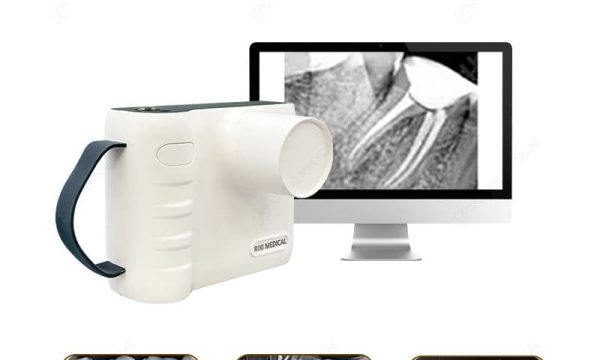
A dental chair light is often quoted as a simple accessory, yet it connects to the chair electrically, mechanically and operationally. A lamp head that looks suitable in a product photo may require a different mounting post, transformer, control interface or service procedure. Clinic buyers and distributors should therefore approve the light as a defined configuration, not as a generic add-on.
This guide explains what to confirm before purchasing dental chair lights for a new chair, a clinic refurbishment or a distributor package. It is a procurement and handover checklist, not installation advice. Exact specifications must be confirmed with the supplier, while electrical work and installation should follow the manufacturer’s instructions and applicable local requirements.
Start with the intended configuration
First decide whether the light will be supplied as part of a complete dental unit, installed on an existing chair, mounted independently or held as a replacement part. These use cases create different compatibility questions. A complete package can be checked against one controlled bill of materials; a retrofit needs documented evidence that the new lamp matches the installed chair and does not interfere with its movement or service access.
For a chair-and-light package, compare the proposed configuration with a complete product such as the R1 integrated dental chair with LED light. Buyers evaluating a separate lamp can also review the current RIXI dental operating light. Product photographs help identify the configuration, but the written specification and drawing should control the order.
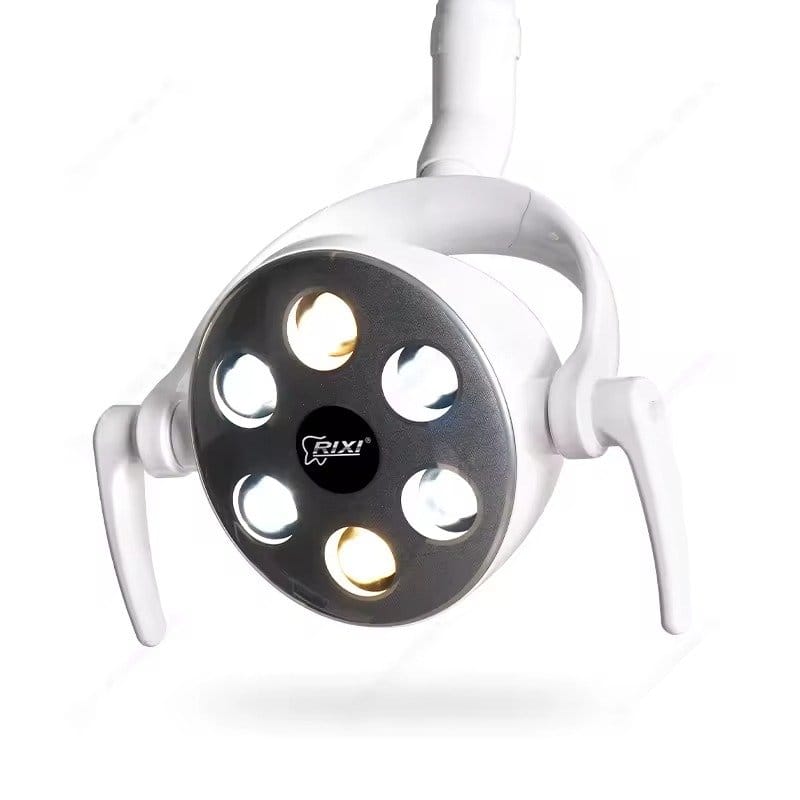
Confirm the mounting interface and movement envelope
Ask the supplier to identify the mounting method, post or adapter dimensions, fastening arrangement and the chair models to which the configuration applies. If the lamp attaches to the dental unit, request a drawing that shows the interface rather than relying on a description such as “standard mount.” Where an adapter is needed, it should appear as a separate line in the quotation and packing list.
The arm and joints also need enough travel for the planned operatory. Review the working envelope with the chair raised, lowered and reclined, and check clearance from cabinetry, ceiling-mounted equipment and delivery-system arms. A compact room may require a different parking position from a larger operatory. Buyers should obtain the supplier’s movement drawing and have the room plan reviewed by qualified local personnel before installation.
Specify power and controls as part of the order
Do not assume that matching connectors prove electrical compatibility. Record the lamp’s rated input, the power source supplied with it, connector type, cable route and any relationship to the chair’s transformer or control board. The chair model, destination voltage and frequency should appear on the approved configuration sheet. If a lamp is intended as a retrofit, the supplier should state whether additional components are required.
Controls should be described just as clearly. Confirm whether operation is through a physical switch, touchless sensor, chair control panel or another interface. Ask which functions are included in the exact quoted version, how modes are selected and what happens when the chair is powered off and restarted. General catalog language should not be substituted for model-specific instructions.
Compare light performance with documented values
Supplier specifications may describe illumination, color temperature, beam pattern, adjustment range and operating modes. Request the test method or product document used for the values in the quotation. Buyers do not need to treat the largest number as automatically better; the useful decision is whether the documented range and controls match the team’s intended workflow and the applicable purchasing requirements.
| Item to confirm | Evidence to request | Common purchasing risk |
|---|---|---|
| Illumination range | Model-specific specification and control steps | Using a family brochure for a different version |
| Color modes | Written list of available modes for the quoted lamp | Assuming every housing includes the same LEDs |
| Beam pattern | Supplier drawing, test image or product document | Judging performance from a retouched sales photo |
| Arm movement | Reach and rotation drawing | Discovering cabinet or wall interference after delivery |
| Controls | Operating instructions for the exact version | Expecting chair-panel integration that is not included |
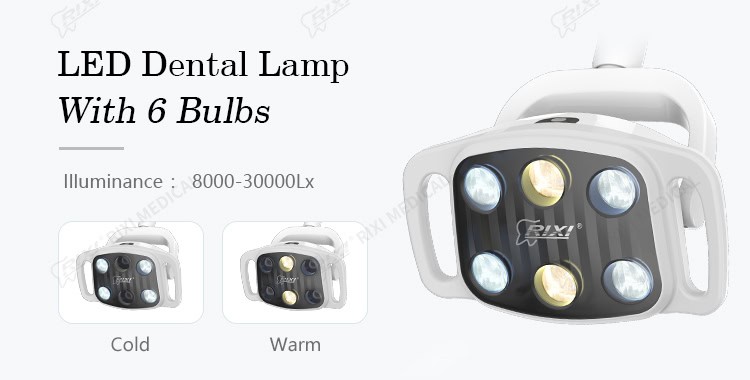
Review cleaning, handles and service access
Ask which external surfaces and handles are removable, how they are identified in the parts list and which care instructions apply. Cleaning compatibility should come from the product documentation, not from an assumption that all plastics tolerate the same chemicals. If protective barriers are used in the clinic, confirm that they do not obstruct controls, vents or movement.
Serviceability matters because the lamp is a moving electrical assembly. Request an exploded view or parts list showing the lamp head, handles, arm joints, power components and mounting hardware. Clarify which items are normally replaced as complete assemblies and which can be ordered separately. The supplier should also identify the information a technician will need when requesting parts, such as model, serial number and production revision.
For wider equipment planning, browse the dental lamp category and the broader dental accessories range. Keep the selected part numbers with the chair’s equipment record so later service enquiries do not depend on visual matching alone.
Build a distributor-ready document package
Distributors need more than a sales image and a carton label. The handover set should connect the commercial item code to the manufacturer’s model, approved configuration and applicable instructions. If branding, packaging or language changes are requested, control the artwork revision and do not alter technical labels without written approval from the responsible manufacturer.
A practical package may include the approved specification, interface drawing, operating instructions, packing list, parts list and supplier contact route. Regulatory documents vary by destination and product configuration; buyers should request the records applicable to the exact item and have market-specific requirements reviewed by qualified specialists. RIXI Medical’s quality-control overview and technical-support page provide useful starting points for discussing inspection and handover needs.
Use a receiving and acceptance checklist
At receipt, match the product label and packing list to the approved order. Inspect the lamp head, handles, arm sections, mounting hardware, cables and any adapter or power component for visible damage or omissions. Record discrepancies before installation and keep the packaging until the issue is resolved.
Installation and functional checks should be completed under the applicable instructions. The acceptance record can document that the ordered configuration was received, the mounting is secure, movements and controls operate as specified, cables are routed correctly and the required documents were handed over. Do not use the acceptance check to create unverified performance or compliance claims.
Frequently asked questions
Can any dental chair light fit any chair?
No. Appearance alone does not establish compatibility. The supplier should confirm the mounting interface, power arrangement, controls and applicable chair model in writing.
Is an LED lamp automatically better than every halogen lamp?
Technology labels alone are not enough for a purchasing decision. Compare the documented light performance, controls, heat management, service parts and compatibility of the exact models being considered.
What information should be sent for a replacement enquiry?
Provide the chair manufacturer, model and serial number, photographs of the complete chair and existing lamp, images of accessible labels and connections, and a clear description of the component being replaced. A technician may need to supply additional measurements or drawings.
Which spare parts should a distributor request?
Ask the supplier for the model-specific parts list and recommended service stock. Handles, mounting hardware, control components and complete lamp assemblies may be managed differently, so do not create a generic spare list without supplier confirmation.
RIXI Medical is a dental equipment manufacturer and supplier based in Foshan, China. Buyers preparing a chair-light package or replacement enquiry can request the applicable specifications, drawings and distributor information for the exact configuration under review.
Need Dental Equipment Pricing or Configuration Details?
Contact RIXI Medical for model comparison, distributor pricing, packaging information, OEM/ODM requirements and after-sales support.
Request Product Information