A chamber marked with a nominal capacity does not tell a buyer whether the clinic’s instrument cassette will fit. The opening, rack, tray edges, handles and packaged load can restrict usable space long before the advertised chamber volume is reached. An order based only on liters may therefore arrive with an accessory system that does not match the instruments it was intended to accommodate.
This guide focuses on mechanical fit and purchasing records for autoclave trays and instrument containers. It is written for clinic procurement teams and distributors comparing a proposed equipment configuration. A physical fit check does not establish a valid sterilization process. Load compatibility and processing instructions must also be confirmed for the sterilizer, instruments, container and packaging used.
Measure the complete assembly that enters the chamber
Record the external dimensions of the proposed cassette or container, including protruding hinges, handles, feet and latches. If it will be packaged, measure the assembly in its intended packaging rather than relying on the unwrapped metal enclosure. Label every measurement with its orientation and identify which surface faces the chamber opening.
Give the supplier a drawing or clear photographs with dimensions. The phrase “standard dental cassette” leaves too much unresolved: two boxes with similar names may have different handle positions or overall heights. Start with the current tabletop autoclave product information, then ask for the actual chamber and accessory drawings for the configuration under consideration.
For a fleet of mixed instruments, identify the largest routine assembly and any exceptional container separately. Do not assume that a combination that fits one tray will fit every tray position. Record the exact container reference so the decision remains traceable when the clinic later replaces its instrument sets.
Ask for four dimensions instead of one volume
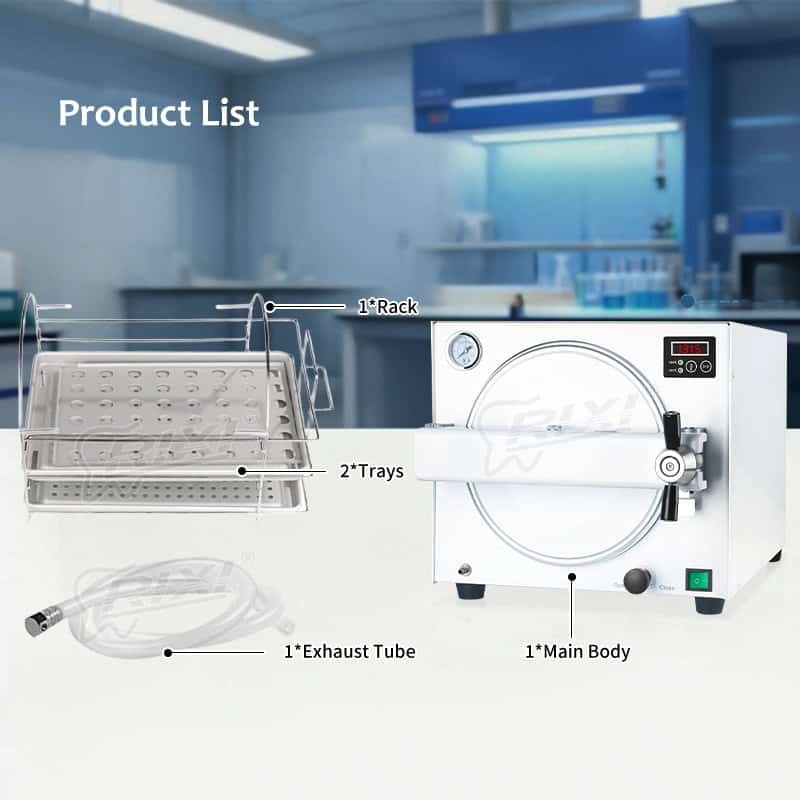
The buyer needs the chamber’s internal dimensions, the clear entry opening, each tray’s usable area and the vertical separation available with the rack installed. Request information on tray lips, rack supports and any component that projects into the loading space. A cylinder’s nominal volume cannot replace these measurements.
Compare the information in the loading orientation. A container may pass through the opening diagonally but be unsuitable for the approved placement inside. Similarly, a rack may reduce usable depth or prevent a lid or handle from clearing the door. Ask the supplier to show the assembly with the actual rack fitted, rather than photographing an empty chamber.
| Fit record | Evidence to request |
|---|---|
| Entry opening | Clear width and height, with door and internal projections shown |
| Tray space | Usable width and depth inside the tray edges |
| Rack arrangement | Position spacing, support geometry and removable components |
| Door closure | Permitted loading depth and clearance from the door assembly |
| Container identity | Reference, external dimensions and intended packaged arrangement |
Separate dimensional fit from permitted loading
Fitting inside a chamber is only the first gate. The manufacturer may specify a particular loading arrangement, allowed container types, spacing or load restrictions. Obtain those instructions before treating the arrangement as acceptable. Do not stack containers, remove racks or change tray positions merely to make a proposed load fit.
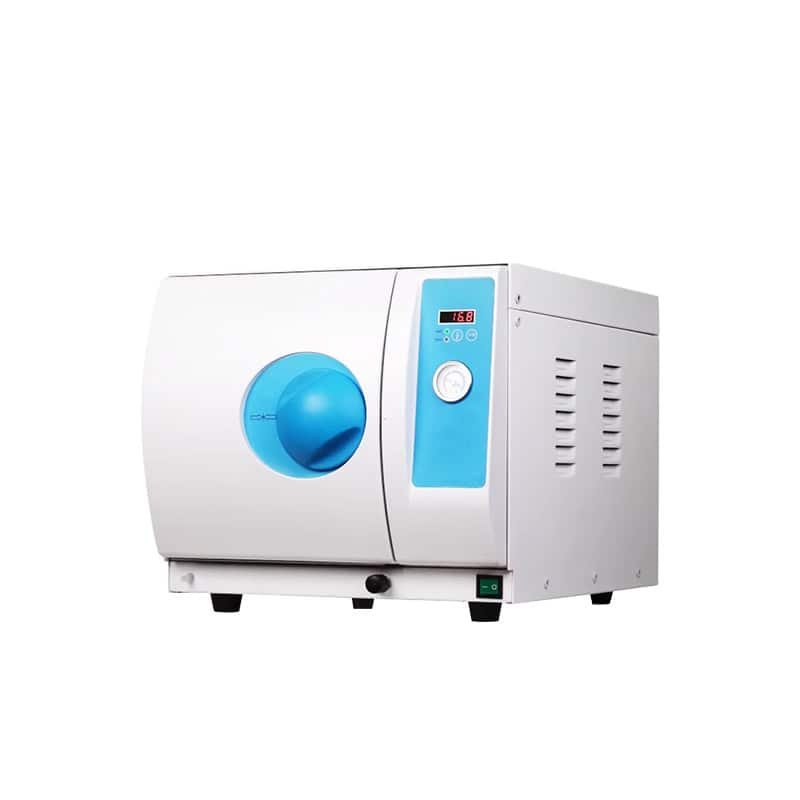
For the front-door dental autoclave configuration, ask which accessories are standard and which are optional. A photo showing several trays does not establish the permitted load for every cycle. Keep the tray drawing and the relevant loading instructions together so a purchasing decision is not mistaken for a processing approval.
This distinction also matters when comparing different equipment formats. The digital tabletop sterilizer should be assessed using its own current documentation. Similar housings and advertised capacities do not prove equivalent racks, trays or loading conditions.
Build a sample fit review with a clear exception log
Agree with the supplier how dimensional compatibility will be demonstrated. Options may include a drawing review, an instrument-container sample or a supervised fit check on the exact equipment configuration. Use the current instructions and appropriately qualified personnel. Record the rack and tray references involved in the demonstration.
Check insertion, withdrawal and door clearance without forcing the container or modifying any component. Note whether handles can be reached as intended and whether the assembly can be handled consistently. If an issue occurs, record the interference point and the proposed resolution. Avoid approving a unit on the basis that staff can “make it work” with an undocumented arrangement.
The sample record should separate confirmed fit, instruction-dependent approval and unresolved questions. A purchasing manager can approve an accessory quantity, but any processing question still needs the responsible clinical team and relevant manufacturer documentation. Sample acceptance should not imply a clinical result.
Put the approved accessory references into repeat orders
Once the review is complete, add the rack and tray references to the purchase order and packing list. Identify included quantities, optional items and replacement references. Ask whether a replacement rack or tray can differ between production revisions and what information is required to identify the correct part.
Keep the supplier’s dated reply with the configuration record. When a cassette, packaging format or instrument mix changes, revisit the fit assessment rather than copying the previous order. The autoclave equipment range provides options to discuss, while the approved record establishes which combination the clinic actually purchased.
A useful handover includes the container drawing, chamber and rack information, accessory list, permitted loading documentation and unresolved-item closure. These records help a later buyer distinguish an identical replacement from a visually similar substitute.
Buyer questions
Does an 18-liter chamber fit every dental cassette?
No. Nominal capacity does not establish opening clearance, usable tray area, rack spacing or loading approval. Compare the exact container and equipment configuration.
Can the rack be removed to create more space?
Only if the equipment manufacturer’s current instructions permit the proposed arrangement. An improvised fit is not evidence that the load is approved.
Scope: This is general procurement guidance for dimensional and accessory checks. Confirm exact loading, packaging and processing requirements with the relevant manufacturers and locally qualified professionals.
RIXI Medical is a dental equipment manufacturer and supplier in Foshan, China. Request chamber, tray and rack drawings with the external dimensions and references of the containers you intend to use.
Need Dental Equipment Pricing or Configuration Details?
Contact RIXI Medical for model comparison, distributor pricing, packaging information, OEM/ODM requirements and after-sales support.
Request Product Information