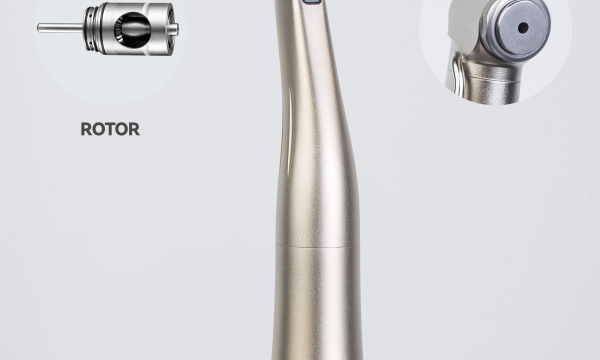
A handpiece can be correctly described by its speed class or reduction ratio and still arrive with the wrong bur interface or an unclear chuck configuration. For a clinic, that can delay acceptance of a replacement instrument. For a distributor, it can create a repeat-order problem because two visually similar heads may require different approved burs, service parts, or inspection instructions.
This guide focuses on one narrow purchasing decision: documenting dental handpiece chuck and bur fit before an order is released. It does not provide clinical technique, chairside operating advice, or a universal compatibility table. RIXI Medical is a dental equipment manufacturer and supplier based in Foshan, China; the supplier-side checks below are intended to help buyers request model-specific evidence and keep the approved configuration traceable.
Start with the exact handpiece identity
Do not begin with “high speed,” “contra-angle,” or “push button” as the complete specification. Record the manufacturer, model, variant, reduction ratio or drive class where applicable, head version, illumination option, and the connector or motor system it will be used with. A product family may include several head or chuck versions, and a catalog photograph may not show the difference clearly.
For an existing fleet, link the request to the clinic’s equipment register. For a new purchase, ask the supplier to state the full model on the quotation, packing list, label, and manual. The dental handpiece range can help create the model list, while the high-speed handpiece comparison guide covers the wider questions of coupling, spray, lighting, and service support.
Separate bur specification from chuck description
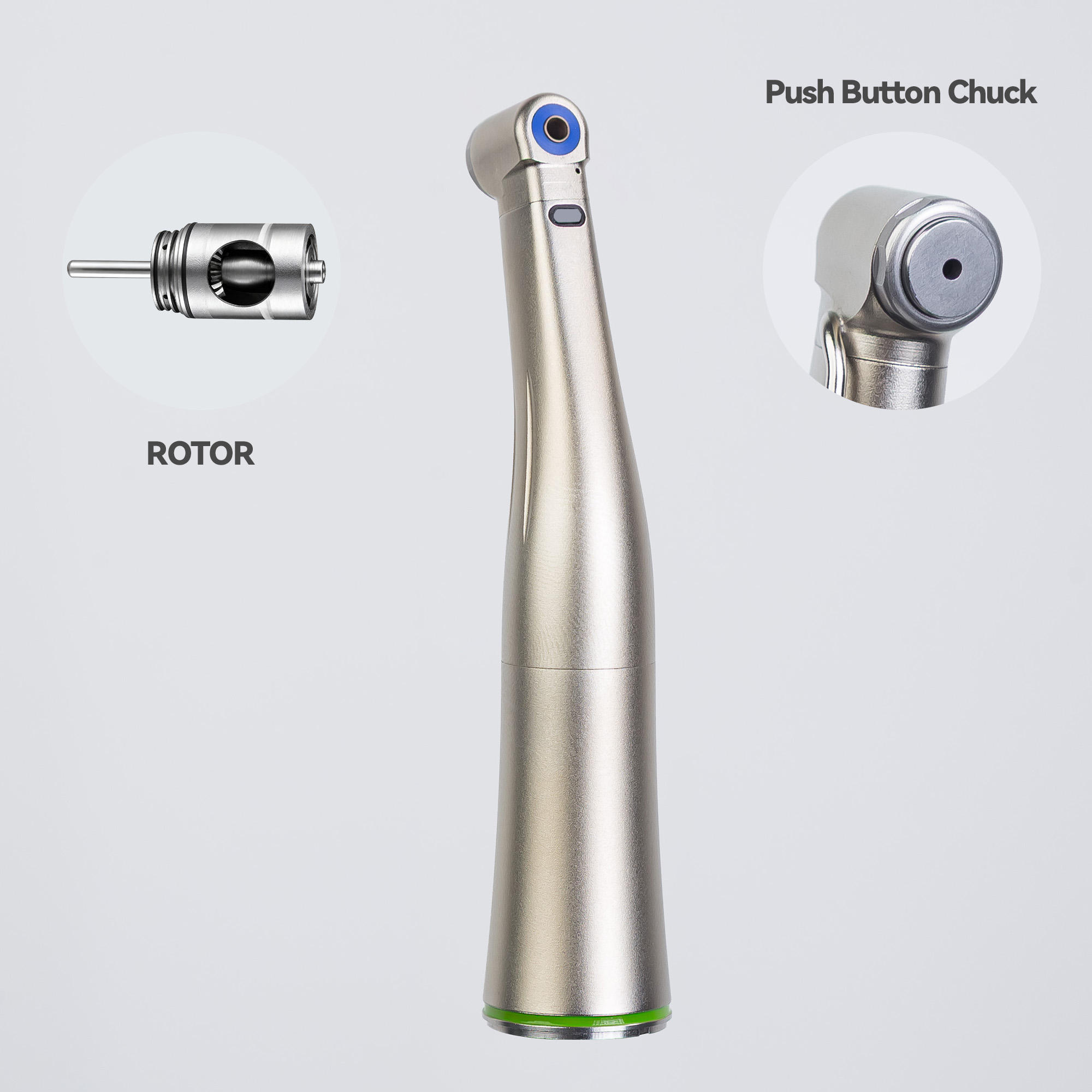
“Push button” describes how the chuck is operated; it does not by itself establish which bur is permitted. Ask for the bur shank requirements and any model-specific limits in the current instructions. Keep the bur manufacturer’s designation and the handpiece manufacturer’s permitted configuration in the same review record. If either document is missing, mark the point as unresolved rather than borrowing a dimension from another handpiece.
Buyers should also distinguish between a handpiece supplied with a demonstration component and a statement of compatibility. A component shown in photography is not automatically included, approved for every application, or suitable for reuse. The quotation should list what is supplied, and the manual should identify what the user is expected to provide.
Request evidence that can survive a repeat order
A useful supplier reply should be more precise than “standard bur” or “fits most systems.” Ask for a current model sheet or manual reference, a clear head photograph, the chuck type, the approved bur-shank description, the supplied accessory list, and the service-parts reference. If the supplier uses an internal version code, include it in the order file.
| Buyer question | Evidence to request | Reason to retain it |
|---|---|---|
| Which exact head and chuck are quoted? | Model code, revision, head photograph, current specification | Prevents a visually similar variant from being substituted |
| Which bur interface is permitted? | Model instructions and bur-shank requirement | Keeps selection tied to the manufacturer’s stated limits |
| What is included with the handpiece? | Quotation scope and accessory list | Separates included items from optional tools or samples |
| How is the chuck checked and serviced? | Inspection instructions, service boundary, parts reference | Supports receiving checks and qualified repair enquiries |
| How will the same version be reordered? | Approved sample record, label photo, order code | Reduces ambiguity in later clinic or distributor orders |
The 20:1 LED implant contra-angle page and the 20:1 non-LED version illustrate why the full variant matters: both show a push-button head, while illumination and system interfaces must still be confirmed separately. These product pages are examples, not a universal specification for other handpieces.
Use a controlled sample review
For a distributor program or a clinic standardizing several rooms, approve one identified sample before releasing a larger order. The review should use the intended motor or coupling, the permitted bur type, and the supplier’s current instructions. Record the sample model, visible markings, packaging label, document revision, and the people responsible for technical approval.
A receiving review can confirm identity, supplied contents, obvious shipping condition, and whether the chuck operates as described in the instructions. It should not turn into improvised disassembly or an unqualified retention test. Any functional test, measurement, servicing, or acceptance limit should follow the manufacturer’s documented method and be handled by appropriately qualified personnel.
Keep chuck service within a defined boundary
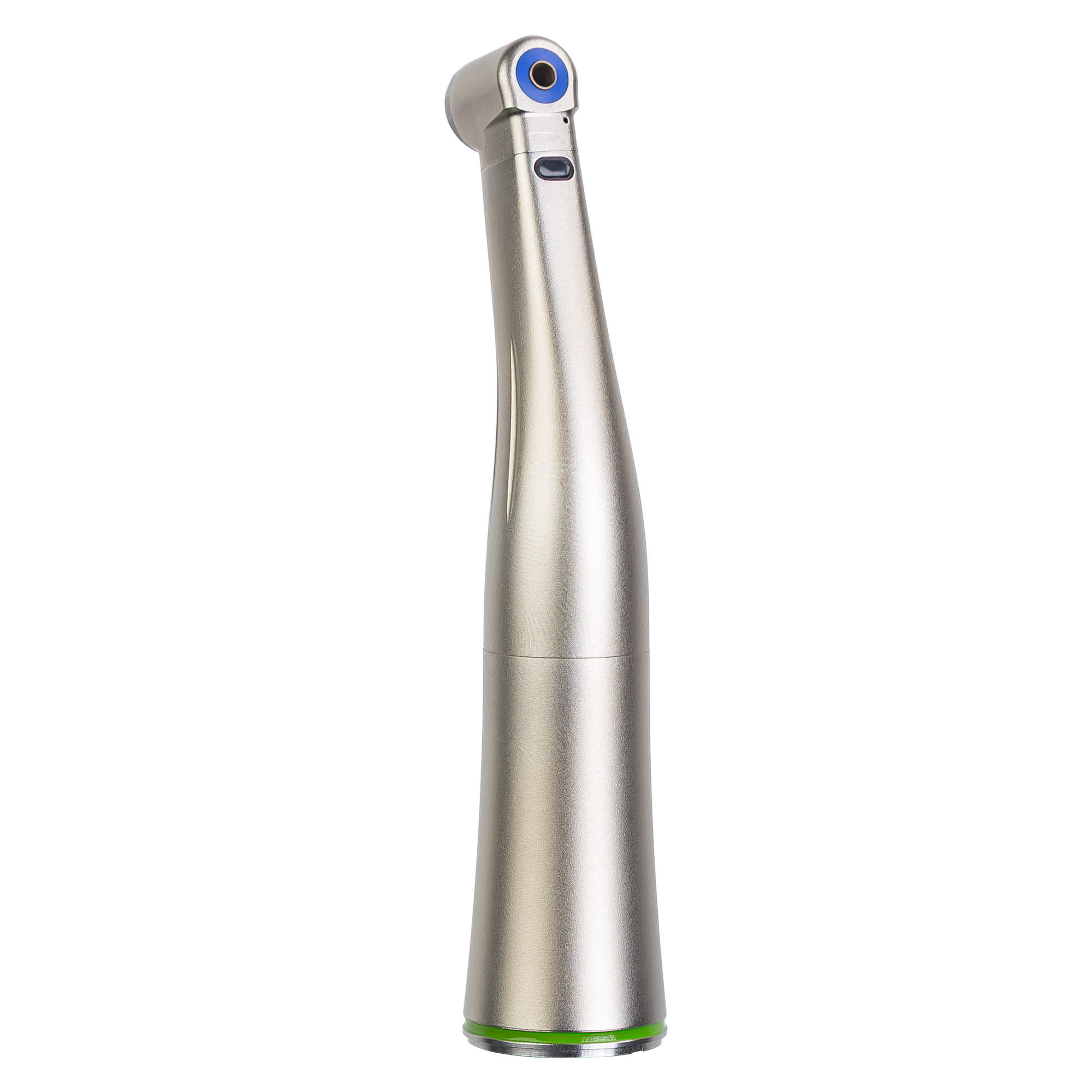
A poor fit, incomplete insertion, unusual release action, or visible damage should be treated as an observation to document, not a diagnosis to improvise. Stop the purchasing or acceptance decision, retain the handpiece and bur identity, and ask the supplier or authorized service route what evidence is required. Do not assume that cleaning, lubrication, a replacement cartridge, or a new chuck will solve the issue without model-specific guidance.
The service file should distinguish user checks permitted by the instructions from work requiring a qualified technician. Ask whether the chuck is supplied only as part of a head or cartridge assembly, which service tools are required, and whether a replacement changes the model or revision record. The technical support page lists the equipment identity and visual evidence useful in a support enquiry.
Control substitutions and mixed stock
Substitution risk increases when several handpieces share a drawer, processing route, or distributor catalog. A buyer should not approve an alternative because it has the same reduction marking, similar head shape, or the same push-button action. Compare the complete model record and obtain written confirmation for the intended system.
Keep approved burs and handpieces grouped by the clinic’s own controlled inventory method. The handpiece inventory planning guide explains how to separate ready, processing, repair, and reserve stock without assuming that every instrument is interchangeable. For distributor orders, retain the approved sample code and revision in the sales and service file so a later reorder does not rely on memory or photography alone.
Buyer approval checklist
- The exact handpiece, head, chuck, lighting, and drive configuration are named.
- The current instructions identify the permitted bur interface.
- The quotation separates included items, options, and buyer-supplied burs.
- The approved sample and production order use the same model and revision references.
- The receiving team knows what it may inspect and when to stop for technical review.
- The supplier has provided a service route and traceable replacement-part reference.
- Any proposed substitution requires documented compatibility approval before release.
Scope note: General procurement checks apply broadly, but bur dimensions, operating limits, inspection methods, maintenance, and reprocessing requirements are model specific. Confirm them in the current supplier documentation and have qualified local professionals review the intended configuration before purchase or use.
Frequently asked questions
Does a push-button chuck accept the same bur across all handpieces?
No. The operating method alone does not establish the permitted bur interface. Use the exact handpiece instructions and the bur manufacturer’s specification.
Can a catalog photo confirm bur compatibility?
No. A photo can help identify visible design features, but it cannot confirm hidden dimensions, retention limits, revision, or approved combinations.
What should a distributor save after sample approval?
Keep the full model and revision, label and head photos, document references, approved configuration, supplied accessories, and the order code used for repeat purchases.
What should a buyer do if a sample bur does not fit as expected?
Stop the review, record both product identities and the observable condition, and request model-specific guidance. Do not force the bur or alter the chuck.
Request a model-specific configuration review
For an OEM, distributor, or clinic order, send RIXI Medical the intended handpiece model, motor or coupling, illumination requirement, bur specification, and quantity. Use the contact page to request the current specification and confirm the quoted configuration before approving a sample or repeat order.
Need Dental Equipment Pricing or Configuration Details?
Contact RIXI Medical for model comparison, distributor pricing, packaging information, OEM/ODM requirements and after-sales support.
Request Product Information