A dental chair repair quote should make the proposed work easier to approve, not force the clinic to guess what the technician will replace. A useful quote links the reported fault to one identified chair, names the parts and labor included, states what remains uncertain, and explains how additional work will be authorized. This is especially important when a clinic operates several chair models or buys support through a distributor.
This guide is for clinic owners, procurement teams and distributors reviewing repair proposals for equipment in a dental chair product range. It does not diagnose faults or tell unqualified staff to open equipment. Technical procedures, isolation requirements and return-to-service decisions must follow the applicable model documentation and be handled by appropriately qualified personnel.
Start with the exact asset and the service evidence
The quote should identify the affected chair before it lists a repair. Record the manufacturer, model, serial number or other supplier-recognized identifier, installed configuration and location. If the fault concerns a delivery unit, foot control, light, motor, side box or another subassembly, the quote should name that subassembly rather than referring only to “the chair.” Photos of rating labels and connector arrangements can help the supplier match the installed version.
Attach the evidence already collected during the service request: the observed symptom, when it occurred, whether it is intermittent, messages or indicators shown by the equipment, and any actions taken by qualified service personnel. A structured dental chair downtime log is useful here because it separates observations from assumed causes. The quote does not need to repeat the entire history, but it should reference the same case or work-order number so the commercial approval and technical record stay connected.
Separate diagnosis, authorized work and unresolved conditions
A quotation may be issued after a remote review, an on-site inspection or a confirmed diagnosis. Those are different evidence levels. The document should say which stage has been completed and whether the proposed repair is fixed, provisional or subject to inspection after access. If the supplier cannot confirm a part until a cover is removed or a circuit is tested, that uncertainty should be visible before approval.
| Quote section | Buyer check | Why it matters |
|---|---|---|
| Asset identity | Model, identifier, site and affected subassembly match the service record. | Prevents work and parts being assigned to the wrong configuration. |
| Diagnostic basis | States whether the proposal follows remote evidence, inspection or confirmed testing. | Shows how much uncertainty remains before work begins. |
| Authorized scope | Lists inspection, removal, replacement, adjustment and verification separately. | Distinguishes included work from assumptions. |
| Parts | Includes part reference, description, quantity, compatibility basis and substitution status. | Makes purchasing and later traceability possible. |
| Commercial boundary | Labor, travel, freight, taxes, site access and disposal are itemized or explicitly excluded. | Allows like-for-like approval without inventing a total cost. |
| Change control | Names who may approve additional work and how revised cost or timing will be recorded. | Stops an open-ended service visit from becoming an undocumented order. |
| Closeout | Defines the service report, parts record and functional checks expected at handover. | Provides evidence that the agreed work was completed. |
Control part identity before approving substitutions
A familiar part name is not enough. “Motor,” “valve,” “control board” or “hose set” can refer to several revisions. Ask for an orderable reference tied to the installed model and, where relevant, the assembly position or connector. The proposal should also distinguish a complete assembly from an individual component. That difference affects installation time, remaining reusable items and future spare-parts records.
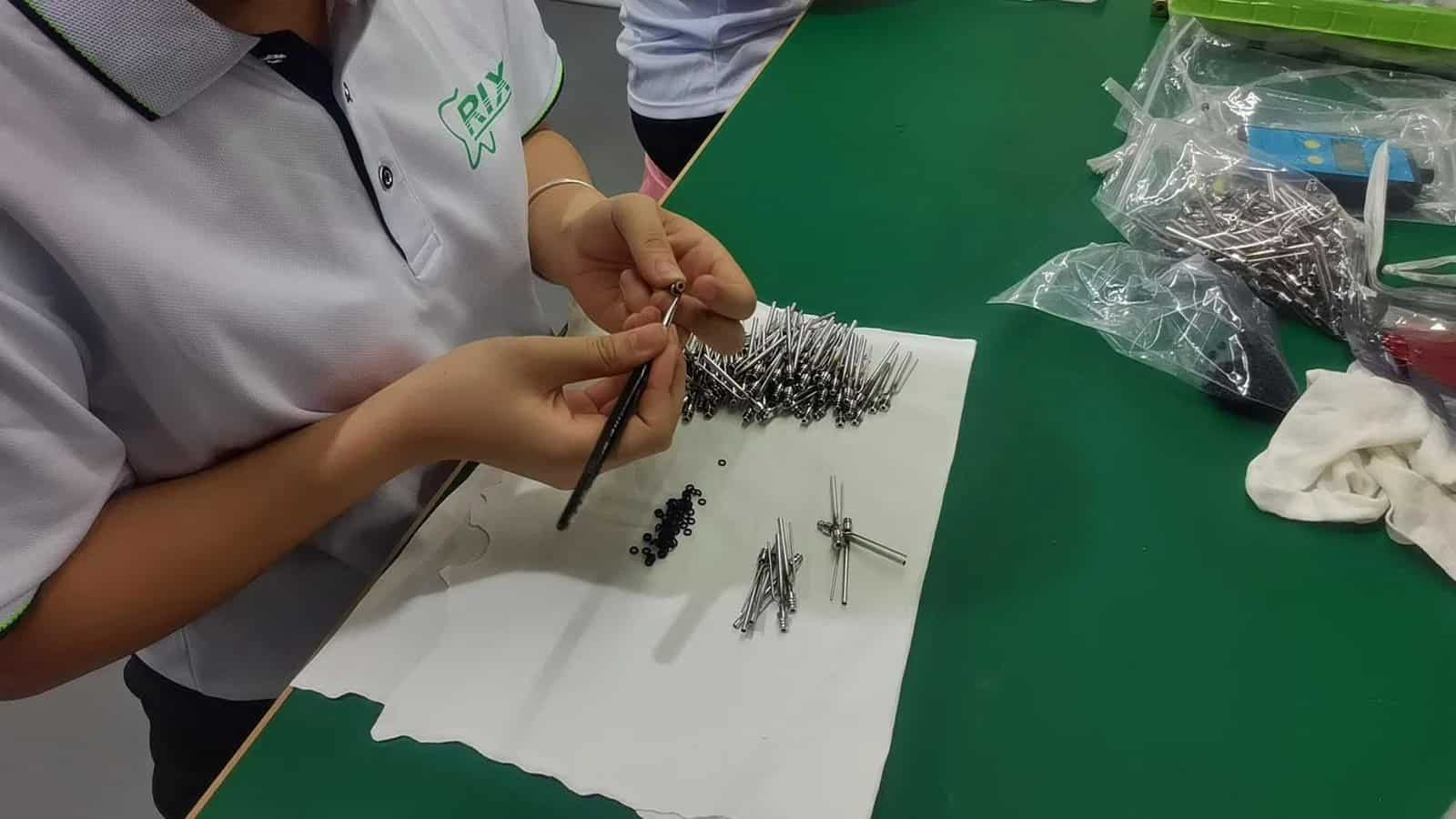
If an alternative part is proposed, request a documented compatibility statement and identify who is approving the change. The replacement should not silently alter interfaces, operating limits or the service method for the chair. Distributors can use the same discipline when building a model-linked dental chair spare-parts kit: stock records are useful only when the model, revision and substitution history remain visible.
Define labor, access and site responsibilities
Two quotes with the same replacement part can cover different work. Check whether the scope includes initial inspection, equipment isolation, removal, installation, cable or tubing reconnection, adjustment, cleaning of the immediate work area and functional verification. Travel, after-hours access, repeat visits and freight may be separate items. Requirements vary by location and service arrangement, so the supplier should state them rather than relying on a generic “labor included” line.
The clinic also needs to know what it must prepare. This may include access to the operatory, the equipment record, an authorized contact, a safe work window and any site-specific permission required for the service provider. Do not ask clinic staff to perform internal technical work to reduce the quote. Routine operator checks and escalation boundaries belong in the clinic’s dental chair maintenance checklist; internal repair tasks should remain within the approved service scope.
Set a change-approval rule before work starts
A repair can reveal a different condition from the one visible during the initial review. The quote should explain what happens next. A practical rule requires the technician or service coordinator to stop at the agreed boundary, document the new finding, identify any additional part or labor, and obtain approval from a named person. The revised authorization should retain the original work-order reference.
For distributors managing service across several clinics, define approval thresholds and contacts before dispatch. A technician should not have to decide which buyer can authorize extra work. The clinic should not receive several informal messages that cannot be reconciled with the final invoice. One controlled revision or change record is easier to audit and supports future purchasing decisions.
Close the repair with evidence, not only an invoice
The handover should confirm what was found, what was replaced or adjusted, the references and quantities used, and what checks were completed. It should also list unresolved observations and any follow-up action. A replaced component may need to be returned, retained for review or disposed of under an agreed process; the quote should state the expected disposition instead of leaving the part untracked.

Functional verification must be appropriate to the repaired assembly and the model instructions. It may document that the agreed control, movement, light, air, water or suction function was checked, but it should not claim clinical performance from a workshop or service test. For model-specific questions, compare the proposal with the supplier’s technical documentation or request support through RIXI Medical technical support. A current product page such as the R1 integrated dental chair can help identify the offered configuration, but the installed chair record remains the controlling reference.
Repair quote approval checklist
- The chair, site and affected assembly are identified.
- The quote states the evidence behind the proposed repair.
- Included work and exclusions are separated.
- Every replacement part has a traceable description and reference.
- Substitutions require documented approval.
- Labor, travel, freight and site responsibilities are visible.
- A named person controls additional work.
- The closeout package includes a service report, parts record and unresolved items.
Frequently asked questions
Should a repair quote include a guaranteed diagnosis?
Not always. When access or testing is still required, the quote should state that the diagnosis is provisional, explain the next inspection step and define how additional work will be approved. It should not present an assumption as a confirmed cause.
How should replacement parts be described?
Use the supplier’s part reference, plain-language description, quantity, compatible model or revision, and whether the item is an original specified part or an approved alternative. Generic names alone are difficult to verify later.
What should happen if the technician finds extra work?
The technician should document the finding and stop at the agreed boundary unless a named buyer approves a revised scope. The change should remain linked to the original case and show any added parts, labor and timing implications.
What should the clinic receive after the repair?
Ask for a service record showing the asset, observations, work completed, parts used, checks performed, replaced-part disposition and any open actions. The record should be useful for the next service event and for future procurement review.
Need Dental Equipment Pricing or Configuration Details?
Contact RIXI Medical for model comparison, distributor pricing, packaging information, OEM/ODM requirements and after-sales support.
Request Product Information