
A planned maintenance visit and an emergency repair call are different purchases. Yet an autoclave quotation may describe both as “after-sales service,” leaving the clinic unsure what will actually be provided. Before relying on that phrase, ask the proposed provider to define the equipment covered, the work included, the records supplied and the conditions that trigger another quotation.
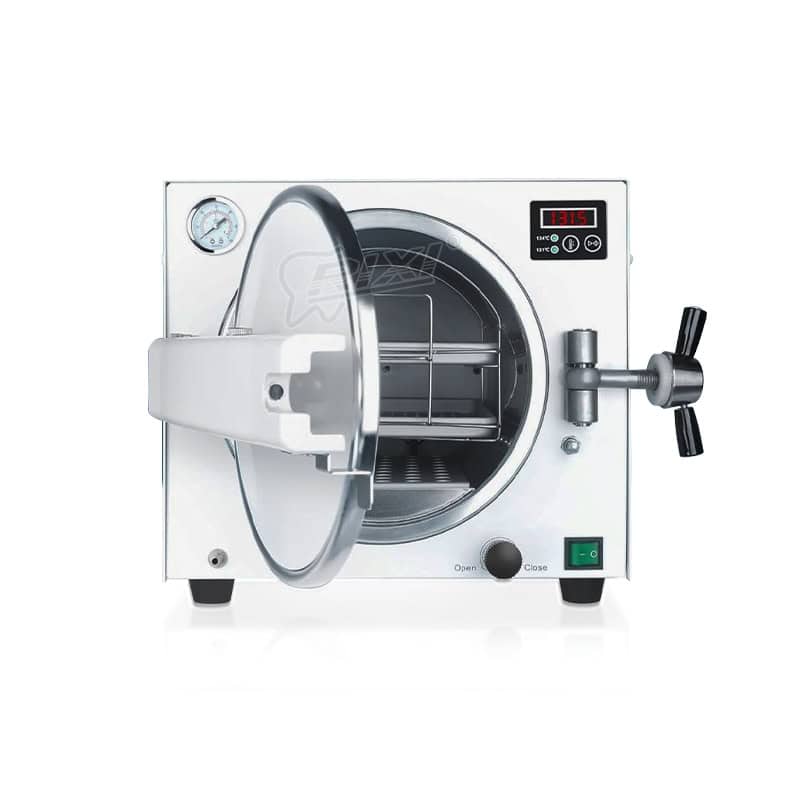
This guide helps clinic owners and distributors review a dental autoclave service agreement. It concerns purchasing and accountability, not maintenance procedures. For a front-door dental autoclave configuration, obtain current model documentation before agreeing a service scope. Neither exterior appearance nor nominal chamber volume establishes what a particular machine requires.
Start with the equipment register, not a generic coverage label
List the model, available unit identifier, electrical version, location and applicable manual revision. Identify any separate accessories that the provider is expected to cover. A distributor with several customers should map each customer’s asset reference to the supplier’s model so a service booking cannot silently move to a different configuration.
Ask who will perform the work and how their suitability for that model will be established. Separate the manufacturer, distributor, local service provider and clinic responsibilities. A supplier contact number does not prove that local attendance, travel or replacement equipment is included. Record the proposed arrangement and obtain clarification wherever responsibility changes hands.

Let applicable instructions define the maintenance basis
Request the manufacturer’s current maintenance information and ask the service provider to identify which tasks its proposal covers. Do not create a universal monthly or annual interval from another machine’s manual. Ask how any calendar-based, usage-based or condition-related requirements in the applicable documents will be tracked, and who will notify the clinic when action is due.
Keep user responsibilities distinct from work requiring qualified service personnel. A maintenance agreement should not encourage staff to open pressure-related or electrical assemblies, bypass controls or invent cleaning methods. If instructions are unclear, seek clarification from the responsible manufacturer and qualified local professionals rather than adding an informal workaround to the service schedule.
The CDC’s dental sterilization and disinfection guidance emphasizes manufacturer instructions and keeping them available. That general resource is not a model-specific maintenance schedule or an endorsement of a particular supplier.
Compare quotations line by line
| Service line | Clarification to obtain | Evidence to retain |
|---|---|---|
| Planned attendance | Which equipment, tasks and visit arrangements are included? | Asset list and defined scope linked to applicable instructions. |
| Parts and consumables | Which items are included, excluded or separately authorized? | Agreed references and the approval route for additional items. |
| Technical checks | Which checks apply to the model and work performed? | Provider’s documented scope and required completion records. |
| Fault callouts | How are enquiries, attendance and repair work distinguished? | Contact arrangements and any written service targets. |
| Travel and transport | Who arranges access, collection, packing and associated costs? | Responsibilities and exclusions for the specific location. |
| Completion | What report is supplied and who reviews unresolved items? | Service record and the clinic’s designated review route. |
Compare equivalent scopes rather than selecting the lowest headline fee. A proposal covering inspection only is not directly equivalent to one including specified replacement items. Where an answer is missing, mark it unresolved; do not assume that silence means inclusion.
Specify a usable service report before booking work
Ask for a report identifying the equipment, work date, responsible provider, tasks completed, parts used and outstanding findings. The report should distinguish observations from conclusions and state which checks were actually performed. A signature or an invoice stating “serviced” is not a substitute for the agreed technical record.
When a component is replaced, retain its reference and applicability confirmation. The autoclave spare-parts identification guide explains that ordering step in more detail. Do not let a broad service agreement become permission to fit an undocumented substitute.
Technical completion and the clinic’s decision to return equipment to its approved workflow remain separate responsibilities. Ask the appropriate qualified parties what documentation and review apply to the work performed. Procurement staff should not create pass criteria or authorize clinical processing from this checklist.
Clarify what the provider means by “calibration”
If a quotation uses this term, ask what activity is actually offered, which part of the equipment it concerns and what record will be supplied. Do not treat the word as a blanket statement that every function, processing outcome or local requirement has been verified. The relevant technical provider should define the scope and applicable basis.
Ask how any measurements in the service report will be tied to the identified machine and the work performed. Where supporting measurement-equipment records are relevant to the agreed task, have the qualified reviewer specify what evidence is needed. Purchasing staff should request the evidence, not invent tolerances or judge an unfamiliar result from a brochure.
Finally, identify who will receive and review the report. A record stored only in a departed employee’s inbox is difficult to use when a later service provider needs the equipment history.
Keep uncertain costs and availability visible
Ask how additional work is quoted and who may approve it. Clarify whether travel, shipping, excluded parts or repeat attendance could require separate agreement. Obtain the actual commercial terms; this article does not promise free repairs, a warranty duration or a standard response time for any RIXI model.
A response target also needs a clear meaning: acknowledgement of a message, remote assessment and an on-site visit are not the same event. Discuss the applicable location and contact arrangements without treating a target as a guarantee of repair completion. For interruptions, keep a separate autoclave downtime and backup plan; a service contract alone does not create replacement capacity.
Review the scope when the equipment changes
A replacement machine, revised configuration or move to another clinic can change the agreed service arrangement. Ask the provider to review the affected asset record, documentation, access and responsibilities rather than assuming the original coverage transfers automatically.
Where service findings affect staff responsibilities or current instructions, connect the resulting clarification to the clinic’s training and document-handover record. Keep the service report, applicable manual and open questions available to the people responsible for the equipment, with personal and commercial information held in the appropriate controlled system.
Buyer questions
Does a product warranty include preventive maintenance?
Do not assume so. Ask the supplier to identify the actual warranty and service scope for the order, including exclusions and separately purchased work.
Can one service checklist cover every autoclave?
A common record format may help administration, but the tasks, intervals and technical checks must follow the applicable equipment instructions and qualified review.
Should parts be replaced automatically at each visit?
Not from a generic article. Ask how the applicable instructions and service assessment determine replacement needs, and agree how additional parts are authorized.
What if the provider cannot document support for the model?
Keep suitability unresolved. Seek model-specific confirmation and an appropriate service route before relying on that provider in the purchasing decision.
Scope: General supplier and service-procurement guidance, not legal interpretation, repair instructions, sterilization protocols or clinical release authorization. Confirm exact requirements with the manufacturer and qualified local professionals.
RIXI Medical is a dental equipment manufacturer and supplier in Foshan, China. Use its technical support channel to request the available model documents and proposed service-support scope for the equipment and destination under review.
Need Dental Equipment Pricing or Configuration Details?
Contact RIXI Medical for model comparison, distributor pricing, packaging information, OEM/ODM requirements and after-sales support.
Request Product Information
