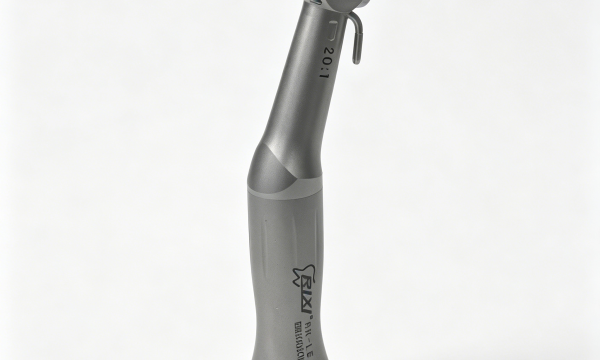
A cheaper bottle of dental handpiece lubricant is not a saving if its formulation, applicator or approval does not match the instruments in your inventory. A mixed fleet may include air turbines, contra-angle attachments and instruments that require no routine lubrication. Procurement needs to identify those differences before staff receive a replacement consumable.
This guide focuses on choosing and documenting lubricant, rather than choosing an oiling machine or designing a processing room. Start with the exact models in your dental handpiece inventory. The current instructions for each instrument and maintenance device determine which product, adapter and procedure are acceptable.
Build a compatibility record before comparing quotations
Create one row for each handpiece model, including its manufacturer, model designation, connection, maintenance instructions and approved lubricant reference. Record whether the instrument needs lubrication, where that instruction appears and whether an automatic maintenance device is permitted. A family name alone is insufficient when different versions have different care requirements.
Separate confirmed information from unanswered questions. If a supplier writes “universal dental oil,” request the supporting compatibility document instead of turning that phrase into an approval. Likewise, a connector that physically fits does not establish that the lubricant or machine cycle is suitable. Do not add lubricant to an instrument described as lubrication-free without its manufacturer’s direction.
For a new equipment package, ask for the handpiece manual and consumable list together. This lets purchasing compare the replacement consumable with the original specification later, when a distributor changes packaging or a different supplier proposes an alternative.
Separate formulation, delivery format and connector fit
Lubricant selection involves three different checks. First, confirm the specified product or formulation for the handpiece. Second, confirm the delivery format: a spray can, drop bottle or machine reservoir may require different application equipment. Third, confirm the nozzle, adapter or feed connection. Passing one check does not resolve the other two.
For example, a clinic may receive an aerosol consumable that is approved for manual care, while its automatic unit requires a particular reservoir oil. Do not pour the aerosol product into that reservoir or substitute another fluid because both labels use the word “lubricant.” Obtain written instructions for the exact machine and consumable combination.
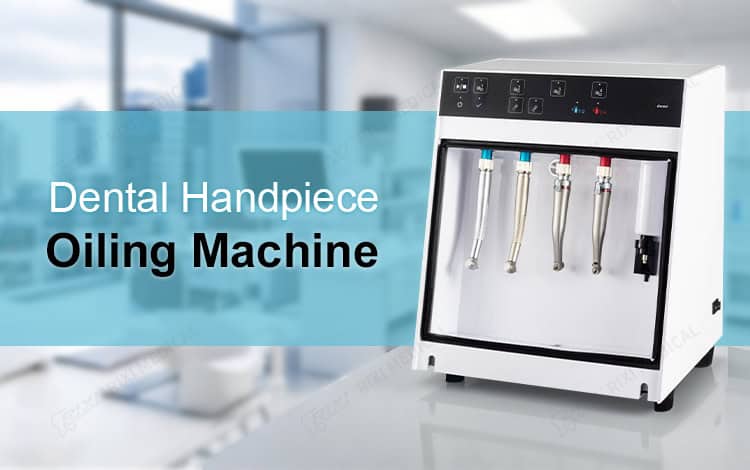
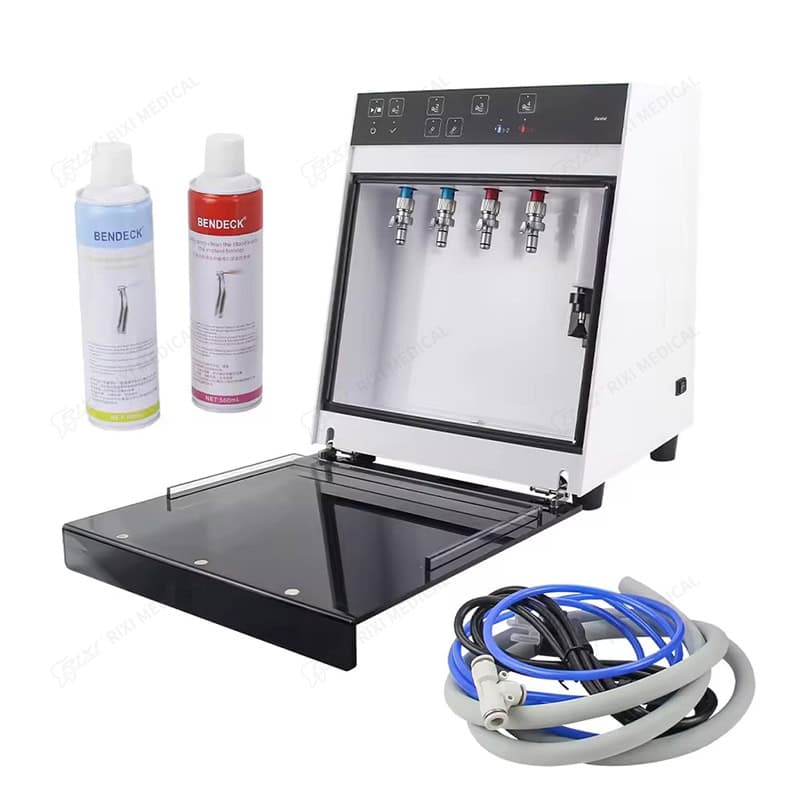
The handpiece oiling unit product information is a starting point for equipment enquiries. Ask the supplier to identify the current consumable specification and available adapters; photographs of bottles or accessories illustrate a configuration and do not constitute compatibility approval.
Ask for documents that make repeat orders traceable
| Record to request | What the buyer checks |
|---|---|
| Current product label and reference | Exact identifier, pack size and whether the quoted item matches the approved consumable. |
| Compatibility instructions | Named handpieces and maintenance devices, application method and any exclusions. |
| Safety information | Current safety data where applicable, handling, storage and transport information for the actual formulation. |
| Batch and shelf-life information | Lot identification, expiry or stated storage life, and how opening affects use. |
| Substitution procedure | Who approves a replacement formulation, nozzle, container or supplier reference. |
These documents serve different purposes. Safety information helps assess handling and shipping; it does not prove that a fluid is approved for a handpiece. A certificate or marketing brochure also cannot replace the instrument manufacturer’s care instructions. Keep the dated instruction revision with the purchasing record so later staff can understand the basis of the order.
Export buyers should ask the supplier and carrier whether the chosen container or formulation affects transport arrangements. Requirements vary with the product and route. Do not assume that every aerosol, oil bottle or equipment shipment can travel under the same documentation.
Compare usable supply, not just the price per container
Two packs with similar advertised capacity can have different practical purchasing implications. Compare the required applicators, replacement nozzles, machine consumables and pack quantities. Ask which accessories accompany the first order and which must be reordered separately. Avoid converting container capacity into a promised number of maintained handpieces without a documented application method.
Use your own consumption records to plan stock. Track purchases, issued containers, opening dates and discarded stock, then relate those figures to the compatible handpiece fleet. A universal consumption estimate can conceal differences in instrument mix and operating procedures. Store each product according to its label and keep incompatible supplies clearly identified.
When considering automation, use the separate manual versus automatic oiling comparison for equipment decisions. This lubricant review remains focused on consumable approval, documentation and repeat supply.
A purchasing team should also decide who owns the compatibility record. Keep one approved list that staff can consult, with a responsible person for changes and a place to file supplier replies. If a maintenance device is replaced, revisit its consumable requirements even when the handpieces stay the same. If the handpiece fleet changes, check the lubricant list again rather than copying the last purchase order. This review is particularly useful for distributors supplying more than one equipment configuration: the consumable bundled with one package may not suit another. Write the approved combination into the handover documents, and make any unresolved item visible before the package is released.
Control changes before a replacement reaches the workbench
Make the purchase order specific enough to prevent silent substitutions. Name the approved reference and container format, identify required applicators, and require notification when those details change. For distributor packages, keep the lubricant reference linked to the handpiece and maintenance-device configuration supplied to the clinic.
On receipt, compare the delivered reference, label, lot details and package condition with the order. If the product differs, hold it for review rather than assuming an equivalent use. Any equipment evaluation must follow the current supplier instructions and be carried out by appropriately qualified personnel. Procurement checks do not establish a clinical processing protocol.
Lubrication also does not replace cleaning, inspection or sterilization. Buyers comparing dental autoclave equipment must verify those devices separately. The correct sequence and parameters come from the relevant instrument instructions and the clinic’s approved procedures, not from a lubricant advertisement.
Scope: This is general sourcing guidance. Confirm exact compatibility, application and processing instructions with the instrument and consumable suppliers and locally qualified professionals. For equipment documentation questions, use the technical support information.
Frequently asked questions
Can one lubricant be used for every handpiece?
Only when the relevant manufacturers document that compatibility. Keep separate records for each instrument and maintenance device, including instruments that do not require lubrication.
Is a lubricant suitable if its nozzle fits?
No. Physical fit is only one check. Confirm the formulation, delivery format and application instructions as well.
What should a distributor request before changing suppliers?
Request the exact replacement reference, compatibility evidence, current label, safety information where applicable and a documented approval process for substitutions.
Does an oiling machine remove the need for processing instructions?
No. The machine and handpiece instructions still govern compatibility and maintenance. Cleaning and sterilization require their own verified procedures.
RIXI Medical is a dental equipment manufacturer and supplier in Foshan, China. Request the handpiece and maintenance-unit specifications with a list of your exact instrument models so the equipment and consumable questions can be reviewed together.
Need Dental Equipment Pricing or Configuration Details?
Contact RIXI Medical for model comparison, distributor pricing, packaging information, OEM/ODM requirements and after-sales support.
Request Product Information