A distributor launch can fail even when the products are sound. The usual problem is not a lack of ambition; it is that the territory, pilot assortment, service responsibility and evidence required for the first review were never defined together. A useful dental distributor territory launch plan turns those decisions into a controlled file before inventory is committed.
This guide is for dental-equipment distributors, procurement teams and OEM/private-label partners preparing a new market or regional channel. It focuses on the pre-launch stage. Supplier qualification is a separate exercise, and post-launch reorder performance should be reviewed only after comparable order and service records exist.

Define the territory and decision boundary first
Write the territory as an operational scope, not a vague sales ambition. Record the countries or regions included, intended buyer groups, languages, sales channels and whether the launch covers a single product family or a broader package. If another partner, dealer or direct-sales channel may operate in the same area, ask the supplier to describe the current channel arrangement in writing. Commercial terms and exclusivity require separate contractual review; this checklist does not replace legal advice.
A territory file should also state who owns each decision. One person may approve the pilot assortment, another may review local documentation, and a service manager may determine whether the proposed support model is practical. Without named owners, unresolved questions often survive until the first shipment.
Build demand evidence without turning estimates into promises
Use several modest signals instead of one confident forecast. Distributor enquiry records, quotations, existing customer requests, competitor availability and the installed equipment base can help describe demand. They do not prove future sales. Keep the source date and method beside every estimate, and separate verified orders from enquiries or informal interest.
For each buyer segment, record the purchasing problem rather than only a product name. A clinic opening several operatories may need a coordinated dental chair and unit package; an imaging reseller may care more about software handover, accessories and documentation around dental X-ray and sensor options. This distinction makes the pilot measurable and reduces pressure to stock unrelated items.
Select a pilot assortment that can be supported
A pilot should be small enough to control but broad enough to test the intended channel. For every proposed SKU, freeze the model name, configuration, colour or finish, included accessories, optional items, packaging quantity and document version. Ask for model-specific specifications; category descriptions are not a substitute for a confirmed configuration.
| Launch decision | Evidence to retain | Review question |
|---|---|---|
| Buyer segment | Dated enquiry or account list | Which problem is this SKU meant to solve? |
| Pilot SKU | Approved specification and option matrix | Can sales, warehouse and service teams identify the same version? |
| Quantity | Assumption sheet and approval | What evidence supports the first-order quantity? |
| Support scope | Responsibility matrix | Who handles installation questions, parts and escalation? |
| Review gate | Dated acceptance criteria | What must be true before the assortment expands? |
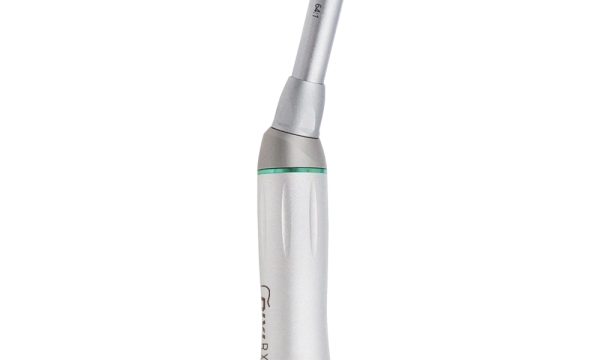
Different categories create different support burdens. A distributor considering autoclave sterilizer models should confirm model documents, accessory identity and maintenance information. A team adding dental handpieces needs a clear SKU and connection matrix. Requirements vary by destination and application, so confirm the supplied product record and consult locally qualified professionals about installation or regulatory obligations.
Map service and escalation before the first sale
Write a responsibility matrix covering receiving inspection, installation coordination, user-document delivery, first-line troubleshooting, replacement-part identification, return authorization and escalation. “After-sales support included” is too broad to operate. The file should identify the responsible organization, contact route, required evidence and expected next step for each issue type, without promising an unverified response time.
Review the supplier’s available technical support resources, then identify gaps the distributor must close locally. Confirm whether installation requires locally qualified personnel and which records should be retained after commissioning. Do not market clinical outcomes or destination-country approvals unless the exact model and claim have been verified.

Control sales materials and product claims
Create one approved source folder for product titles, photographs, specifications, manuals and sales copy. Link each asset to a model or version. If a brochure, marketplace listing or translated page contains a claim that is not present in the approved supplier record, hold it for review rather than publishing it as fact.
Private-label work adds artwork, packaging and file-version decisions. Record who approves logos, labels, carton marks and translated instructions, and keep a dated approval copy. RIXI Medical, a dental equipment manufacturer and supplier in Foshan, China, can provide model-specific materials for review, but the distributor remains responsible for confirming that its local sales presentation matches the product supplied.
Plan the shipment and receiving record
Before shipment, align the purchase order, approved configuration, packing list and carton or crate identifiers. The receiving team should know what to photograph, which quantities to count, where to record damage and how to quarantine a mismatched item. The dental equipment directory can help teams navigate product families, while the exact order file remains the controlling reference.
Record exceptions by item, evidence, owner and disposition. Do not hide a substitution inside a general email thread. If an option, accessory or document changes, obtain written approval and update the controlled matrix before the item is offered to customers.
Use review gates instead of optimistic revenue targets
Set three practical gates: release the pilot order, release the products for sale, and approve expansion. The first gate checks specifications, responsibilities and logistics. The second checks receiving results, documents and sales-material accuracy. The third uses comparable evidence such as qualified enquiries, quotations, completed orders, returns, support cases and inventory age. These records help a distributor decide what to expand, revise or stop; they do not guarantee revenue or market share.
Keep assumptions visible. A forecast can support planning, but actual sales and service records should replace it as evidence accumulates. When the pilot closes, document the decision and the data period used so that later reviews are comparable.
Dental distributor launch checklist
- Define territory, buyer segments, channels and decision owners.
- Record demand signals with source dates and evidence status.
- Freeze a bounded pilot SKU and configuration matrix.
- Confirm model-specific documents, accessories and packaging.
- Assign receiving, installation, service and escalation roles.
- Approve product claims, images and private-label files by version.
- Prepare shipment identity and receiving-exception records.
- Set evidence-based gates for sales release and portfolio expansion.
Frequently asked questions
How many products should a distributor include in a pilot?
There is no universal number. Choose a set that represents the intended buyer segment and that the sales, warehouse and service teams can identify and support consistently. Confirm exact configurations with the supplier before ordering.
Is a market forecast enough to approve the first order?
No. Treat forecasts as assumptions. Combine them with dated enquiries, account evidence, product support capacity and a documented review gate.
When should the distributor expand the assortment?
Expand only after the agreed pilot period has comparable sales, inventory, receiving and service records. A launch plan should define the evidence and approval owner in advance.
What should be requested from RIXI Medical?
Request the model-specific specification, option matrix, available product documents, packing information and the contact path for technical questions. For a territory or OEM discussion, use the project enquiry page and describe the intended market, pilot categories and documentation needs.
Scope note: This is a procurement and channel-planning framework, not legal, regulatory or clinical advice. Product requirements and market obligations vary by jurisdiction; confirm them with the supplier and locally qualified professionals before launch.
Need Dental Equipment Pricing or Configuration Details?
Contact RIXI Medical for model comparison, distributor pricing, packaging information, OEM/ODM requirements and after-sales support.
Request Product Information