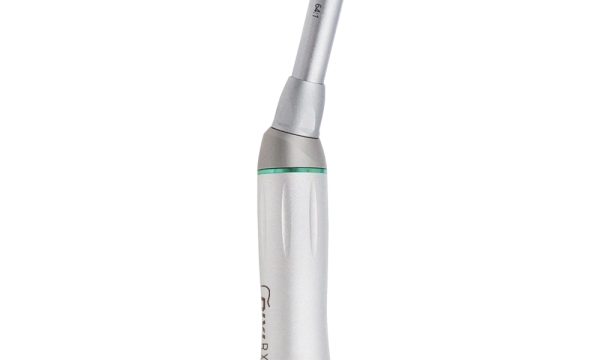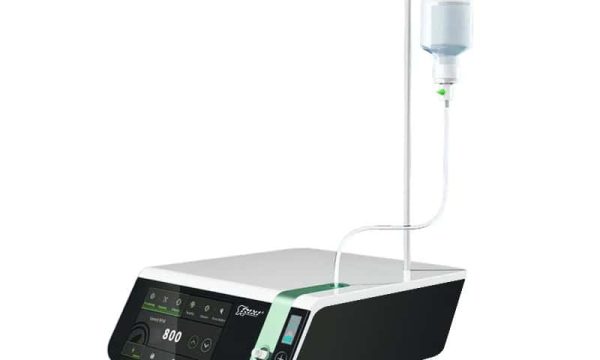
A dental implant stability meter is not ready for acceptance simply because the display turns on. Buyers need to know which model was supplied, what components belong to it, how the manufacturer expects the unit to be checked, and how repeat readings will be recorded. Those controls matter to a clinic receiving one device and to a distributor preparing a repeatable product line.
This guide uses RIXI Medical’s digital dental implant stability meter as the product reference. The public page describes a compact digital unit for implant stability evaluation and follow-up, but it does not publish a complete model-specific specification or clinical interpretation protocol. Buyers should therefore obtain the current manual, supplied-component list and verification method for the exact quoted configuration.
Scope note: This is a procurement, receiving and handover guide. It does not define clinical thresholds, treatment timing or patient-care decisions. Those decisions belong to qualified practitioners using the current manufacturer instructions and applicable local requirements.
Freeze the measurement system before comparing quotations
“Implant stability meter” identifies a product category, not a complete purchasing specification. A useful quotation should name the main unit and identify every item needed for the proposed workflow. Ask whether measurement accessories, charging equipment, storage items, reference pieces and replacement parts are included, optional or excluded. If the device works with components supplied by another manufacturer, require the compatible part numbers and written limitations.
Record the display language, unit identification, software or firmware version where relevant, power arrangement and the current document revision. These details create a baseline for sample approval and later orders. They also help the receiving team distinguish a planned revision from an unintended substitution.

Build a model-linked acceptance record
A stable handover begins with one record tied to the actual unit. The record should be detailed enough for purchasing, receiving and technical support teams to discuss the same configuration without relying on a catalog nickname.
| Record field | What the buyer should capture | Why it matters |
|---|---|---|
| Product identity | Model, unit label, serial or batch identifier when provided | Separates the approved unit from similar versions |
| Supplied scope | Main unit, measurement accessories, power items, case and documents | Prevents an incomplete kit from appearing complete |
| Compatibility | Approved interfaces, component references and stated limitations | Reduces assumptions about “universal” use |
| Verification method | Manufacturer-approved reference, setup and expected result format | Creates a repeatable functional check |
| Document control | Manual revision, quick guide and support contact | Keeps instructions linked to the supplied version |
For a broader record structure, the implant equipment documentation and traceability guide explains how to control model identity, revisions and receiving evidence. Apply that framework to the stability meter rather than copying a generic equipment checklist.
Verify reading repeatability without inventing a clinical threshold
Receiving personnel can check whether the device behaves consistently under a controlled, manufacturer-approved setup. They should not create their own clinical pass/fail number. Ask the supplier for the permitted reference or test method, the preparation steps, the expected display behavior and the action to take if results fall outside the stated range.
Keep the setup unchanged while repeating the check: use the same approved reference, attachment, device position, operating mode and sequence. Record each displayed result rather than writing only “pass.” If results vary unexpectedly, stop and document the unit identity, accessory identity, setup, photos and readings. The evidence gives the supplier a reproducible starting point for investigation.
A repeatability check is different from confirming clinical meaning. It can reveal inconsistent setup, a mismatched accessory, a damaged connection or a device that needs review. It cannot establish when an implant is ready for a procedure. The clinical team must follow the current instructions and its own qualified protocols.
Use a three-stage acceptance workflow
1. Pre-dispatch evidence
Before shipment, request clear photographs of the proposed unit label, included parts and packaging. Ask for the current manual and a short recording of the approved functional check when appropriate. Match those items to the purchase-order line and approved sample record. A photograph of another version should not substitute for evidence of the quoted configuration.
2. Controlled receiving check
At receiving, inspect packaging and visible condition before powering the unit. Reconcile every component against the packing list. Confirm that labels and document revisions match the approved record. Then perform only the supplier-defined startup and reference check. Preserve photos and readings with the receiving report.
3. Technical handover
Transfer the unit, accessories, current instructions and verification record together. Identify who may use the equipment, who keeps the reference or test accessory, and how a support request should be raised. Clinics can use the equipment buying guides as a procurement resource, while project teams can retain a consolidated equipment list through the dental equipment directory.
Keep adjacent implant devices in separate acceptance files
An implant stability meter should not be confused with a positioning device or a torque-control tool. A dental implant locator has a different intended role and requires its own identity and compatibility evidence. An electric implant torque wrench needs separate controls for torque-related documentation, charging equipment and supplied accessories. Combining these devices under one vague “implant instrument” line makes receiving and support harder.

For buyers assembling several implant products, the dental implant equipment category is useful for navigation. Each device should still retain its own specification, approval evidence, receiving results and support history.
Distributor and OEM controls for repeat orders
Distributors should approve one controlled configuration before preparing labels, translated materials or private-label packaging. Tie each commercial SKU to a specific base model and supplied scope. If a display, accessory, manual or packaging item changes, review the effect before accepting the next batch. A new exterior label must not hide a technical revision.
RIXI Medical is a dental equipment manufacturer and supplier based in Foshan, China. Buyers considering a repeat order or OEM/ODM program can request a model-linked specification, packing list, document index and current image set. Keep market-specific registration and labeling review with the responsible local professionals because requirements vary by jurisdiction.
Questions to close before approval
- What exact model and version is quoted?
- Which measurement, power, storage and reference items are included?
- What compatibility claims are documented for the proposed configuration?
- Which manufacturer-approved method should be used for a functional reference check?
- What result format and tolerance, if any, apply to that check?
- Which document revisions and support details ship with the unit?
- How are substitutions and later configuration changes communicated?
Frequently asked questions
Can a receiving team set its own acceptance number?
No. Use the current manufacturer-approved reference method and documented expectations for the exact model. Clinical interpretation should remain with qualified practitioners following current instructions.
Is powering on the meter enough for acceptance?
No. Startup confirms only part of the receiving process. The buyer should also verify identity, supplied components, visible condition, documents and the approved reference-check result.
Should a distributor use one record for all implant devices?
No. Related devices may appear in one project or shipment, but each model needs its own configuration, compatibility evidence, verification record and support history.
What evidence should be retained after handover?
Keep the purchase specification, unit and accessory identities, packing list, current instructions, receiving photographs, reference-check readings, exception records and support contact.
To evaluate the current configuration, request specifications, supplied-component details and verification documents through the RIXI Medical contact page. Ask for the exact model record rather than relying on a generic product name.
Need Dental Equipment Pricing or Configuration Details?
Contact RIXI Medical for model comparison, distributor pricing, packaging information, OEM/ODM requirements and after-sales support.
Request Product Information