The rapid evolution of the global dental equipment market—projected to hit $7.2 billion in 2026 with a 12.35% CAGR—is driven by one core concept: integrated digital dentistry. As artificial intelligence and intraoral scanning (IOS) shift from innovative extras to mandatory clinical standards, B2B dental buyers are increasingly looking for ecosystems rather than isolated products. This shift represents a fundamental change in how clinics operate, moving away from fragmented tools toward a unified, data-driven approach that enhances both diagnostic precision and patient comfort.
The Rise of the AI-Driven Dental Ecosystem
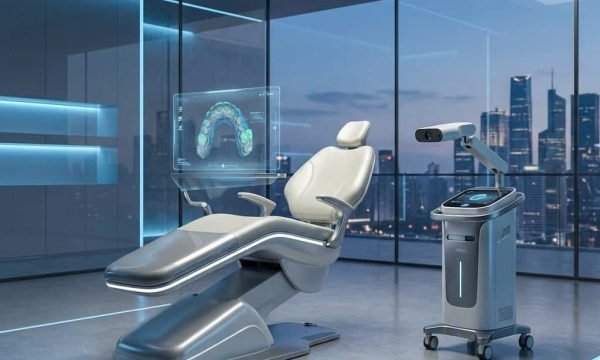
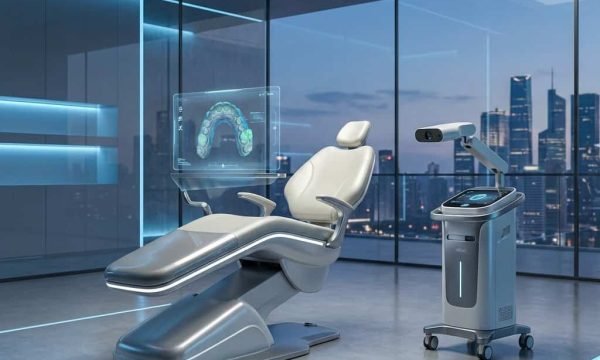
In 2026, AI is no longer a buzzword; it is the connective tissue of the modern clinic. From automated diagnostic support that identifies early-stage pathologies to real-time scanning feedback that ensures perfect digital impressions, AI integration ensures that practitioners spend less time on manual data processing and more time on direct patient care. High-performance units like the Rixi R5 Digital Chair are designed to serve as the hub of this ecosystem, providing the seamless data flow required for real-time diagnostics. These intelligent chairs can automatically adjust to patient ergonomics while communicating directly with diagnostic software, creating a synchronized environment that reduces operational fatigue.
Why Intraoral Scanners (IOS) are Now the “Standard of Care”
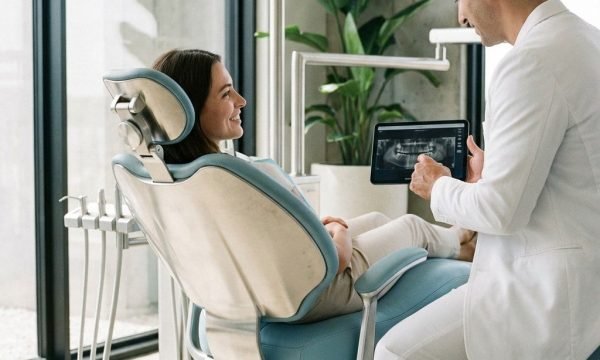
According to recent industry trends, the transition to digital impressions is nearly universal among top-tier clinics. Intraoral scanners, such as the Rixi RX-IS-1, have become the primary entry point for digital workflows. These scanners eliminate the discomfort of traditional silicone impressions while providing significantly higher accuracy for restorative, implant, and orthodontic procedures. In the competitive landscape of 2026, clinics without a high-speed intraoral scanner are increasingly viewed as outdated, as patients now expect the speed and visualization that only digital tools can provide. The ability to show a patient their 3D oral structure in seconds is a powerful tool for treatment acceptance and education.
The “One-Stop” Solution Advantage
The most successful clinics in 2026 are those that adopt “one-stop” cloud-connected solutions. By linking the dental chair, intraoral scanner, and 3D imaging systems, practitioners can create a unified patient profile that is accessible from any device within the clinic’s network. This integration reduces clinic overhead, minimizes human errors during data transfer, and significantly boosts patient trust by visualizing treatment outcomes instantly through simulated “before and after” results. Furthermore, cloud-based storage allows for seamless collaboration with dental laboratories, speeding up the production of crowns, bridges, and aligners.
Choosing a Strategic Partner for 2026
For dental distributors and clinic owners, the challenge is choosing a partner that understands the deep shift toward integration. Rixi Medical’s 2026 product matrix—from the entry-level R1 to the high-end R5—is built on this “digital-first” philosophy. We provide the hardware and software infrastructure that allows clinics to grow their digital capabilities at their own pace. By investing in integrated digital dentistry, practices are not just buying equipment; they are future-proofing their clinical excellence and ensuring they remain at the forefront of the industry.
Learn more about our R5 Digital Ecosystem or explore the latest insights on Dentistry Today to stay ahead of the curve. With the right technology partner, the future of dentistry is not just digital—it is smarter, faster, and more patient-centric than ever before.