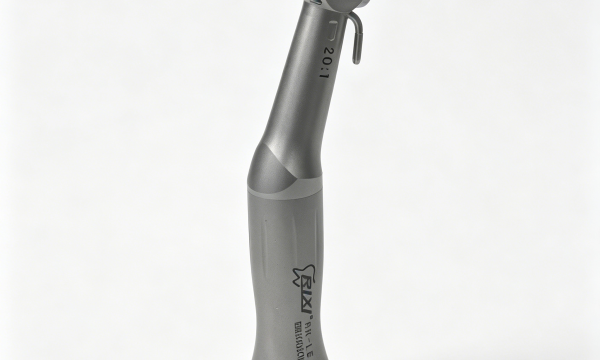
A curing light purchase is rarely just a choice between two housings. A clinic deciding between a cordless unit and a built-in model must also consider where the light will be stored, how it will be charged or powered, which accessories must stay with each operatory, and who will support the unit when a battery, light guide, control or mounting component needs attention. Distributors face an additional challenge: the quoted configuration must be clear enough to reorder without mixing incompatible parts.
This guide compares the two formats from a procurement and equipment-planning perspective. RIXI Medical is a dental equipment manufacturer and supplier based in Foshan, China, so the focus is on specification control, supplier documents, installation coordination and service handover. It does not provide clinical exposure settings; those must come from the current device instructions and the restorative-material manufacturer.
Begin with the workflow, not a single power figure
A buyer may see output, wavelength or timer values at the top of a quotation, but those figures are meaningful only when they belong to the exact model and are supported by current documentation. First define how the equipment will move through the clinic. Will one unit remain in one operatory, travel between rooms or be integrated into a new dental-unit package? Will it sit in a charging base, connect to mains power, or share a holder and supply with other chair-side instruments?
The dental curing light category shows both portable and integrated formats. Use it to shortlist the physical arrangement, then request the model-specific specification sheet before comparing technical values.
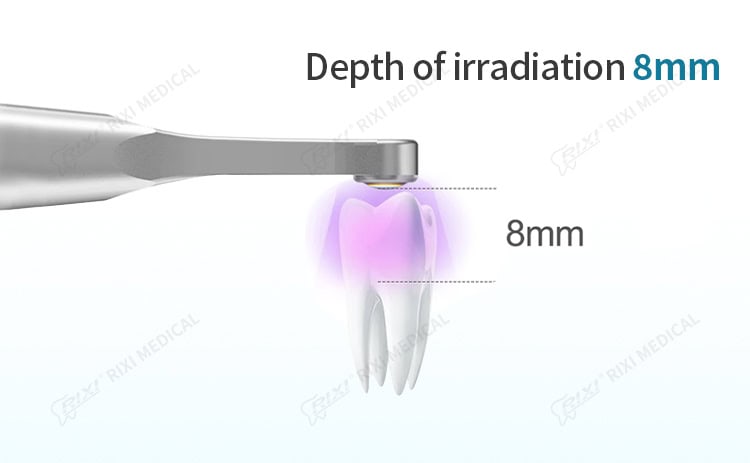
Cordless and built-in formats solve different equipment problems
| Decision area | Cordless format | Built-in format |
|---|---|---|
| Room use | Can be allocated to one room or moved under the clinic’s equipment-control process. | Stays with the chair or delivery system and supports a fixed room setup. |
| Power planning | Requires a documented charging method, compatible power input and a place for the base. | Requires confirmation of the chair-side connection, mounting and integration method. |
| Handover | Track the handpiece, battery or internal power pack, charger, base, shield and light guide. | Track the light, holder, cable, control arrangement, mounting parts and chair compatibility. |
| Service planning | Ask about battery, charger, control and light-guide replacement routes. | Ask how the unit can be accessed, disconnected and replaced without disturbing unrelated chair components. |
| Best fit | Useful where portability or a simple standalone purchase is a priority. | Useful where a fixed, organized chair-side configuration is planned from the start. |
Neither format is automatically better. A cordless unit can reduce dependence on a particular chair connection, but the clinic must manage charging and prevent accessories from becoming separated. A built-in model can keep the operatory organized, but compatibility must be confirmed before the chair or delivery system is ordered. Buyers can review the cordless LED curing light and the built-in LED curing light as examples of these two equipment arrangements; exact specifications must be confirmed for the quoted version.
Request evidence for every model-specific claim
Light source, output and operating modes
Ask for the documented wavelength range, output measurement method, available modes, timer increments and any inspection or calibration guidance provided for that model. Do not transfer a value from a similar-looking product or assume that a higher advertised number suits every restorative material. The responsible dental team should match the device instructions with the material manufacturer’s instructions and local clinical protocols.
Charging, batteries and electrical compatibility
For a cordless dental curing light, request the charger or base model, rated input, plug configuration, charging indication, battery type if serviceable, and the approved replacement route. Clarify whether the battery is replaceable by the user, a technician or only the supplier. For built-in equipment, request a connection drawing and confirmation of the supported dental-unit interface. Destination electrical requirements vary, so the final configuration should be reviewed locally before installation.
Light guides, shields and supplied accessories
The quotation should name every included component. Request the light-guide type and interface, protective shield, charging stand, mounting holder, sleeves or covers if supplied, and any tools needed for service. Photographs help, but part numbers and an itemized packing list provide better control for repeat orders. If a distributor plans a private-label package, accessory names should remain consistent across the quotation, artwork, manual and carton.
Plan cleaning access and service before approving the order
Cleaning and reprocessing instructions are model-specific. Ask which surfaces, removable components and light guides can be processed, which agents or methods are permitted, and which parts must remain dry. Do not invent a universal cleaning chemical, sterilization temperature or cycle. The clinic should follow the current manufacturer instructions and its locally approved infection-control procedure.

Service access is particularly important for an integrated model. Ask how the handpiece, cable, holder and control interface can be inspected or replaced. Confirm whether removing the curing light affects other delivery-system functions. When planning a complete operatory, review the intended dentist chair configuration and keep connection drawings with the project file rather than relying on verbal compatibility assurances.
Distributor and OEM orders need configuration control
A repeatable distributor package should use a clear model code, revision identifier and accessory matrix. The supplier should confirm which choices are standard, which are optional and which cannot be combined. Private-label buyers should approve the label, manual, packing list and carton artwork against the same product revision. If any component changes, document the change and decide whether a new sample approval is required.
Quality discussions are easier when both sides use the same acceptance record. RIXI’s quality-control overview explains the broader manufacturing context, while model-specific inspection points should still be agreed in the purchase documents.
A practical sample-acceptance checklist
- Match the model code, electrical rating and configuration to the approved quotation.
- Count the handpiece, charger or connection parts, light guide, shield, holder and other listed accessories.
- Inspect the housing, cable, controls, display and interfaces for transit damage or assembly issues.
- Confirm that the charger or built-in connection matches the approved destination configuration.
- Review the manual for operating modes, cleaning, inspection, storage and service instructions.
- Run only the functional checks defined by the supplier and qualified receiving team.
- Record photos, serial or lot information where supplied, and any discrepancy before approving a larger order.
For technical questions during evaluation, keep the supplier’s response with the model record and use the technical-support channel rather than allowing undocumented workarounds to become normal practice.
Frequently asked questions
Is a cordless curing light always better for a multi-room clinic?
No. Portability can be useful, but it also creates charging, storage and asset-control responsibilities. Compare that burden with the consistency of a fixed unit in each operatory.
Can a built-in curing light be added to any dental chair?
Compatibility should never be assumed. Request the chair model, connection diagram, mounting method, power requirements and complete supported configuration from the supplier.
Which technical values should appear on the quotation?
Ask for the exact model’s documented wavelength range, output information and measurement conditions, operating modes, timer options, electrical input, supplied accessories and service parts. Clinical use must follow the current device and material instructions.
What should a distributor approve before a repeat order?
Approve a representative sample, model and revision code, accessory matrix, labeling, manual, packaging, spare-parts route and written change-control process.
Scope note: This article provides general procurement and equipment-planning guidance. Confirm every technical value with the supplier for the exact model, and have locally qualified professionals review electrical installation, clinical protocols and destination-market requirements.
To compare a cordless or built-in configuration, request the current specification sheet, connection drawing and accessory list for your clinic, distributor package or OEM/ODM project.
Need Dental Equipment Pricing or Configuration Details?
Contact RIXI Medical for model comparison, distributor pricing, packaging information, OEM/ODM requirements and after-sales support.
Request Product Information