An RX-DU-D2 dental stool may look like a simple accessory, but the order can still go wrong when the quotation, upholstery choice, lift range and replacement parts are not tied to one controlled configuration. Clinic buyers and distributors should approve the stool as a complete item rather than assuming that every photograph shows the same seat, base or control arrangement.
This guide turns the current RX-DU-D2 product listing into a practical order and receiving checklist. It focuses on model identity, documented options and handover evidence. It does not provide medical or ergonomic treatment advice. Exact dimensions, materials and supplied components should be confirmed against the supplier’s current quotation and drawing.
Start with one model and one configuration record
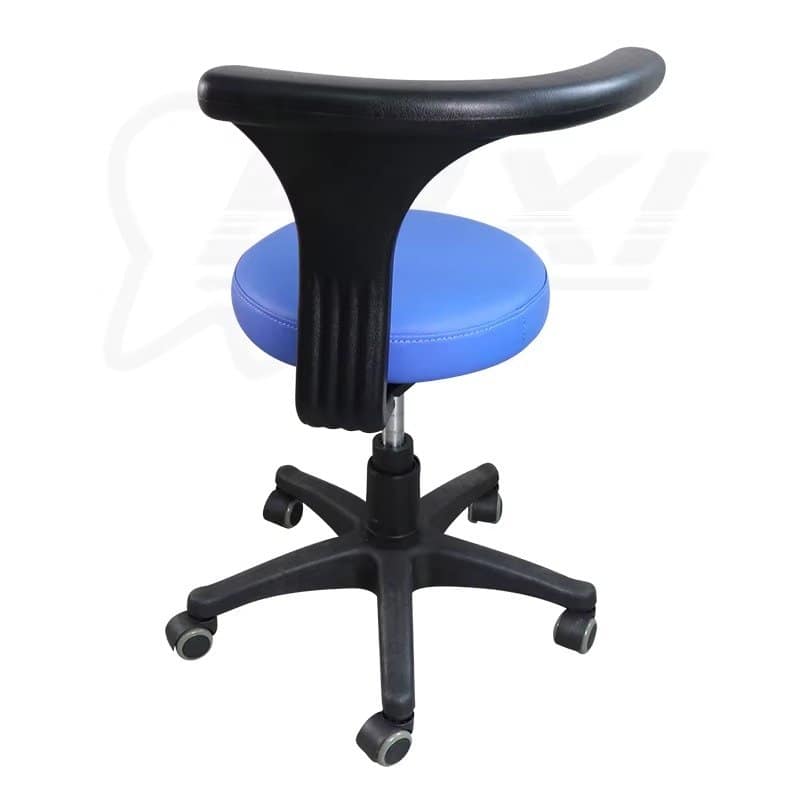
Use RX-DU-D2 as the model identifier on the quotation, packing list, product label and receiving sheet. If the supplier offers different upholstery, gas-lift or caster choices, record those options beside the model instead of relying on a photo filename or a color description in an email. For a distributor order, add the approved logo treatment, carton marking and language requirements to the same configuration record.
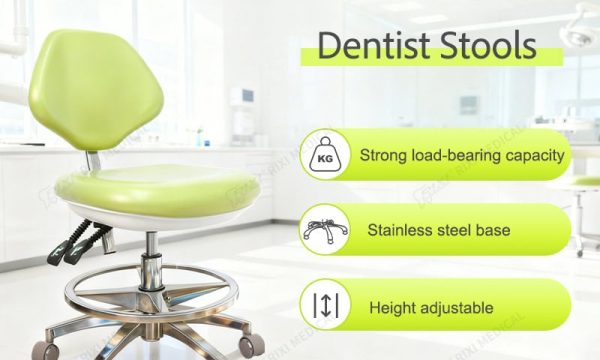
The current listing describes adjustable seat height, seat angle and backrest height. It also lists a 450–570 mm gas-lift range. Before treating that number as an approval dimension, ask where the measurement starts and ends, whether it represents the seat surface or the cylinder itself, and which lift is included in the quoted stool. A dimension drawing is more useful than a bare range because it can also show the seat, base and back-support envelope.
Confirm every adjustment before purchase approval
Request a control map that identifies the lever or knob for each adjustment. The buyer should know whether seat height, seat angle and back-support height can be changed independently, how the controls are reached, and whether any tools are needed. If several team members will share the stool, the controls should be easy to recognize during handover.
A sample check should cover the entire adjustment travel, not only the preferred working position. Move each control slowly, look for interference between the seat and back support, and confirm that the selected setting remains stable. Do not modify the cylinder, base or control mechanism to create a height range that the supplier has not approved.
Define upholstery and color in writing
The current model information lists PU and microfiber as upholstery options. The quotation should identify the selected material and color reference, plus any seam or panel details that matter to the order. Ask for the current cleaning instructions for that exact material. A broad material name does not prove compatibility with every disinfectant or cleaning routine.
For multi-unit or repeat orders, keep an approved color reference and dated product photo with the configuration sheet. Record whether later batches must match the same reference and what level of normal variation is acceptable. If appearance is critical, request a sample or swatch rather than approving color from a screen alone.
Check the base, casters and intended floor
The model listing describes an aluminum base and universal casters. Buyers should confirm that those components apply to the exact quoted configuration and ask whether alternative casters are available for different floor surfaces. The complete base diameter, number of caster points and visible finish should appear in the supplier documents or sample record.
During evaluation, move the stool across a representative floor, turn beside cabinetry and check clearance around the dental unit. A caster may roll differently on resilient flooring, hard surfaces, mat edges or thresholds. The test is not a substitute for a local workplace assessment; it is a way to confirm that the purchased configuration matches the intended room.

Build a clear quotation and document pack
| Order field | What to record | Why it matters |
|---|---|---|
| Model identity | RX-DU-D2, quotation revision and product-label wording | Links the stool, carton and commercial documents to one item |
| Adjustment configuration | Lift option, stated measurement points, seat-angle and back-support controls | Prevents a generic height range from being treated as a complete specification |
| Upholstery | Material, color code, seam details and cleaning instructions | Controls appearance and supports maintenance planning |
| Base and casters | Base material and diameter, caster type and replacement identifiers | Supports room-fit checks and later parts orders |
| Branding and packing | Logo artwork approval, carton marks, language and included documents | Reduces mixed-label and distributor handover errors |
The document pack should include the current model sheet, approved drawing, configuration list, cleaning guidance, packing information and available replacement-parts references. If certification or market-entry documents are required, request the applicable evidence for the exact model and destination rather than copying a broad claim into the purchase order. Requirements vary by jurisdiction, so local review remains the buyer’s responsibility.
Plan service parts before a repeat order
Ask the supplier how the gas lift, casters, controls, seat assembly, back support and base are identified. Some components may be replaceable locally; others may require specific instructions or complete assembly replacement. Record the part number or description used for the approved sample so a later request does not depend on an old photograph.
For comparison, the RX-DU-D3 saddle stool and an adjustable stool with backrest serve different configuration needs. Do not treat a similar seat or base as interchangeable without written supplier confirmation. Buyers comparing broader seat geometries can also use the dental saddle chair fit and service guide.
Use a receiving inspection before the stool enters service
- Match the model, color and option list with the approved quotation.
- Check the carton and product label against the packing list.
- Inspect the upholstery, seams, base, casters, controls and visible fasteners for transit damage or mismatch.
- Operate each adjustment through its documented range and record any sticking, looseness or unexpected movement.
- Confirm that all loose parts, instructions and ordered accessories are present.
- Photograph the accepted configuration and retain the evidence for repeat orders.
If the shipment contains several stools, define a sampling plan appropriate to the order risk and local quality process. A sample should not be used to hide mixed models or colors; exceptions should be logged by carton or serial identifier where available. Hold unclear items separately until the supplier confirms the disposition.
Supplier review and next step
RIXI Medical is a dental equipment manufacturer and supplier based in Foshan, China. Buyers can review the wider dental operator stool range and the company’s quality-control overview when preparing supplier questions.
For an RX-DU-D2 quotation, request the current dimension drawing, option list, upholstery reference and service-parts information through the RIXI Medical inquiry page. Confirm exact specifications with the supplier and consult appropriately qualified local professionals where workplace, installation or regulatory review is required.
Frequently asked questions
What does the listed 450–570 mm range measure?
The current listing associates that range with the gas lift, but a buyer should ask for the measurement reference and confirm the finished seat-height range for the quoted configuration.
Can a photograph confirm the upholstery material?
No. A photograph can support color and visual identification, but the material, color code, seam details and cleaning guidance should be stated in writing.
What should distributors keep for repeat orders?
Keep the model and quotation revision, approved drawing, lift and control configuration, upholstery reference, base and caster description, branding artwork, packing marks and accepted sample photographs.
Should replacement casters be ordered by appearance?
No. Use the supplier’s part identifier or a written compatibility confirmation. Similar-looking casters may differ in stem, load, material or floor suitability.
Need Dental Equipment Pricing or Configuration Details?
Contact RIXI Medical for model comparison, distributor pricing, packaging information, OEM/ODM requirements and after-sales support.
Request Product Information