A dental ultrasonic scaler is often specified as a single line item, yet the buying decision involves much more than the console or handpiece. A clinic may choose a scaler integrated into the dental chair delivery unit, or a standalone unit with its own controls and connections. Both approaches can work, but they create different responsibilities for installation, cleaning, service and spare-parts planning.
This guide is for clinic owners, dental distributors, procurement teams and contractors comparing those two equipment architectures. It focuses on documentation and acceptance—not clinical technique. The clinical team should define intended procedures and operating requirements, while the buyer confirms the exact model, accessories and interfaces. Buyers can first review RIXI Medical’s dental accessory range to understand the wider equipment context.
Start with the equipment architecture
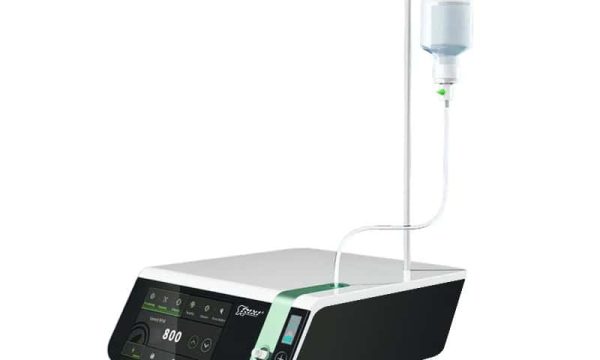
“Built-in” and “standalone” describe how the scaler is supplied and connected; they do not establish performance on their own. For a built-in option, the supplier should identify the chair model, delivery-system version, control interface, water path, power arrangement and supplied handpiece. For a standalone option, the quotation should identify the complete console, foot control, water source, handpiece, cable set and included tips.
The R5 dental chair product reference illustrates a chair package with integrated accessories. Treat images as configuration references only: the final order sheet and approved specification must state what is actually included. Clinics still comparing chair platforms can also review the dental chair category before fixing the accessory package.
| Decision area | Built-in scaler | Standalone scaler |
|---|---|---|
| Mounting and space | Uses the chair delivery system; confirm holder position, hose route and service-panel access. | Requires a stable surface or cart plus a planned cable, tubing and foot-control route. |
| Utilities | May share approved chair power and water interfaces; confirm valves, pressure conditions and isolation. | Confirm rated electrical input and the specified water connection or reservoir arrangement. |
| Controls | May rely on chair controls or a dedicated module; document exactly which functions are integrated. | Uses its own control panel and foot control; confirm placement and cleaning access. |
| Change control | A replacement can depend on the chair model, control board and connection kit. | The unit may be easier to move, but handpiece, tip and tubing compatibility still remain model-specific. |
| Service isolation | Ask whether the scaler can be isolated without disabling unrelated chair functions. | A separate unit can normally be removed from the work area, subject to the manufacturer’s shutdown instructions. |
Build a compatibility record before requesting prices
A useful quotation starts with a short technical record. For a chair-integrated scaler, record the chair manufacturer, exact model, delivery-system version, serial or order reference and any known previous modification. Photographs of the delivery tray, accessible labels and connection area help the supplier identify the installed configuration. Do not rely on connector appearance alone.
Next, ask for a written interface schedule. It should cover rated electrical input, approved power source, water requirements, tubing and valves, foot-control functions, control-board connection, holder or mounting parts and service access. The same discipline applies to new-chair projects: RIXI Medical’s dental chair installation guide explains why the final accessory configuration should appear on the approved order and project drawings.
The supplier should also provide a tip and handpiece matrix. Record the handpiece reference, connection type, compatible tip codes, supplied tightening tool, included tip quantity and replacement ordering codes. Similar-looking tips should not be treated as interchangeable. The permitted cleaning and sterilization process for the handpiece, tips, holders and tools must come from the instructions for that exact model.

Compare serviceability, not just the feature list
A scaler that fits the initial order can still create avoidable downtime if replacement parts are unclear. Ask which parts are routine consumables, which assemblies are replaceable, and which work requires a qualified service technician. The quotation should distinguish included items, optional spares and locally sourced consumables.
For an integrated configuration, ask how the scaler module is isolated for inspection and whether access requires removing delivery-system covers. Confirm the diagnostic information available to the service team and retain the wiring or connection diagram supplied for the ordered configuration. For a standalone unit, confirm the replacement handpiece, foot control, cable and tubing references, as well as the process for reporting a fault.
These questions extend the broader five-part review—mechanical, electrical, fluid, controls and service compatibility—used in RIXI Medical’s dental chair accessory retrofit guide. A scaler purchase should create one traceable equipment record rather than a loose collection of photos and unverified part numbers.
Plan receiving and acceptance without making clinical claims
Receiving checks should establish that the delivered equipment matches the approved order. Compare the model and accessory references against the packing list. Inspect the console or integrated module, handpiece, holder, foot control, tubing, tips, tools and manuals for obvious transport damage or omissions. Record discrepancies before installation.
Installation and functional checks should follow the manufacturer’s instructions and local site procedures. A qualified person should confirm the electrical and water arrangements, secure routing, accessible isolation points and absence of visible leakage under the specified check. Verify that controls respond as documented, the foot control is correctly assigned, and the supplied tip codes match the approved list. Do not improvise a clinical test or substitute an unapproved tip to “see if it fits.”
Complete the handover with the current user instructions, cleaning and sterilization instructions, accessory list, part references, supplier contact route and acceptance record. For model-specific troubleshooting or part identification, prepare the equipment identifier and photographs before contacting RIXI technical support.
Distributor and OEM/ODM checks
Distributors need configuration control across quotations, samples and production orders. Create separate SKUs for materially different chair interfaces, handpieces, tip packages, electrical versions and document languages. An integrated scaler option should be tied to the compatible chair configuration; a generic label such as “scaler included” is not enough for order review.
For private-label projects, request approved branding areas, label artwork files, packaging layout, manual language, replacement-part coding and final sample approval. Keep clinical claims out of artwork unless they are supported for the exact product and permitted in the destination market. Requirements vary by jurisdiction, so local regulatory responsibilities should be reviewed by qualified professionals rather than inferred from a supplier brochure.
RFQ checklist for a dental ultrasonic scaler
- Built-in or standalone architecture and intended equipment role.
- Exact console or chair model, delivery-system version and ordered configuration.
- Rated electrical input, water arrangement, tubing, valves and control interfaces.
- Handpiece reference, compatible tip codes, included tools and replacement options.
- Cleaning and sterilization instructions for every reusable component.
- Mounting, holder, cable, hose and foot-control routing details.
- Packing list, manuals, diagrams, parts list and acceptance record.
- Distributor spare package, branding files and document-language requirements.
RIXI Medical is a dental equipment manufacturer and supplier in Foshan, China. To compare an integrated or standalone scaler configuration, send the intended chair model, destination electrical standard and required accessory package. Request specifications, drawings, distributor pricing or OEM/ODM information through the RIXI Medical enquiry page.
Frequently asked buyer questions
Is a built-in dental ultrasonic scaler always the better choice?
No. Integration can simplify chairside placement, while a standalone unit can keep controls and service boundaries separate. The better option depends on the chair interface, room layout, reprocessing workflow, spare strategy and service arrangements.
Can a scaler be added to any dental chair?
Do not assume so. Confirm mechanical mounting, electrical supply, water path, controls and service access for the exact chair and delivery-system version. An approved retrofit kit or supplier-reviewed configuration is preferable to a connector-based guess.
Are ultrasonic scaler tips universal?
Universal compatibility should not be assumed. Use the handpiece reference and the supplier’s approved tip codes, tightening tool and operating instructions for the exact model.
What documents should be retained after installation?
Keep the approved specification, packing list, model and part references, manuals, cleaning and sterilization instructions, connection information, acceptance record and service contacts together in the equipment file.
Scope note: This article provides procurement and equipment-planning guidance. Confirm exact specifications with the supplier and have qualified local professionals review installation, reprocessing and clinical protocols.
Need Dental Equipment Pricing or Configuration Details?
Contact RIXI Medical for model comparison, distributor pricing, packaging information, OEM/ODM requirements and after-sales support.
Request Product Information