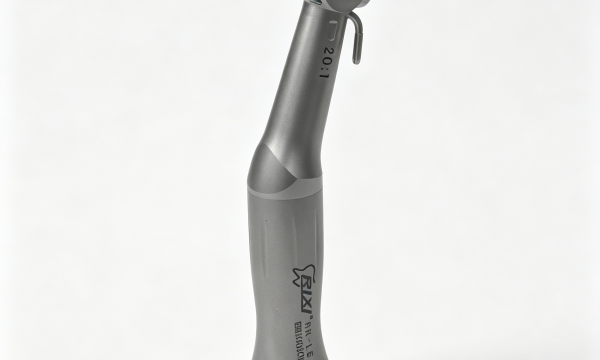
A dental piezo surgery unit can look complete in a product photo: control console, handpiece, irrigation line, foot control and a tray of tips. The real purchasing questions begin when the clinic asks which tips match its procedures, how the handpiece is sterilized, whether irrigation flow remains stable and what happens when a frequently used tip needs replacement.
For clinic owners, distributors and project contractors, the safest approach is to evaluate the unit as a working system rather than compare the console alone. This guide focuses on the documents, compatibility checks and service questions that should be settled before ordering. It is procurement guidance, not a clinical protocol; procedure selection and operating settings belong with trained clinicians and the applicable product instructions.

Define the intended workflow before comparing models
“Piezo surgery” covers a broad equipment category. A general statement that a unit is suitable for oral surgery does not tell a buyer whether the supplied configuration matches the clinic’s intended workflow. Start the enquiry with a procedure list prepared by the clinical team, then ask the supplier to map each intended application to the appropriate operating mode and compatible tip family.
This step prevents a common purchasing gap: the main unit arrives, but the clinic later discovers that an additional tip set, handpiece or accessory is required. It also helps distributors quote comparable packages. One quotation may include only a starter set, while another includes several tip groups, spare irrigation lines and maintenance accessories.
Buyers can review the existing dental piezo surgery unit page as a starting point, but the final specification should come from the quotation and model documentation rather than a category description.
Seven specifications that deserve a written answer
| Area | What to request | Why it matters |
|---|---|---|
| Tip system | Tip list, intended application, connection type and replacement availability | Tips are not automatically interchangeable across brands or handpieces |
| Power control | Available modes, adjustment steps and model-specific operating guidance | The console must support the intended workflow without relying on vague maximum-power claims |
| Irrigation | Flow range, pump arrangement, tubing type and compatible fluid containers | Setup time, visibility and consumable planning depend on the complete irrigation path |
| Handpiece | Quantity, connector, sterilization method and replacement details | A spare-handpiece strategy can reduce disruption during service or reprocessing |
| Foot control | Functions, cable or wireless arrangement and ingress-cleaning guidance | Control layout affects chairside workflow and room setup |
| Electrical supply | Voltage, frequency, plug, rated input and protective requirements | Export projects must match the destination site |
| Documentation | User manual, packing list, wiring information, cleaning instructions and parts list | Clear documents support installation, training and after-sales service |
Tip compatibility is a system decision
Autocomplete demand includes questions such as “are piezo tips universal,” which reflects a real procurement risk. Buyers should not assume that similar-looking threads or tip shapes are interchangeable. Ask for the exact compatible tip codes and confirm whether tightening tools, holders and sterilization boxes are included. If a distributor plans to stock replacements, request a recommended starter inventory based on the supplied package.
Tip wear also needs a practical policy. Ask how wear is checked, what inspection aid is supplied and when a tip should be removed from service. The answer must follow the manufacturer’s instructions; visual similarity alone is not a safe basis for continued use.
Irrigation details affect daily setup
Irrigation is not just a flow-rate line on a data sheet. Confirm how tubing is installed, whether it is reusable or single-use, how the pump cover opens, which bottle or bag arrangements are supported and which components enter the sterilization workflow. A clinic should also know whether the unit stores settings or requires staff to establish them at each setup.
Ask the supplier for a diagram that traces the full fluid path. This gives the clinical and sterilization teams something concrete to review before the unit arrives. It also helps the purchasing team distinguish included parts from locally sourced consumables.

Sterilization and turnaround planning
Before purchase, ask which components can be sterilized, the permitted process for each component and any preparation steps specified in the manual. Do not infer reprocessing compatibility from appearance. The handpiece, torque tool, tips, holders and tubing may have different instructions.
Daily capacity matters too. A clinic with several procedures may need additional handpieces or tip sets so that reprocessing does not become the bottleneck. Procurement teams should review the expected case flow with the sterilization team and build the accessory quantity around that workflow. Related planning principles are covered in RIXI Medical’s dental implant equipment workflow guide.
Service access matters more than a long feature list
A buyer should be able to identify routine consumables, replaceable accessories and the first troubleshooting steps before placing an order. Request an exploded or labeled component view, preventive-maintenance guidance and a spare-parts list. Ask which faults can be diagnosed from the display and which require a service technician.
For international distributor projects, clarify the after-sales path in writing: who receives technical questions, what photos or videos are needed for diagnosis, which parts are stocked and how warranty claims are documented. Also request packing dimensions and component weights so that replacement logistics are understood in advance.
Where a clinic is comparing equipment for bone-surgery workflows, the ultrasonic bone surgery machine page provides another configuration reference. Product names can overlap in the market, so compare the actual accessories and documentation rather than relying on naming alone.
RFQ checklist for clinics and distributors
- Intended clinical workflows, prepared and approved by the clinical team.
- Exact console, handpiece, foot-control and irrigation configuration.
- Complete included-tip list with codes and intended uses.
- Compatible replacement tips, ordering codes and proposed starter stock.
- Cleaning and sterilization instructions for every reusable component.
- Voltage, frequency, plug and destination-market labeling requirements.
- User manual, packing list, dimensional data and connection information.
- Consumable list, recommended spares and after-sales contact process.
- OEM/ODM requirements for branding, packaging and document language.
RIXI Medical is a dental equipment manufacturer and supplier in Foshan, China. For a useful technical comparison, send the intended workflow, destination electrical standard and required accessory package. Buyers evaluating a broader surgery-room setup may also review the implant fixture product reference and the dental implant equipment category. For drawings, tip lists, distributor pricing or OEM/ODM enquiries, contact the RIXI Medical team.
Frequently asked procurement questions
Are dental piezo surgery tips universal?
No universal compatibility should be assumed. Confirm the handpiece connection, exact tip code and approved use with the supplier’s model documentation.
What should be included in a piezo surgery unit quotation?
The quotation should identify the console, handpiece quantity, foot control, irrigation components, every supplied tip, tools, holders, power accessories, manuals and optional items.
Should a clinic order a spare handpiece?
That depends on procedure volume, sterilization turnaround and acceptable downtime. Ask for the replacement lead time and compare it with the clinic’s continuity requirements.
How should buyers compare power claims?
Compare model-specific modes, adjustment controls and instructions for the intended workflow. A maximum figure without test conditions or application guidance is not enough for a purchasing decision.
What should distributors request for OEM/ODM projects?
Request approved branding areas, packaging files, document languages, electrical variants, minimum order terms, spare-parts support and a final pre-production specification sheet.
Scope note: Exact performance, compatible tips, sterilization methods and clinical settings vary by model. Confirm the final specification with the supplier and have qualified local professionals review installation, reprocessing and clinical protocols.
Need Dental Equipment Pricing or Configuration Details?
Contact RIXI Medical for model comparison, distributor pricing, packaging information, OEM/ODM requirements and after-sales support.
Request Product Information