A cordless curing light can remain mechanically intact while its charging base, power adapter, cable or internal battery becomes the part that blocks use. That makes a replacement request more precise than simply asking for “a charger.” Clinics and distributors need to identify the exact light, the exact power interface and the supplier-approved service route before ordering a substitute.
This guide explains how to control a dental curing light charger replacement and related battery-service enquiry from a procurement perspective. It applies to replacement purchases, distributor spare-part planning and OEM/ODM support files. It does not recommend clinical exposure settings or unauthorized battery repair. Begin with the current dental curing light range, then request records for the exact model and production revision.
Scope note: Charging arrangements, electrical ratings, battery construction and permitted service procedures vary by model. Confirm the current supplier specification and instructions. Electrical work, battery handling and disposal should follow the manufacturer’s process and locally qualified requirements.
Define the failed or missing item before requesting a replacement
“The curing light will not charge” describes an outcome, not the component responsible. The handpiece may not seat correctly in the base. A cable or plug may be damaged. The adapter may be wrong for the market. The charging contacts may be contaminated or worn. The battery may have reached a service point, or the indicator may be reporting a different fault. Procurement should not diagnose the device from a photograph, but it can collect enough identity and condition evidence for the supplier to route the enquiry.
Record the model code, serial or batch reference where available, purchase order, production revision and photographs of every label on the handpiece, charger and adapter. Add a short description of what happens when the approved components are connected. Do not open the housing or substitute an unapproved power source to create evidence.
Separate four different replacement scopes
A clear enquiry states which commercial scope is being requested. The following comparison prevents a complete light from being quoted when only one approved accessory is needed—and prevents a buyer from ordering a loose part that the supplier does not authorize for field replacement.
| Replacement scope | Evidence to send | Supplier confirmation to request |
|---|---|---|
| Charging base or cradle | Base label, contact layout, connector photographs and handpiece model | Approved base part number, compatible revision and items included |
| Power adapter, plug or cable | All rating labels, connector shape, market and original packing reference | Input/output specification, connector and polarity, plug option and cable scope |
| Battery service | Handpiece identity, service history and observed charging behaviour | Whether the battery is replaceable, who may replace it and the controlled service route |
| Complete handpiece set | Current model, optical tip, controls, base and accessory photographs | Replacement model, compatibility limits, packing list and change disclosure |
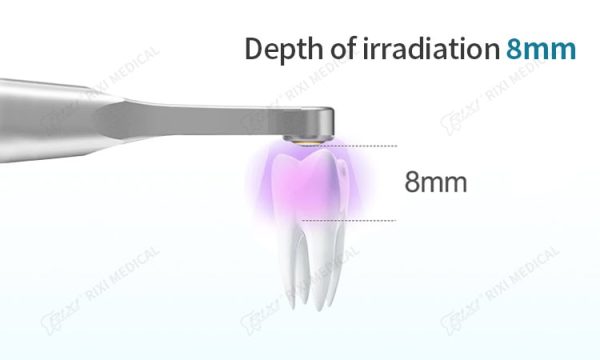
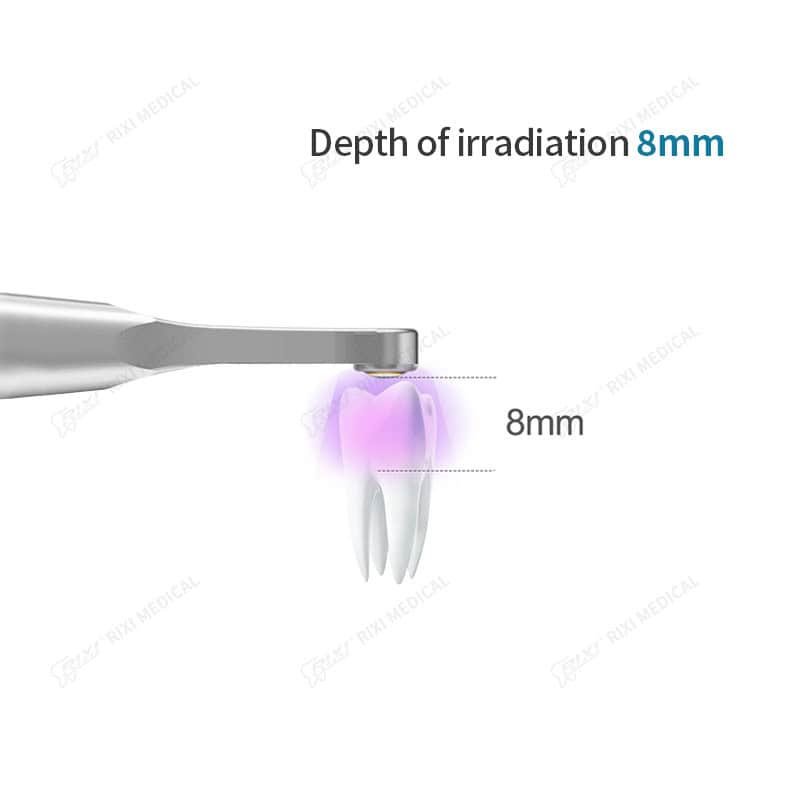
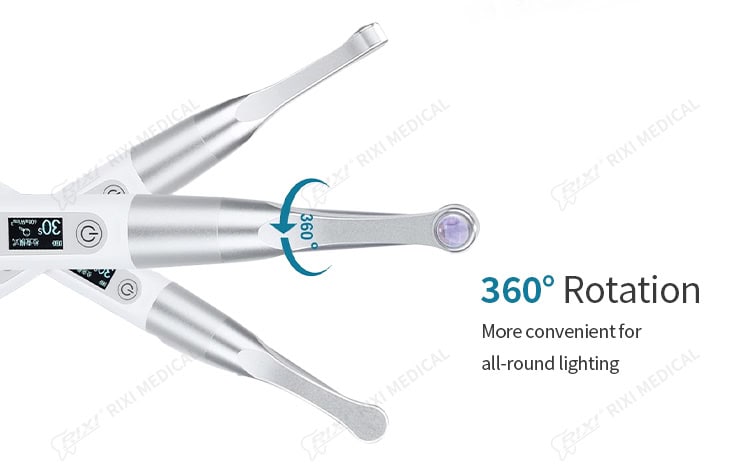
The cordless LED curing light product page shows a handpiece, digital controls and charging arrangement as one product configuration. A photograph helps identify the format, but it does not prove that a charger or battery from another revision is compatible.
Request a complete electrical-interface record
Connector fit is only one part of compatibility. Ask the supplier to identify the adapter input range, output type, connector dimensions, polarity, cable arrangement and destination-market plug for the exact replacement. The label and quotation should use the same model or part number. If the charging base contains electronics rather than acting as a passive holder, that distinction should be stated.
For distributor stock, keep photographs of both connector ends and the rating label with the SKU record. Similar external housings can conceal different output or control arrangements. Do not create a universal charger listing unless the manufacturer has documented the approved models and revisions.
Packaging also matters. Confirm whether the quoted item includes the base, adapter, mains cable, plug, holder or instructions, or whether some are separate SKUs. This is especially important when a supplier offers several market plug options or changes a cable supplier without changing the appearance of the curing-light handpiece.
Treat battery service as a controlled support decision
A buyer should not assume that the battery is user-replaceable. Some equipment may require supplier or authorized service; another design may use a controlled replacement module. Request the current service instruction and ask whether opening the housing affects inspection, sealing, calibration, warranty handling or future support. If the supplier does not authorize field replacement, order a service assessment or approved assembly instead of a loose cell.
Where a battery replacement is supported, the record should identify the approved part, chemistry, nominal rating, connector or assembly, protection arrangement and permitted installation method. These are model-specific details, not values to copy from a marketplace listing. Transport, storage and disposal requirements can also vary by battery type and jurisdiction, so the distributor should confirm the applicable route before moving spare batteries across borders.
RIXI Medical’s quality-control overview explains that available inspection records depend on the model and order. For a charger or battery programme, agree which incoming checks, assembly records, final checks and change-control evidence will be available rather than assuming one generic document covers every revision.
Build a reorder file that survives product revisions
A useful spare-part file lets another employee place the same controlled order months later. It should contain the curing-light model, revision, supplier part number, photographs, rating labels, approved sample, package contents and the equipment models it supports. Record the date of approval and the purchase orders that used the configuration.
When the supplier proposes a substitute, compare more than price and appearance. Ask what changed, why the change was made, which models remain compatible, whether labels or manuals change, and whether a new sample is needed. The buyer should be able to distinguish a documented successor from an unverified look-alike.
For unresolved faults, use the technical-support route and include the unit identity, photographs, observed behaviour and the components already checked under the approved instructions. A concise evidence package is more useful than repeated messages saying only that the charger is not working.
Use a receiving checklist for replacement parts
- Match identity. Compare the received part number, model and revision with the approved order and support confirmation.
- Inspect the package. Record carton condition, labels, quantity and every included cable, plug, base or instruction.
- Compare interfaces. Check connector shape, contact layout and mechanical fit without forcing or modifying parts.
- Confirm electrical labels. Verify that input, output and polarity information match the approved record before connection.
- Follow the supplier procedure. Charging, function and indicator checks should use the current instructions for the exact model.
- Quarantine discrepancies. Photograph wrong, damaged or unclear items and obtain written disposition before use or resale.
Distributors can add this checklist to the broader dental equipment buying guides used for quotation and receiving control. Keep the replacement record with the original equipment file so a later service case can trace both items.
Frequently asked questions
Can any adapter with the same connector charge a dental curing light?
No. Physical fit does not confirm the output, polarity, control arrangement or approval for the device. Use the adapter specified for the exact model and revision.
Should a clinic order a loose replacement battery?
Only when the manufacturer documents that the battery is replaceable and identifies the approved part and service method. Otherwise request the authorized service or assembly replacement route.
What should a distributor stock with a replacement charger?
Stock should follow the documented SKU scope. It may include a base, adapter, plug or cable, but the included items and compatible models must be recorded rather than assumed.
What evidence helps the supplier resolve a charging fault?
Send the curing-light and charger identities, rating-label photographs, purchase reference, observed behaviour, accessory list and clear images of the connectors and contacts. Avoid unauthorized disassembly.
RIXI Medical is a dental equipment manufacturer and supplier based in Foshan, China. To prepare a controlled replacement or distributor spare-parts order, request the current charger specification, compatible model list, service route and itemized packing scope.
Need Dental Equipment Pricing or Configuration Details?
Contact RIXI Medical for model comparison, distributor pricing, packaging information, OEM/ODM requirements and after-sales support.
Request Product Information