A chair-side organizer can look like a simple add-on, yet the purchasing decision reaches beyond appearance. It occupies space on the dental unit, must fit a particular support post or bracket, may add an electrical connection, and needs to remain accessible for routine cleaning. A buyer who approves the product only from a catalog image can receive an organizer that does not fit the chair revision, conflicts with an arm movement, or arrives without the power parts expected for the charging option.
This checklist is for clinics, distributors and project buyers evaluating a dental chair tissue box organizer with cup holder and wireless charging. The current RIXI product presentation combines a tissue compartment, cup holder, tray area and an optional phone-charging surface. Exact mounting, electrical and dimensional details remain model-specific and should be confirmed in the current quotation and drawing. Buyers comparing other chair-side components can also review the wider dental accessories range.
Start with the chair revision, not the accessory photo
Record the dental chair manufacturer, model, production identifier and current accessory configuration before requesting a quote. Photograph the intended mounting location from several angles and include a scale reference. If the chair has already been modified, document the actual post, collar, bracket and cable route rather than relying on the original brochure.
Ask the supplier to identify which chair interface the quoted organizer is designed for. A matching color or similar-looking vertical post is not proof of compatibility. The approval package should state the post or clamp dimension, adapter requirement, orientation, fastener set and permitted rotation. The broader dental chair accessory retrofit guide explains why mechanical, electrical, control and service checks should be reviewed together. When several chair models are involved, group them by verified interface instead of assuming one accessory fits the whole fleet.
Turn the mounting interface into a testable specification
| Item to confirm | Evidence to request | Why it matters |
|---|---|---|
| Post or bracket interface | Dimensioned drawing and compatible chair references | Prevents approval based only on visual similarity |
| Adapter and fasteners | Itemized packing list with part numbers or descriptions | Clarifies whether installation hardware is included |
| Rotation and working envelope | Installed-position drawing or clear photographs | Helps identify collisions with lights, delivery arms and trays |
| Load and intended contents | Supplier instructions for the quoted configuration | Avoids treating a tissue or cup holder as a general instrument platform |
| Service removal | Removal steps and tool requirements | Keeps access practical for cleaning and maintenance |
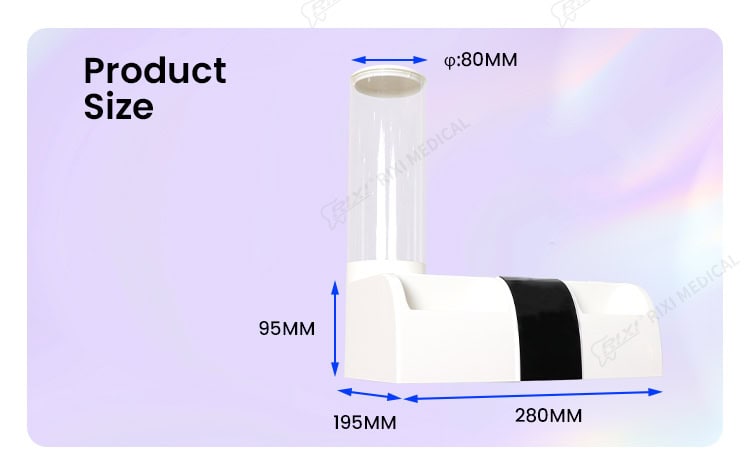
Check the envelope with the chair raised, lowered and reclined, and with each nearby arm moved through its normal range. Include clearance for refilling the cup tube and tissue compartment. If the organizer is planned for a new operatory, place its outline on the chair drawing and compare it with the selected dental chair configuration before the final equipment layout is released.
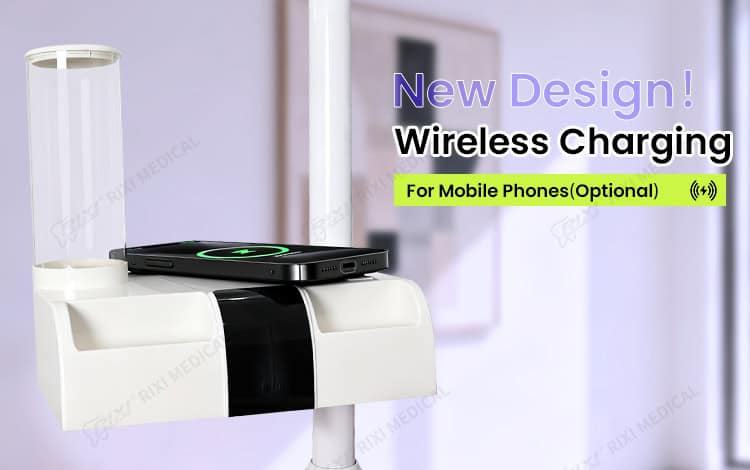
Specify the wireless charging option as an electrical accessory
“Wireless charging” is not a complete purchase specification. Confirm whether the function is included in the quoted version, what input it requires, which power adapter and cable are supplied, and where the cable is expected to run. Ask for the supported charging standard, rated output and device conditions stated by the supplier. Phone cases, device alignment and model compatibility can affect charging, so the receiving test should use an agreed compatible device rather than an assumption that every phone will work.
The cable route should not be pinched by a moving arm, exposed to routine splash areas or placed where it creates a cleaning obstruction. Destination-market electrical and installation requirements vary, so a locally qualified professional should review the proposed connection when required. Do not connect an unverified accessory directly to a chair power circuit simply because a plug appears to fit.
Check the cup, tissue and tray functions separately
Each compartment creates a different fit question. Specify the cup size or cup stack expected by the clinic and ask for the usable holder dimensions. State the tissue pack format and refill direction. For the tray area, define the intended lightweight items and obtain the supplier’s usage guidance; it should not be treated as a substitute for an instrument tray unless the product documentation expressly supports that use.
Look at cleaning access around seams, corners, the charging surface and the mounting collar. Ask which parts can be removed, what cleaning method the supplier recommends, and whether replacement pieces are available separately. Local infection-control procedures and the instructions for the cleaning product still govern the clinic’s process. Chair-side stock should also stay distinct from central storage; the dental storage cabinet planning guide helps buyers separate immediate-use items from room inventory.
Write the purchase order so receiving staff can verify it
A useful purchase description identifies the organizer revision and every selected function. Attach the approved drawing and state the chair models or mounting interfaces covered by the order. List the adapter, clamp, fasteners, cable, power supply and removable components as individual packing-line expectations. If the wireless charging version is optional, make the selected configuration explicit rather than relying on a product name.
Before shipment, request a label or carton reference, packing photographs and a configuration photo that shows the mounting interface. At receiving, inspect the housing for damage, compare the hardware with the packing list, check that removable pieces seat correctly, and verify the supplied electrical labels against the approved documents. Do a controlled fit test on one representative chair before distributing units across multiple rooms.
Keep the approved drawing, supplier instructions, packing evidence and receiving record under the exact item code used for future orders. The RIXI dental equipment directory can help project teams keep product references organized, while the technical support page provides a route for model-specific questions.
Control repeat orders for distributor and OEM projects
For a distributor or private-label program, lock the interface and configuration before discussing surface color, logo placement or packaging. Record approved samples with dated photographs and a revision code. If the supplier changes the bracket, charging module, cable or included hardware, require a fresh compatibility review. A cosmetic match does not protect a repeat order when the installation interface has changed.
RIXI Medical is a dental equipment manufacturer and supplier based in Foshan, China. From a supply-side perspective, the most reliable approval is a short evidence pack: product revision, dimensioned interface, electrical details, included-parts list and representative installed view. That pack gives procurement, installation and receiving teams the same reference.
Frequently asked questions
Will one organizer fit every dental chair?
No. The post or bracket interface, adapter, clearance and cable route can differ by chair model and revision. Confirm compatibility against the actual chair and a current drawing.
Is wireless charging included in every version?
Do not assume it is. The current product media presents charging as an optional configuration. The quotation should identify whether it is included and specify the supplied power components and supported charging conditions.
What should be tested first when the shipment arrives?
Match the hardware and labels to the approved packing list, inspect for damage, then perform a controlled fit and function check on one representative chair before wider installation.
Scope note: This article provides general procurement and receiving guidance, not clinical, electrical or regulatory advice. Confirm exact specifications with the supplier and consult locally qualified professionals where installation rules or facility requirements apply.
For a project-specific drawing, interface check or distributor configuration, send the chair model, mounting photographs and required functions through the RIXI Medical enquiry page.
Need Dental Equipment Pricing or Configuration Details?
Contact RIXI Medical for model comparison, distributor pricing, packaging information, OEM/ODM requirements and after-sales support.
Request Product Information