A dental storage cabinet can have the right number of drawers and still create a poor working arrangement. The problem is usually not the cabinet alone. Buyers approve furniture before deciding which supplies belong near the chair, which items require controlled central storage, and which drawer positions staff can reach without blocking doors or circulation.
This guide helps clinic owners, project buyers and dental-equipment distributors evaluate a dental storage cabinet with drawers as a piece of working equipment rather than as a generic furniture item. It focuses on drawer planning, supplier evidence and receiving inspection. Exact dimensions, construction details, load limits and cleaning instructions are model-specific and should be confirmed in current supplier documents.
Build the storage map before choosing the cabinet
Start with the contents, not the exterior. Create a short inventory of the items the cabinet is expected to hold, then group them by frequency of access, package size, restocking responsibility and any storage conditions defined by the manufacturer or the clinic’s local procedures. This prevents a buyer from approving a drawer count without knowing whether the drawer sizes suit the intended contents.
Separate treatment-room stock from utility-room supplies and technical records. A cabinet placed near compressors or suction equipment should not become an informal substitute for planned service access. The existing dental utility room handover guide explains why equipment clearances and maintenance routes must remain visible even when storage is added nearby.
Turn the drawer layout into a testable specification
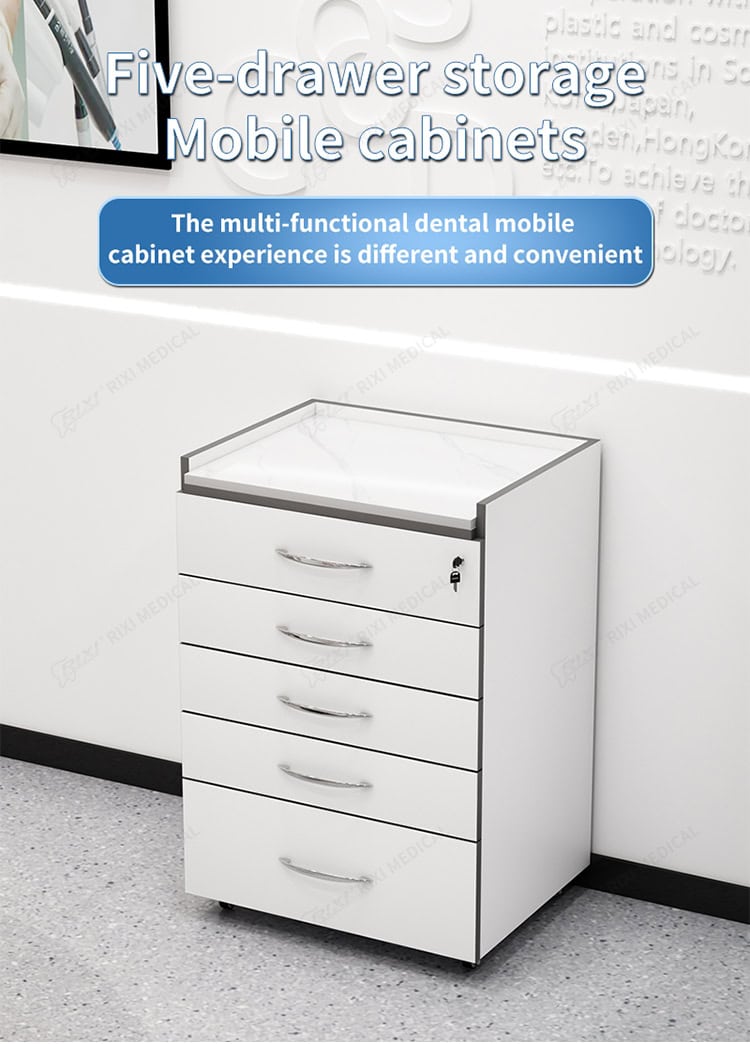
“Multiple drawers” is a useful product description, but it is not enough for a purchase order. Ask the supplier to identify the external dimensions, usable internal dimensions of each drawer type, opening direction, handle arrangement and any removable inserts included in the quoted configuration. If a lock, label holder, divider or liner is required, state whether it is standard, optional or supplied locally.
| Decision area | Buyer question | Evidence to retain |
|---|---|---|
| Drawer assignment | Which supply group belongs in each drawer, and who replenishes it? | Numbered drawer map linked to the approved inventory list |
| Usable space | Do internal dimensions suit the actual packages, trays or records? | Dated drawing or supplier specification for the quoted model |
| Access | Can drawers open without conflicting with doors, stools or moving equipment? | Room plan showing the cabinet footprint and open-drawer zone |
| Identification | How will drawers and replacement parts be identified after delivery? | Model reference, packing list and labelled receiving photographs |
| Cleaning | Which products and methods are permitted on surfaces, handles and inserts? | Current manufacturer care instructions for the supplied finish |
The storage map should use plain names rather than colour alone. For a multi-room project, standardize the drawer numbers and list, then allow a controlled exception where one operatory has different equipment. This gives procurement a repeatable acceptance method without assuming that every treatment room must carry identical stock.
Review access in the real room, not on an empty drawing
Place the cabinet footprint on the latest room plan. Add the full drawer-opening zone, nearby door swings and the path used by staff, mobile equipment and service personnel. A cabinet can fit between two fixed elements while its lowest drawer remains awkward to reach or its upper drawers conflict with another handle.
Ask a qualified local planner or contractor to review wall, floor, support and utility conditions where those matters apply. RIXI Medical can provide supplier-side information for the selected cabinet, but the equipment quotation should not be treated as approval of the building or final installation. Requirements vary by site and jurisdiction.
Also decide how the cabinet will be moved into the room. Record delivery-door dimensions, corridor restrictions, lift access and whether any component is shipped separately. Do not assume the installed footprint is the same as the packed shipping envelope.
Confirm construction and care details without guessing
A photograph may show a clean white cabinet, but it cannot confirm the substrate, surface system, edge treatment, hardware grade or chemical compatibility. Request written confirmation of the current construction and care instructions. If the clinic uses a defined surface-cleaning product, send its name and composition to the responsible supplier or local professional for compatibility review rather than relying on a broad “easy to clean” claim.
For distributors, version control matters. Keep the approved model reference, finish sample where applicable, hardware list and packaging artwork tied to the same quotation revision. If a handle, drawer slide, lock or internal divider changes, update the record before repeat orders are released.
Use receiving inspection to protect the evidence
Receiving inspection should begin before the carton is opened. Photograph the outer package, shipping marks and any visible damage. Match package count and model identification to the packing list. Open the package using the supplier’s instructions and retain protective materials until the condition and contents have been checked.
Inspect external panels, edges, handles and drawer alignment under normal lighting. Open each drawer through its intended travel without forcing it. Confirm that included inserts, keys, fasteners or other accessories match the approved list. Record any issue with a wide view, a close view and the package or model reference; a vague message such as “drawer damaged” is difficult for a supplier to reconcile.
Do not attempt internal repair or adjustment unless the supplier’s documentation assigns that work to an appropriately qualified person. Quarantine a damaged unit or component where necessary, keep the evidence connected to the purchase record, and agree the disposition before discarding packaging.
Keep central, chair-side and mobile storage roles separate
A central cabinet is not the only storage layer in a treatment room. Frequently used, low-volume items may need a defined chair-side location, while equipment that moves between rooms may belong on a cart. Keeping these roles separate reduces the tendency to overfill the main cabinet or place loose items on work surfaces.
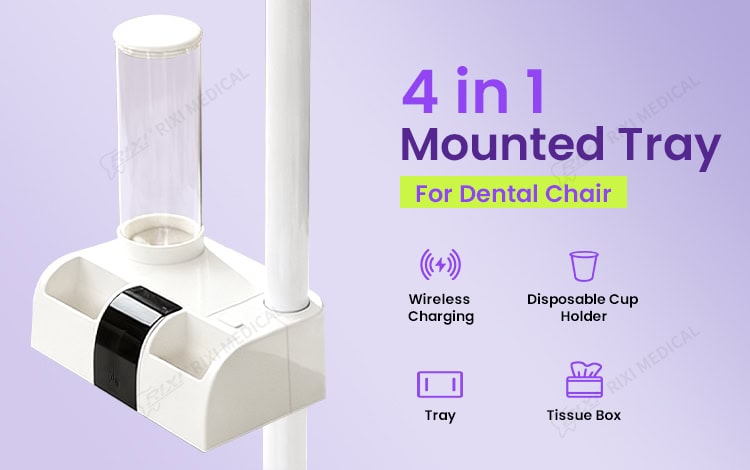
Use the dental accessories category to compare storage and support items, and review a mobile dental cart buying guide when equipment must move between rooms. Buyers can also scan the dental equipment directory and the curated equipment buying guides before freezing a room package.
Documents to request before approval
- Exact product and configuration reference for the quoted cabinet.
- External dimensions and usable drawer dimensions for the selected version.
- Current finish, construction and care information supplied by the manufacturer.
- Packing list, packed dimensions and handling instructions.
- Assembly or installation information, if any work is required on site.
- List of included accessories and orderable replacement parts where available.
- Receiving checklist and the supplier route for reporting discrepancies.
Scope note: This is general procurement and receiving guidance, not an infection-control, building or installation specification. Confirm the exact cabinet details with the supplier and use locally qualified professionals for site, cleaning and regulatory decisions.
RIXI Medical is a dental equipment manufacturer and supplier based in Foshan, China. For a clinic project or distributor quotation, request the current cabinet dimensions, drawer information, packing list and product images for the exact configuration under review.
Frequently asked questions
How many drawers should a dental storage cabinet have?
There is no universal number. Build an inventory and access map first, then compare the usable drawer dimensions and positions with the intended contents. Drawer count alone does not show capacity or workflow fit.
What should be checked before a cabinet is shipped?
Confirm the model, finish, dimensions, drawer arrangement, included accessories, packaging method and required documents. Resolve site-access questions before the packed unit is released.
Should every treatment room use the same drawer map?
Standardization can simplify replenishment and receiving, but rooms with different equipment may need controlled exceptions. Record the common layout and document each approved variation.
Can product photos confirm cabinet dimensions or materials?
No. Photos help identify the product and visible arrangement, but dimensions, materials, finishes, cleaning compatibility and included hardware require current written supplier information.
Need Dental Equipment Pricing or Configuration Details?
Contact RIXI Medical for model comparison, distributor pricing, packaging information, OEM/ODM requirements and after-sales support.
Request Product Information