A replacement dental chair headrest can look correct in a photograph and still fail to fit the chair in your clinic. The cushion shape is only one part of the order. The mounting interface, support stem, adjustment mechanism and production revision also need to match. Before requesting a price, identify exactly which part needs replacing and which chair will receive it.
This guide is for clinic purchasing teams and distributors preparing a headrest replacement enquiry. It covers identification, supplier evidence and acceptance documentation. It does not provide repair procedures or patient-positioning advice. Installation and functional checks should follow the chair manufacturer’s instructions and be completed by appropriately qualified personnel.
Separate cushion replacement from assembly replacement
Begin by describing the problem without diagnosing it. A damaged upholstered pad, missing trim and a headrest that will not hold its position are different enquiries. Ask the service technician to identify whether the request concerns the cushion, its mounting plate, the adjustment mechanism or the complete assembly. Ordering a cushion will not resolve a mechanical fault elsewhere in the assembly.
A quotation should name the supplied item explicitly. “Headrest replacement” is too broad when one supplier means a padded component and another means the support stem, mechanism and cushion together. Request an itemized description of included hardware and any components that must be reused. Do not assume that screws, brackets or adapters shown in a photograph are included.
Create an identification pack before asking for a quote
Collect the manufacturer, exact model designation and serial number from the installed chair. Include a photograph of the identification label rather than transcribing only the model name. If the chair has already received replacement upholstery or a different headrest assembly, tell the supplier. Its current configuration may differ from the original order record.
Add photographs showing the complete chair, the headrest from the front and rear, the adjustment control and the accessible connection to the backrest. Have a technician provide dimensions or drawings where required; do not dismantle equipment just to obtain sales photographs. Label each photograph clearly so the supplier can distinguish the original part from a proposed substitute.
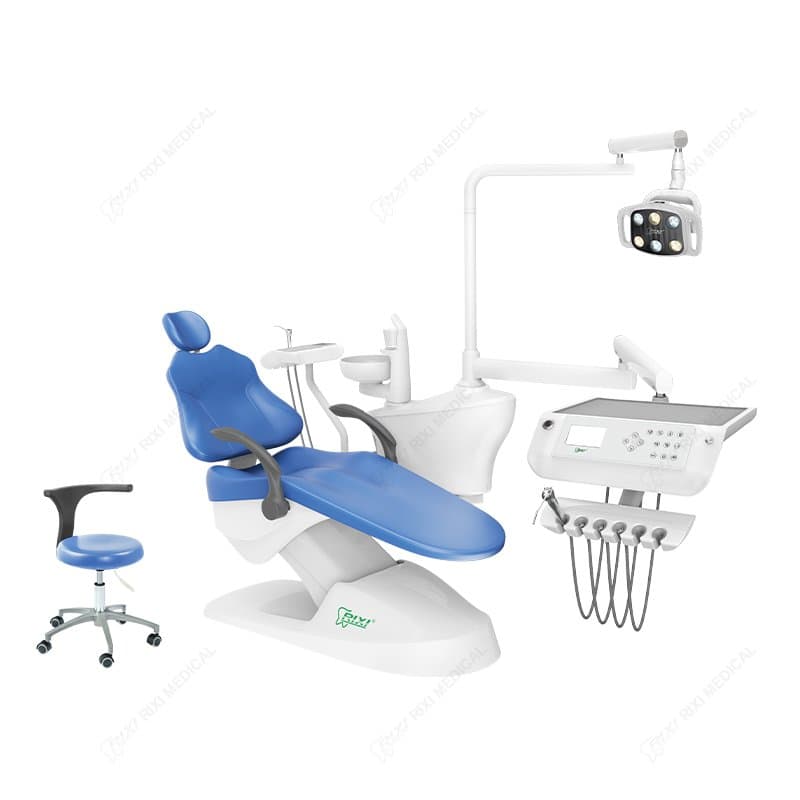
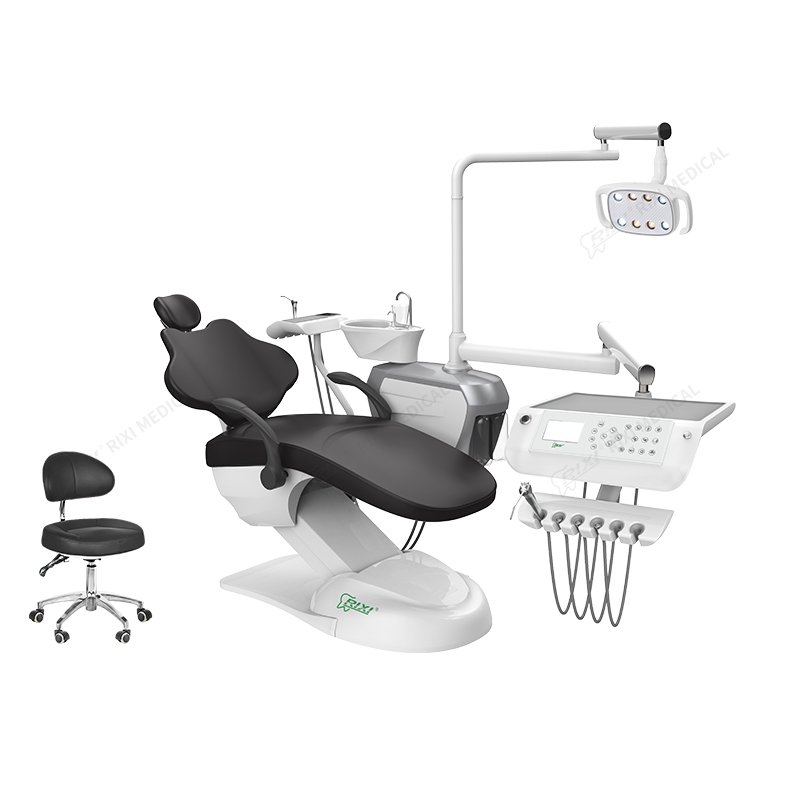
For a new equipment order, compare the identification documents supplied with the RIXI R1 chair and R3 chair configuration. Ask for the headrest specification associated with the exact quoted model, rather than applying information from another model’s brochure.
Ask the supplier to confirm the interface in writing
Compatibility should be a documented supplier response, not an inference from matching upholstery colors. Send the identification pack and request confirmation of the applicable part number, chair model and production revision. If a serial-number range matters, have it recorded in the quotation. An uncertainty should remain open until the manufacturer or authorized service provider resolves it.
| Check | Evidence to request |
|---|---|
| Chair identity | Model and serial-number applicability for the proposed part |
| Mounting interface | Drawing or written confirmation of the stem, mounting plate and fastening arrangement |
| Adjustment controls | Identification of the mechanism supplied and its corresponding instructions |
| Upholstery | Material, finish, color reference and approved care documentation |
| Package contents | Part number, included hardware, excluded items and installation documentation |
A part described as “universal” still requires these checks. Do not approve drilling, machining, makeshift adapters or substituted fasteners on the basis of a sales conversation. Ask the original manufacturer whether a proposed modification is permitted and what documentation applies. If no supported replacement exists, discuss the options with the service provider before placing an order.
Evaluate the adjustment mechanism without making clinical claims
Headrest descriptions may refer to articulating joints, a knob, a lever or a sliding support. Those labels are not sufficient to establish interchangeability. Ask which movements the supplied assembly permits, how its position is secured and whether the replacement changes the controls staff already know. Obtain the relevant operating instructions as part of the purchase.
Have the responsible technician assess the installed mechanism and agree on the acceptance checks before shipment. Keep clinical positioning decisions with the dental team. A purchasing specification should describe the required equipment and documentation; it should not promise that a replacement will prevent injury or improve treatment outcomes.
Match upholstery and care information to the replacement
If only the cushion is being ordered, request its material specification and care instructions. A similar-looking finish may require different cleaning products. Check the proposed cushion against the clinic’s approved cleaning process before approving a batch. The supplier should identify any restrictions in writing rather than describing the material only as easy to clean.
Use the separate cleaning-product compatibility guide to organize these questions. For a cosmetic match, request a physical sample or a supplier color reference when available. Screen images are useful for initial selection but should not be the sole evidence for matching an existing chair.
Keep approval, receiving and installation records together
Approve one specification containing the part number, quantity, chair applicability, finish and package contents. Have the supplier identify any proposed substitution before dispatch. Distributors ordering parts for several clinics should keep the destination chair details against each order line rather than pooling similar-looking assemblies under one generic stock description.
On receipt, compare labels and contents with the approved order. Photograph damage or discrepancies and keep the packaging until the issue is resolved. Arrange installation according to the applicable instructions, then record the technician’s checks and handover. Do not put a chair with an unresolved headrest fault back into clinical use merely because the replacement has arrived.
For broader equipment selection, review the R5 dental chair or browse the dental chair range. Treat headrest parts as model-specific enquiries; a product listing is not a replacement-parts approval.
For repeat purchases, keep an approved sample record and ask the supplier to report changes to materials, drawings or part numbers. A previously successful order is useful evidence, but it does not establish that a later revision is identical. Reconfirm applicability whenever either the chair configuration or replacement specification changes.
Questions buyers often ask
Can I order using only a photograph?
A photograph can start the enquiry, but it should be supported by chair identification and written supplier confirmation of the proposed part. Similar appearance is not proof of fit.
Does replacing the cushion fix a loose headrest?
Do not assume so. Have a qualified technician identify the affected component before ordering. The cushion and adjustment assembly are separate purchasing decisions.
Should distributors stock one headrest for every chair?
Only where the manufacturer documents that compatibility. Otherwise, organize stock by approved part number and model applicability, keeping revision information with the record.
RIXI Medical is a dental equipment manufacturer and supplier in Foshan, China. To discuss an equipment or component enquiry, send the model details and identification photographs and request written specifications before ordering.
Need Dental Equipment Pricing or Configuration Details?
Contact RIXI Medical for model comparison, distributor pricing, packaging information, OEM/ODM requirements and after-sales support.
Request Product Information