While a general practice requires a versatile “jack-of-all-trades” dental chair, specialty practices have unique workflows and patient needs. Using a standard chair in a specialized environment can lead to inefficiency and compromise both practitioner ergonomics and patient comfort. Choosing dental chairs for specialists is about finding a tool perfectly honed for a specific job.
As a manufacturer, we recognize these distinct needs. Here’s a look at what different specialists should look for in their core piece of equipment.
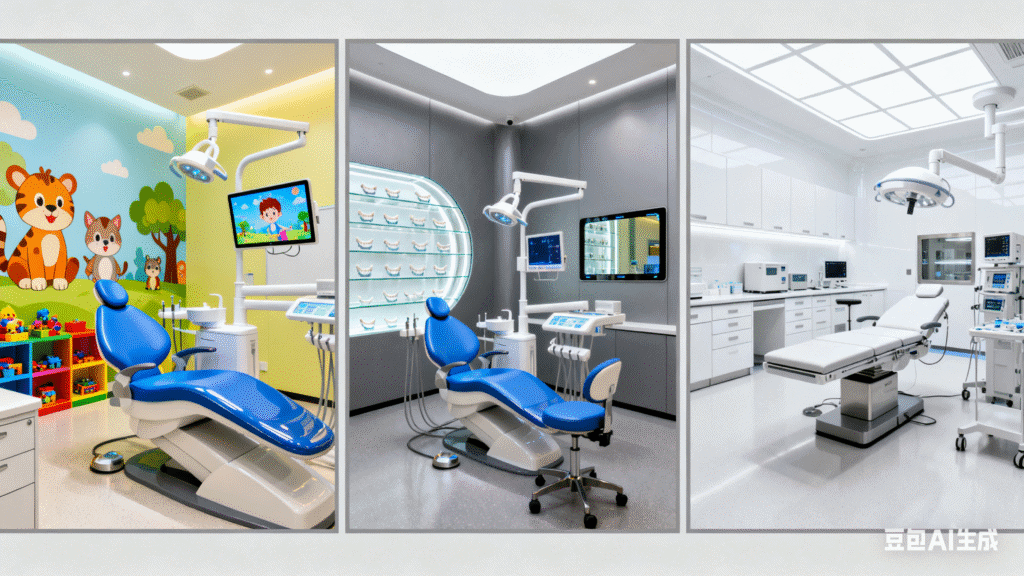
For the Pediatric Dentist: Building Trust and Comfort
The goal is to create a non-intimidating, safe, and fun environment.
- Smaller Scale: A chair with a smaller profile is less overwhelming for a child.
- Friendly Aesthetics: The ability to choose bright, cheerful upholstery colors can make a huge difference in a child’s perception of the clinic.
- Quick & Quiet Movement: Smooth, fast adjustments minimize the time a restless child has to wait.
- Durable Materials: Upholstery must be tough enough to withstand scuffs, spills, and rigorous cleaning protocols.
For the Orthodontist: Efficiency in Motion
Orthodontic practices are typically high-volume, with rapid patient turnover. The chair must facilitate this pace.
- Open Design: A chair with a slim profile and no bulky attachments allows for easy patient entry and exit.
- Simplified Functionality: Orthodontists often need a simpler chair—primarily for positioning—without a complex delivery system. This is often an “open bay” concept.
- Upright Positioning: A strong, stable upright position is essential for consultations, photos, and impressions.
- Easy Cleaning: Smooth surfaces are crucial for quick wipe-downs between patients.
For the Oral Surgeon & Implantologist: Precision and Power
The surgical suite demands stability, precision, and complete control.
- Robust Stability: The chair must be exceptionally stable with a heavy-duty base to prevent any movement during delicate procedures.
- Programmable Surgical Positions: Highly precise, programmable controls, often foot-activated to maintain sterility, are a must.
- Superior Access: A thin backrest and articulating headrest are critical for providing clear access and sightlines to the entire oral cavity.
- Compatibility: The chair must easily integrate with surgical motors, irrigation systems, and specialized lighting.
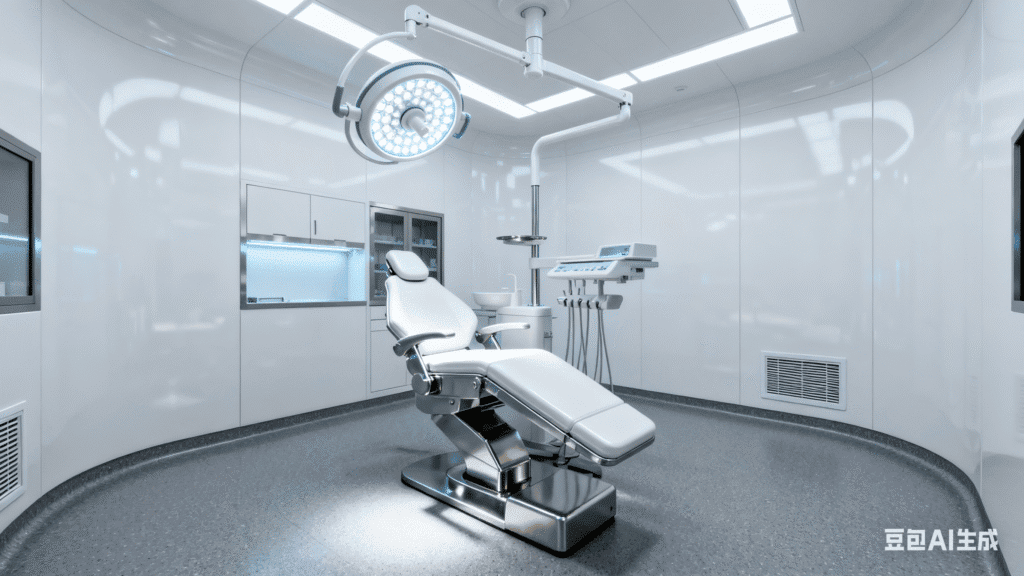
The Right Partner for Your Specialty
Choosing the right dental chair is about understanding the nuances of your daily work. The ideal chair feels like a natural extension of your skills, enhancing your efficiency and improving outcomes. Partnering with a manufacturer who understands these differences is key.
Tell us about your practice. We can help you configure the perfect chair for your specialty.
This section provides essential information for dental professionals evaluating their equipment investments and operational strategies. Understanding these factors helps clinics make informed purchasing decisions that support long-term practice growth and patient satisfaction.
The Hidden Cost of Poor Ergonomics
Dental professionals suffer from musculoskeletal disorders at rates 3x higher than the general population. The average dentist retires 5 years early due to back, neck, and wrist problems directly linked to poor workstation ergonomics. Investing in ergonomic dental chairs is not a luxury—it is a practice survival strategy.
This section provides essential information for dental professionals evaluating their equipment investments and operational strategies. Understanding these factors helps clinics make informed purchasing decisions that support long-term practice growth and patient satisfaction.
How Rixi Chairs Address Ergonomic Challenges
Rixi R3 and R5 chairs feature multi-axis articulation that adapts to any practitioner body type. The synchronized backrest and seat movement keeps the spine in neutral alignment throughout procedures. Independent armrest height adjustment accommodates practitioners from 5’2″ to 6’4″ without compromising patient access.
This section provides essential information for dental professionals evaluating their equipment investments and operational strategies. Understanding these factors helps clinics make informed purchasing decisions that support long-term practice growth and patient satisfaction.
Patient Ergonomics: The Overlooked Factor
Patient comfort directly impacts procedure success rates. Anxious patients with stiff chairs tense their muscles, making injections harder and procedures longer. Rixi chairs feature memory foam cushioning with thermal regulation, reducing patient anxiety scores by an average of 2.3 points on the VAS scale.
This section provides essential information for dental professionals evaluating their equipment investments and operational strategies. Understanding these factors helps clinics make informed purchasing decisions that support long-term practice growth and patient satisfaction.
Related Rixi Medical Products
For related equipment and supplies, explore our curated selection: Rixi R5 Electric Dental Chair, Rixi R3 Electric Dental Chair, Rixi R1 Electric Dental Chair and our complete dental chairs collection.
This section provides essential information for dental professionals evaluating their equipment investments and operational strategies. Understanding these factors helps clinics make informed purchasing decisions that support long-term practice growth and patient satisfaction.
Industry Standards and Regulations
Dental equipment standards are governed by international bodies including Who and Fda. Always verify that your equipment meets local regulatory requirements before purchase. Rixi Medical products carry all required certifications for each target market.
Need Dental Equipment Pricing or Configuration Details?
Contact RIXI Medical for model comparison, distributor pricing, packaging information, OEM/ODM requirements and after-sales support.
Request Product Information