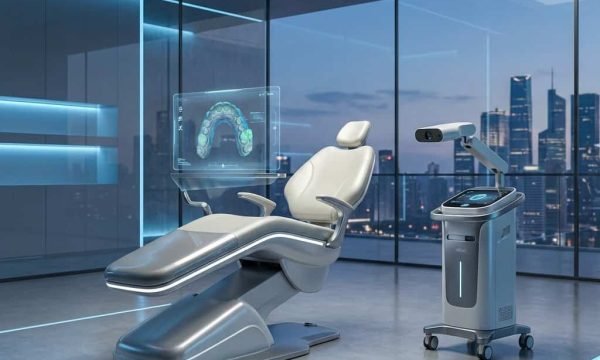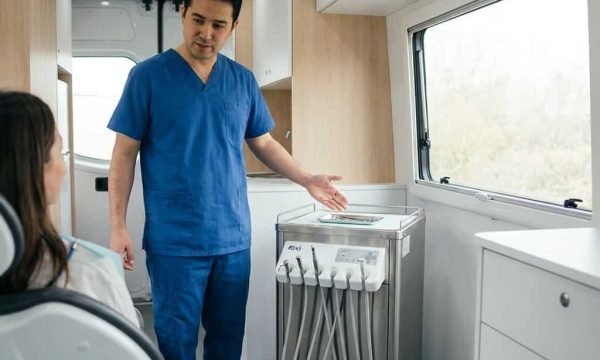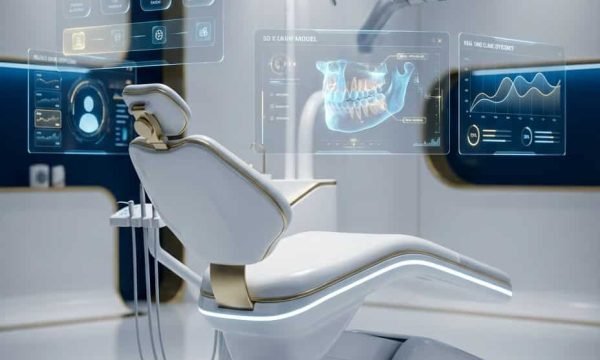
In the fast-paced world of modern dentistry, this dental practice efficiency case study demonstrates how efficiency isn’t just a goal—it’s the backbone of a sustainable and profitable practice. For high-volume clinics, the transition from traditional, analog methods to a fully integrated digital ecosystem is no longer a luxury but a necessity. This case study explores how a leading multi-operatory clinic redefined its clinical workflow by implementing the Rixi R5 high-end dental chair in synergy with the RX-IS-1 3D Intraoral Scanner.
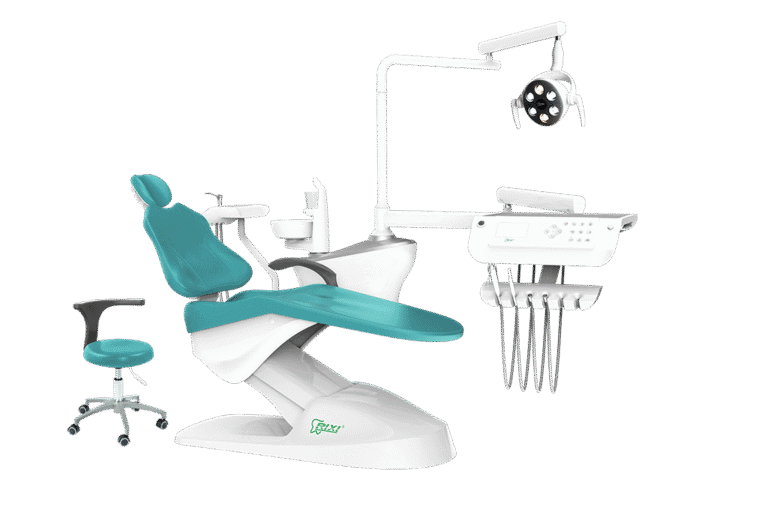
The Challenge: Overcoming the “Analog Bottleneck”
Our subject clinic, a busy urban practice seeing over 40 patients daily, faced a common hurdle: the “analog bottleneck.” Traditional alginate and PVS impressions were time-consuming, prone to material distortion, and often required uncomfortable retakes for patients. These delays rippled through the schedule, leading to increased wait times and reduced chair turnover. The clinic needed a solution that could handle high patient volume without compromising on clinical precision or patient comfort.
The Transition: Embracing the Rixi Digital Ecosystem
The clinic’s leadership decided to phase out analog impressions in favor of the Rixi digital ecosystem. The centerpieces of this transformation were the Rixi R5 dental unit and the RX-IS-1 intraoral scanner. Unlike standalone devices, these tools were designed to work in tandem, creating a seamless data flow from the patient’s mouth to the chairside monitor and the lab.
Breaking the Precision Barrier: The RX-IS-1 3D Intraoral Scanner
The first step in the new workflow was the introduction of the RX-IS-1 3D Intraoral Scanner. With an industry-leading 10µm accuracy, the scanner eliminated the guesswork associated with physical molds.
“The speed and precision of the RX-IS-1 changed everything,” noted the clinic’s lead prosthodontist. “We went from 15 minutes of impression-taking to a 3-minute full-arch scan. The high-speed image processing ensures that we capture every detail in real-time, reducing the need for patient follow-ups due to ill-fitting restorations.”
Dental Practice Efficiency Case Study: Quantifying the Efficiency Gains
The impact of the Rixi R5 and RX-IS-1 integration was immediate and measurable. By streamlining the diagnostic and preparation phases, the clinic achieved a 20% reduction in total chair-time per patient. This dental practice efficiency case study highlights the importance of integrated digital workflows.
Synergy in Action: The Rixi R5 Advantage
The Rixi R5 high-end chair acted as the command center for this new efficiency. Beyond its ergonomic design that reduces practitioner fatigue, the R5 features a fully integrated HD monitor. This integration allows the dentist to instantly project the RX-IS-1 scans directly in front of the patient.
Enhancing Patient Trust through Visualization
High-volume practices often struggle with treatment acceptance rates. By using the R5’s integrated monitor to show patients their 3D oral scans in high definition, the clinic saw a significant boost in patient trust. Patients could see their dental issues clearly, making the explanation of complex treatment plans faster and more effective. This “see-to-believe” approach not only saved consultation time but also increased the conversion rate for high-value procedures like crowns and implants.
Conclusion: The ROI of a Smart Clinic
The synergy between the Rixi R5 and the RX-IS-1 has transformed this high-volume practice into a model of modern dental efficiency. By saving 20% more chair-time, the clinic has been able to accommodate an additional 2-3 patients per operatory each day, significantly improving their bottom line. For practices looking to stay competitive in 2026, the Rixi digital workflow offers the perfect balance of precision, speed, and patient-centric care. Ultimately, every dental practice efficiency case study points towards the same conclusion: integration is key.