
A dental autoclave can be described correctly in a catalogue and still be ordered in the wrong electrical version. A distributor may approve a sample for one destination, then reuse its model description for another market without checking the supply variant. The resulting mismatch is a configuration problem that should be caught before production or dispatch.
This guide addresses order verification: how a buyer ties the required supply, machine identity and supporting documents to one accepted configuration. It does not provide electrical installation or conversion instructions. Qualified local professionals must assess the proposed equipment against the actual site and applicable requirements.
Record the destination and site facts separately
“For the US market” is useful commercial context, but it is not an electrical specification. Ask the receiving clinic or project team to provide the supply information confirmed by its qualified electrician. Record that information separately from the supplier’s offered equipment rating so a reviewer can compare them.
Do not infer compatibility from a plug photograph, the chamber capacity or a model sold elsewhere. A matching-looking connector does not establish compatible voltage, frequency, current demand or protective arrangements. An adapter is not evidence that a machine is suitable for the available supply.
Before shortlisting the dental autoclave range, identify who will close electrical questions. Procurement can collect records and coordinate answers; it should not replace the electrician or manufacturer when compatibility remains unresolved.
Make the electrical variant part of the order identity
Use one configuration reference across the quotation, purchase order, production confirmation and dispatch record. Ask the supplier how it identifies electrical variants within its model system. Where the commercial name stays the same, a separate version code or written configuration schedule may be needed.
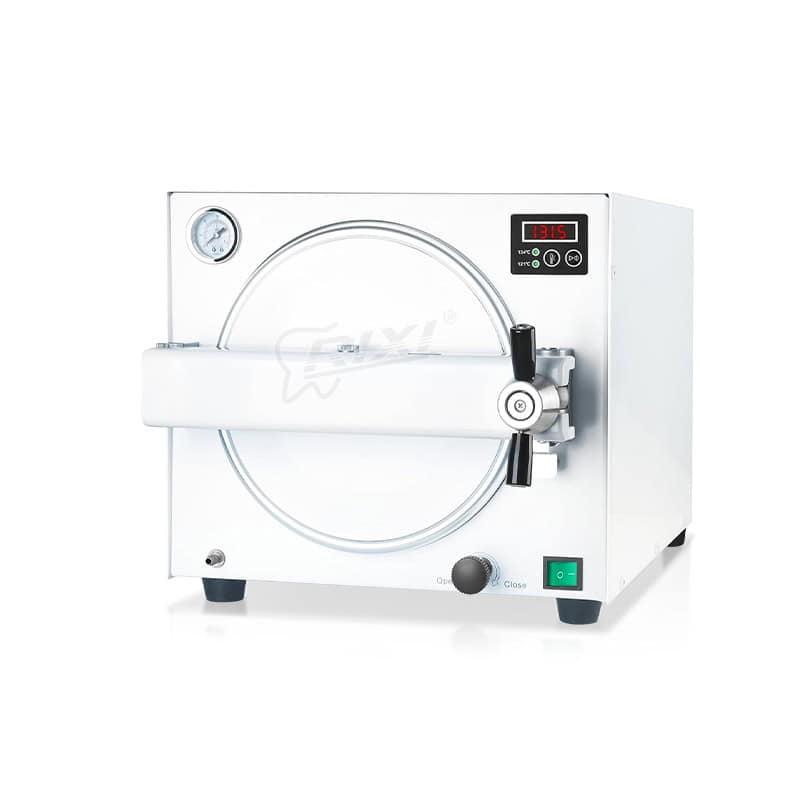
For a proposed front-door autoclave, request current rating and connection information for the quoted version. If a supplier changes the configuration during negotiation, ask for the complete revised schedule. Avoid accepting an isolated email sentence that conflicts with the purchase order.
The accepted order should identify supplied power components where applicable and distinguish them from items sourced at the destination. Keep any locally required review or installation work as a named responsibility rather than an assumed part of the equipment package.
Use three checkpoints before shipment
| Checkpoint | Record to compare | Buyer decision |
|---|---|---|
| Quotation review | Site information and proposed model rating | Refer compatibility to the responsible technical reviewer |
| Order approval | Final model, electrical version and document references | Resolve discrepancies before authorizing the configuration |
| Dispatch release | Ordered version, accessible identification and packing record | Confirm the shipment matches the accepted order |
A photograph should show the actual unit or agreed production evidence, with enough context to identify what is being inspected. Request a readable image of the supplied rating information when available. A generic catalogue graphic cannot confirm which version has been packed.
Where the supplier cannot yet identify the actual shipment, keep the dispatch check open. Record the missing evidence and responsible contact. Do not convert an unresolved field into “confirmed” simply because the order is ready to leave the factory.
Align manuals, markings and accessories
Check that the manual applies to the offered model and electrical version. A manual covering several configurations should distinguish them clearly enough for the responsible installer to select the applicable information. Translation should preserve technical meaning, symbols and model references.
Ask the supplier to explain any discrepancy between a product page, quotation, nameplate or manual. Do not choose whichever value seems convenient. For a tabletop model with LED display, the current configuration record should take precedence over assumptions drawn from another tabletop machine’s appearance.
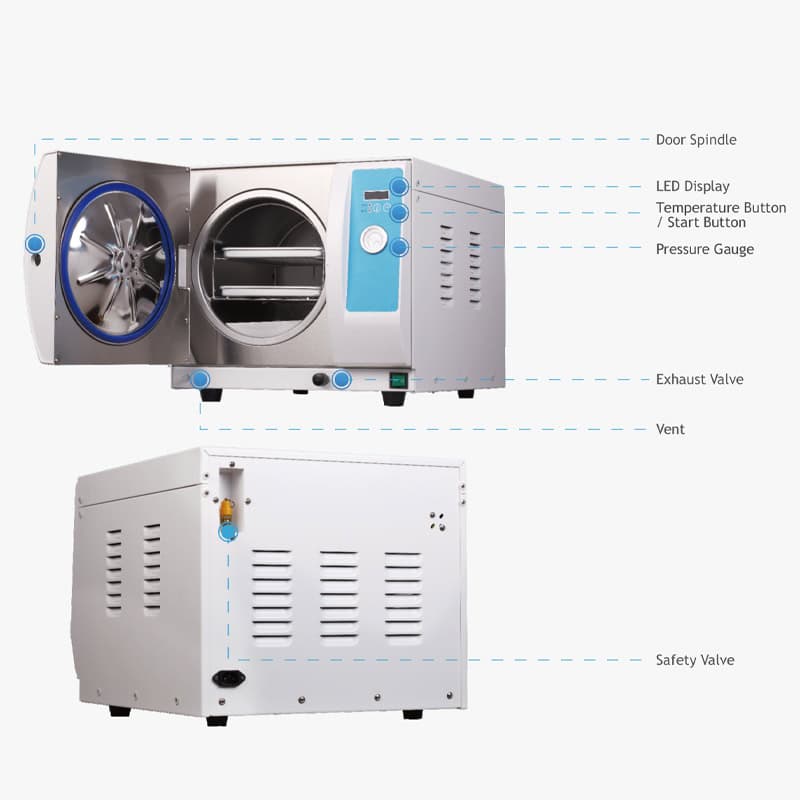
Review the accessory list alongside the electrical records. Clarify what is supplied and what the installer must obtain locally. Any proposal to replace a power component or alter the connection arrangement requires manufacturer and qualified local review; it should not be treated as a routine purchasing substitution.
Keep substitutions under written change control
If the ordered version becomes unavailable, pause approval of the substitute until its differences are documented. Compare the complete configuration and manuals again. A supplier’s statement that two machines are “equivalent” should lead to a specific comparison, not automatic acceptance.
Retain the original order reference, revised specification, reviewer decision and final accepted version. This record helps receiving staff recognize an intentional change and gives the support team a reliable starting point later. Avoid overwriting the original files so the reason for the change remains clear.
Separate receipt from permission to operate
On arrival, the receiving team can compare model identity and supplied items with the approved record. That administrative check does not approve electrical installation or clinical use. A discrepancy, damaged power component or unreadable identification should be referred to the supplier and qualified personnel before connection.
Use the separate water and drainage site-interface guide for broader utility coordination. Electrical version verification belongs upstream in the order record; the full installation review still needs the exact manufacturer’s instructions and site assessment.
RIXI Medical, a dental equipment manufacturer and supplier in Foshan, China, can clarify the offered configuration and available documentation. Keep the destination, model and order reference together when requesting technical support documents.
Buyer questions
Does the destination country identify the correct version?
No. It provides context, while the actual site supply and the exact equipment requirements still need qualified review.
Can a plug adapter resolve a mismatch?
Do not assume so. Connector appearance does not establish electrical compatibility. Refer any mismatch or proposed alteration to the manufacturer and qualified local professionals.
What should be retained with the order?
Keep the accepted configuration, relevant manual references, supplier confirmations, reviewer decisions and dispatch identity evidence, with revisions clearly distinguished.
Scope: General order-control guidance only; no electrical installation, wiring or conversion instructions are provided.
Request configuration confirmation from RIXI Medical with your model, destination and site information approved by the responsible technical reviewer.
Need Dental Equipment Pricing or Configuration Details?
Contact RIXI Medical for model comparison, distributor pricing, packaging information, OEM/ODM requirements and after-sales support.
Request Product Information

